Hypertensive crisis: causes, symptoms, first aid, treatment
To prevent a hypertensive crisis, you need to know its symptoms and manifestations, and effective treatment and timely first aid provided to prevent the development of possible complications.
Content
- What is a hypertensive crisis
- Causes of hypertensive crisis
- Symptoms of a hypertensive crisis
- Diagnostics of the hypertensive crisis
- How to provide first aid to a patient with a crisis?
- Hypertensive crisis treatment
- Complications of a hypertensive crisis
- Prevention of hypertensive crisis
What is a hypertensive crisis
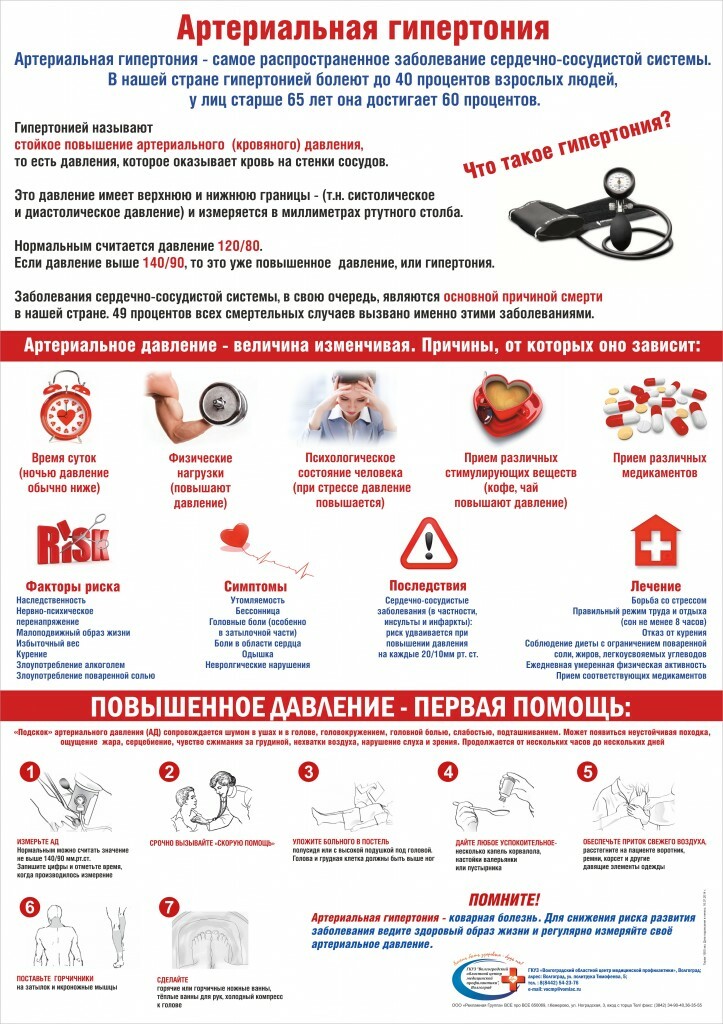
Hypertensive crisis - in simple words, this is a condition caused by a strong increase in blood pressure up to 180/110 mm Hg. Art. and higher.
An attack is life-threatening and often fatal. In addition, this hypertensive crisis leads to serious changes in the internal organs and body systems. It provokes disturbances in the work of the cardiovascular system, and also affects the kidneys and the human brain.
Important! An attack of hypertension causes a simultaneous increase in diastolic and systolic arterial pressure, which leads to impaired blood flow in target organs (heart, brain, kidneys, blood vessels, retina).
Unlike persistent hypertension, in addition to complex treatment, a hypertensive crisis requires immediate medical attention. After lowering the pressure, the patient expects a long and difficult treatment to prevent relapse.
Estimated, from 1% to 2% in patients with chronic hypertension, at some point there will be a hypertensive crisis.
Causes of hypertensive crisis

Both physiological and psychological factors can serve as a reason for a hypertensive crisis.
Stress, overwork, bad habits and even changes in climatic conditions can cause the development of hypertension.
Hypertension and its inherent crises can provoke diseases of any of the body systems, regardless of whether the increase in blood pressure is a symptom of this ailment.
Most often, a hypertensive crisis occurs due to the following pathologies:
- kidney disease - pyelonephritis, glomerulonephritis;
- arteriosclerotic lesion of the aorta;
- damage to the renal arteries;
- polyarthritis nodosa;
- systemic lupus;
- diabetes;
- hormonal disorders in women;
- nephropathy in pregnant women;
- nephroptosis;
- tumor processes or hyperplasia adrenal glands;
- dysfunctional brain damage;
- Penfield syndrome;
- Itsenko-Cushing's disease;
- Connes syndrome (aldosteroma);
- Riley-Day syndrome;
- acute alcoholic intoxication followed by alcohol-dependent hypertension;
- ischemic stroke.
The most common occurrence is damage to the kidneys and their vessels, so there are usually no signs of a disorder of the cardiovascular system before an attack. In this case, the crisis does not develop against the background of an increase in pressure, but as a result of cerebral edema. When providing first aid and carrying out medical measures to eliminate the crisis, this fact must be taken into account so that the crisis does not end with complications or death.
Another reason for the development of a hypertensive crisis is pheochromocytoma (hormonally active tumor).
The place of its localization may be in the adrenal medulla or, less often, in the lungs or bladder, which complicates correct diagnosis. At the same time, hypertension manifests itself in attacks or proceeds in a permanent form.
For women, a risk factor is paroxysmal diencephalic hypertension or Page syndrome, accompanied by tachycardia and hyperhidrosis.
Read also:Ebstein's anomaly
The peculiarity of the development of a hypertensive crisis is that it can occur suddenly and blood pressure remains within normal limits. It is possible to understand that a dangerous attack is approaching not only by the symptoms of high blood pressure, but also by other signs.
Symptoms of a hypertensive crisis

The signs of a hypertensive crisis may differ depending on the form of the attack or the reasons for its occurrence.
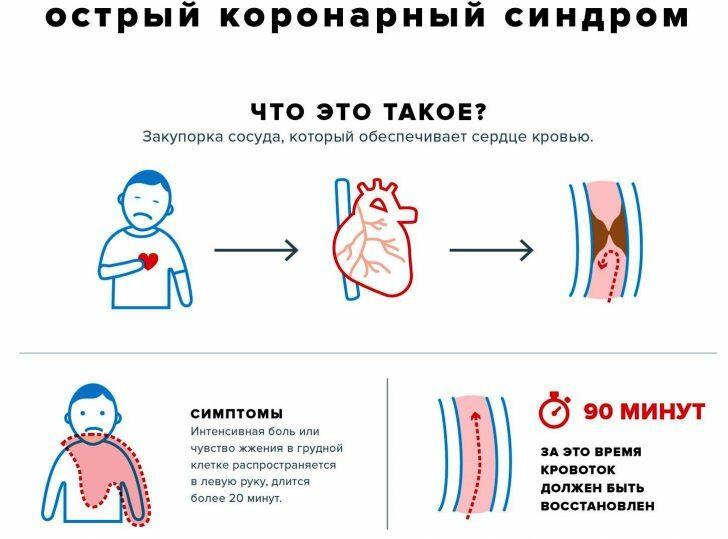
In addition to the characteristic symptoms of a crisis, such as surges in blood pressure, the development of tachycardia, the onset of pain in areas of the chest, mainly on the left, the crisis may be accompanied by other signs, for example, fluid retention, edema lungs.
With less intensity, milder forms of an attack occur. The main symptoms that arise include:
- sudden sharp pain in the region of the heart;
- headache;
- nausea;
- vomit;
- bowel disorders;
- dizziness;
- clouding of the mind;
- disorientation in space;
- visual impairment;
- confusion of consciousness;
- severe nausea with vomiting;
- feelings of fear and anxiety;
- excessive excitability (often observed panic attacks;
- dyspnea;
- convulsions;
- pallor of the skin;
- bleeding from the sinuses.
An increase in symptoms may indicate an eukinetic type of hypertensive attack. With this form of crisis, manifestations are dominated by signs from the country of the heart - tachycardia, bradycardia, coronary or left ventricular failure.
Such manifestations are dangerous not only with serious complications, but also life threatening. Without timely medical care, complications develop, irreversible changes in the muscles and blood vessels of the heart.
Depending on the general condition of the person and the presence of concomitant diseases, the symptoms of a hypertensive crisis may differ. In rare cases, an attack can go away without symptoms, and the malaise can be attributed to ordinary fatigue. Such a calm attack is typical for men, especially young guys.
Important! With a complicated attack, signs of concomitant disorders are added to all symptoms. Chest pain occurs with ischemia or myocardial infarctionand severe back pain signals a ruptured aorta. With pulmonary edema or heart failure difficulty breathing or shortness of breath. Seizures and blurred consciousness are the first signs of encephalopathy or stroke.
Diagnostics of the hypertensive crisis

Hypertensive crisis is an urgent condition, there is no time for diagnosis, therefore, hypertensive manifestation is determined by symptoms.
Since a hypertensive crisis is directly related to fluctuations in blood pressure, arterial pressure (BP) is measured to clarify the diagnosis using a medical tonometer (Sphygmomanometer).
Read also:Presses in the middle of the sternum, it is hard to breathe like a lump in the throat, reasons
The sphygmomanometer is an easy-to-use device, and electronic models allow you to measure pressure without special skills.
For a timely and accurate diagnosis, the pressure must be measured on both hands, tightly tightening the cuffs. But it is also important to conduct research within the framework of dynamics in order to observe fluctuations.
Important! If the readings of the device exceed 180/110 mm Hg. Art. or one of them has been increased for a long time, you cannot hesitate, you need to call an ambulance.
This condition requires immediate hospitalization, full examination and therapeutic measures.
How to provide first aid to a patient with a crisis?
Before contacting a doctor or the arrival of an ambulance, a person needs to be helped and to prevent the development of possible complications. First aid to the patient includes the following actions:
1. The person must be placed on a flat surface in a reclining position. The head should be higher than the lower limbs;
2. It is necessary to open windows and doors into the patient's room so that more air flows in.
3. In case of previously diagnosed hypertension, take the drug in the same dose, regardless of the time of the previous dose.
4. It is possible to reduce pressure only gradually, without exceeding the dosage of antihypertensive drugs. For these purposes, suitable Captopril or Raunatin. They do not cause side effects with a single dose and quickly bring blood pressure back to normal.
It is also allowed to take sedatives to normalize the patient's mental state.
5. If, after 5-10 minutes, the indicators remain the same or increase, it is allowed to take the drugs again in the same dosage.
Important! If the patient has a history of a previous stroke or heart attack self-medication can lead to dangerous complications, so hospitalization cannot be delayed.
Hypertensive crisis treatment
If the patient is at risk of cardiovascular diseases, he is immediately transferred to intensive care unit to normalize blood pressure and prevent organ failure.

Treatment is carried out with medication, by means of intravenous administration for the fastest absorption.
To fully stabilize blood pressure, you may need 2-3 days, all this time, the patient must be under the supervision of a doctor.
At the same time, an examination of organs that could have suffered during an attack is carried out and supportive therapy is prescribed.
They also carry out procedures to prevent blood clots, and thin the blood by intradroplet administration.
In the absence of organ failure, treatment is carried out orally in a hospital. The dosage is determined by the doctor depending on the blood pressure indicators and the general condition of the patient.
Read also:Arterial hypotension: how to quickly raise blood pressure at home

Measurement of blood pressure is carried out every 10-12 hours, increasing the interval as the indicators decrease. It is impossible to sharply reduce them because of the danger of developing collapse of the lungs and ischemia of the heart. In addition, sudden surges can provoke vasospasm and damage heart myocardium.
It is recommended to refrain from infusion therapy due to the high risk of stroke and renal failure. Intensive therapy for mild hypertensive crisis can cause damage to the vessels of the brain and retinal detachment, provoking blindness.
As a rule, surgical intervention for hypertensive crisis is not performed if there are no direct indications and concomitant cardiac pathologies. But even in this case, before the operation, it is necessary to return the pressure to normal.
Complications of a hypertensive crisis

A medical emergency caused by an excessive increase in blood pressure almost always ends in unpleasant health consequences
Both men and women suffer from high blood pressure against a background of hypertension.
On the part of the nervous system, coma is observed, possibly a cerebral hemorrhage.
With left ventricular failure of the heart, pulmonary edema or pulmonary aneurysm may develop.
In severe cases, complications of a crisis may include:
- coma;
- rapid pulmonary edema;
- deep vein thrombosis;
- pulmonary embolism;
- acute renal failure;
- fluid retention;
- azotemia.
For pregnant women, an attack is dangerous by the development of eclampsia and pathologies in the fetus. For those who are just planning a child, a hypertensive crisis can become a serious obstacle.
The danger of a hypertensive crisis and all its seriousness lies in the fact that with the gradual occurrence crisis, it is similar in symptomatology to banal overwork and does not give the opportunity to provide the necessary help.
Particular attention should be paid to people who are at risk due to the presence of chronic diseases of the heart and other internal organs. With the right approach, treatment gives a high chance of recovery for patients with hypertensive crisis.
Prevention of hypertensive crisis
After medical therapy and suppression of the danger to life, a person who has suffered a hypertensive crisis requires long-term rehabilitation. In addition to regularly taking drugs that lower blood pressure, it is important to reconsider your lifestyle and pay attention to the following factors:
- to refuse from bad habits;
- exclude alcohol intake;
- regularly undergo a routine examination;
- monitor blood pressure indicators at home;
- follow a diet;
- limit salt intake;
- exercise;
- protect yourself from excessive physical exertion.
And it is also important to protect yourself from stress and nervous overstrain, spend more time in the fresh air and get only positive emotions.