Supraventricular tachycardia: what is it, symptoms, treatment
Content
- What is supraventricular tachycardia?
- Affected populations
- Causes of supraventricular tachycardia
- Signs and symptoms of supraventricular tachycardia
- Diagnosis of SVT
- Treatment of supraventricular tachycardia
- Vagal maneuvers
- Drug treatment
- Ablation
- Supraventricular tachycardia prognosis
- Prophylaxis
What is supraventricular tachycardia?
Supraventricular tachycardia (SVT) is a type of heart rhythm disorder (arrhythmia) or heart palpitationsin which the heart beats too fast.
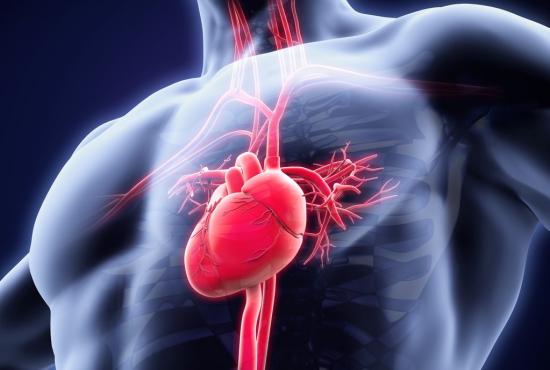
Normal heartbeat caused by an electrical impulse through the heart. An electrical impulse occurs in the sinus node (also called the sinoatrial node), most often located in the upper right atrium. Electrical signals travel through the heart tissue to the lower chambers of the heart called the ventricles. The electrical impulse causes the upper chambers (atria) and lower chambers (ventricles) of the heart to beat regularly and consistently.
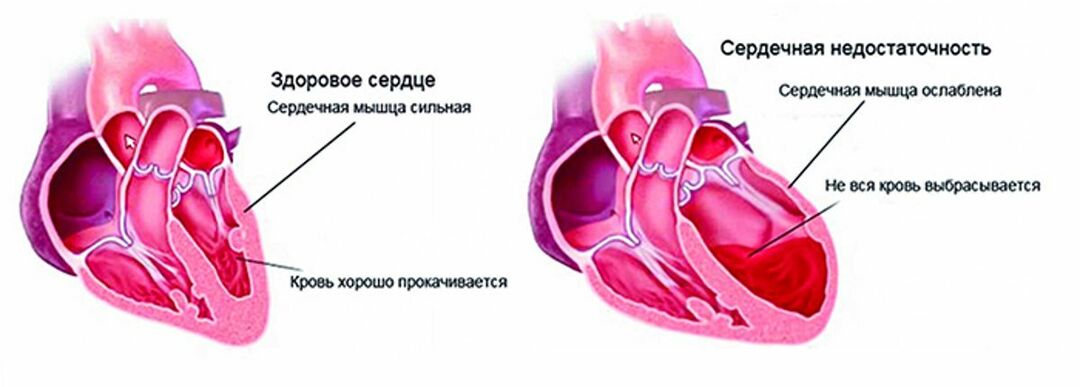
In supraventricular tachycardia, a series of early atrial beats accelerate the heart rate. A fast heartbeat (arrhythmia) prevents the ventricles from filling with enough blood because an electrical signal causes the heart to work too fast.
If a person has SVT, the heart can beat between 140 and 250 beats per minute, whereas it usually beats 60 to 100 times per minute (while at rest).
Affected populations
The prevalence of supraventricular tachycardia in the population is 2 in 1000 people. In women, SVT is recorded twice as often as in men. The risk of its development is more than 5 times higher in persons over 65 years of age.
Causes of supraventricular tachycardia
Most people with supraventricular tachycardia do not have any serious heart problems or health conditions that lead to it.
SVT can be caused by factors such as:
- taking any kind of medication;
- drinking a lot of alcohol;
- caffeine;
- smoking;
- use of a prohibited substance such as cocaine.
However, some people have supraventricular tachycardia (SVT) arises from the fact that the heart has an additional electrical connection with which they are born. This is called Wolff-Parkinson-White syndrome (WPW syndrome).
Read also:Heart diseases
Other factors that can increase your risk of SVT include:
- cardiovascular diseases (cardiomyopathy);
- coronary heart disease;
- heart surgery;
- hyperthyroidism (hyperthyroidism);
- lung disease such as chronic obstructive pulmonary disease (COPD);
- heart valve disease;
- heart problems that have been present since birth (congenital heart disease).
Signs and symptoms of supraventricular tachycardia
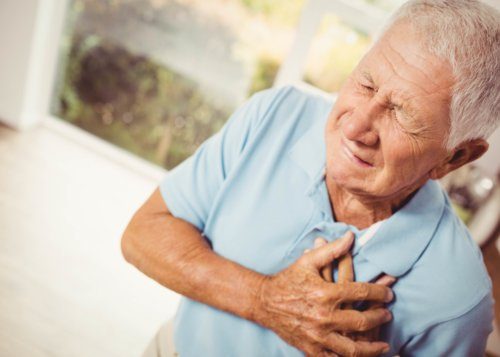
Supraventricular tachycardia does not always cause symptoms. If you have any symptoms, they may come and go, and the duration will vary. The duration can be anything from a few minutes to several months. Often, supraventricular tachycardia begins and then ends abruptly.
During SVT, a person may experience:
- heart palpitations (an unpleasant sensation caused by a strong and fast heartbeat);
- dizziness;
- chest pain;
- fainting, which is rare with SVT.
Can also be observed symptoms of heart failure (fatigue, dyspnea, cold hands and feet, acrocyanosis) if the episode of SVT lasts more than 24 hours before the patient receives medical attention. This is especially true in newborns and infants who cannot convey the sensation of a heartbeat.
Symptoms of SVT in Children elusive and often associated with poor feeding, vomiting, or a general decrease in the child's level of activity and alertness.
Supraventricular tachycardia almost never causes sudden death. However, if any of the symptoms are observed, be sure to see your general practitioner.
Diagnosis of SVT
Supraventricular tachycardia is suspected when a doctor or nurse records a rapid heartbeat (> 200) during an attack. To confirm the diagnosis, your doctor may perform an electrocardiogram (EKG). An electrocardiogram is a test that records the electrical activity of the heart. An echocardiogram or "echo" can also be performed in the cardiologist's office. This is a type of ultrasound scan that takes dynamic pictures of the heart.
An ECG, echocardiogram, and physical exam are usually the norm if done after the tachycardia (heart palpitations) has stopped, so it is important to get an ECG during symptoms. If this is not possible, the patient can be sent home with a Holter monitor or another monitor. heart, which can be used to continuously record the heart rate for at least 24 hours. An accurate ECG will allow you to make the correct diagnosis and choose the appropriate treatment.
Read also:Sudden cardiac death
A doctor may also refer you or your child to an electrophysiologist, cardiologist, who has additional education and training in the diagnosis and treatment of heart rhythm disorders.
Treatment of supraventricular tachycardia
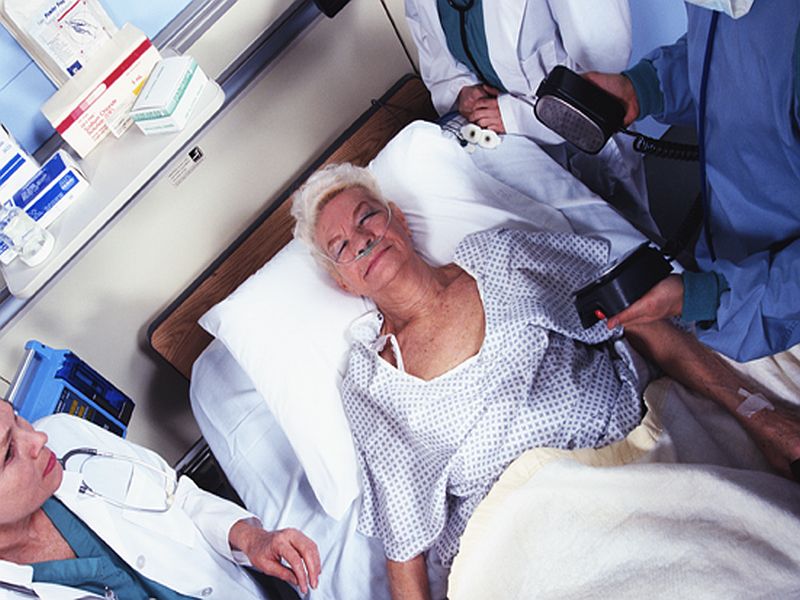
Treatment for supraventricular tachycardia focuses on controlling the heart rate and heart rate. What treatment is prescribed will depend on the symptoms. No treatment may be required at all; sometimes the symptoms go away on their own.
If SVT is caused by medication, your doctor may test it. If SVT is caused by an underlying health condition (illness), the doctor will focus treatment on that condition.
Vagal maneuvers
Older people may learn to perform vagal maneuvers in an attempt to slow down or stop an episode of rapid heartbeat. Vagal maneuvers may include:
- holding and resuming breathing (Valsalva maneuver);
- immersion of the face in ice water (immersion reflex);
- cough.
Valsalva maneuver - assumes that you lie on your back and blow into the syringe for 15 seconds. This increases the pressure in the chest, which causes the heart rate to slow down.
Drug treatment
If symptoms appear suddenly, your doctor may prescribe antiarrhythmic drugs, in the form of tablets or intravenous administration. They are aimed at bringing the heart rate back to normal. There are various types of medications that can do this, including beta blocker, calcium channel blockers and other antiarrhythmic drugs such as adenosine.
Ablation
While children with supraventricular tachycardia usually outgrow the arrhythmia, adults usually do not. Depending on the person's age and the severity and frequency of symptoms, a cardiologist may recommend a catheter ablation procedure for definitive management of SVT.
During ablation, several large droppers (small plastic tubes) are inserted into the main blood vessels in the legs. Catheters (thin tubes) are then passed through the veins and advanced through the veins to the heart. Electrical signals from the catheters help detect additional electrical connections, which can then be destroyed and repaired. The procedure takes several hours and most patients return home the same day.
Read also:How to lower blood pressure at home, 7 quick effective ways + recipes of traditional medicine for hypertension
After successful treatment with ablation, the person should not have any episodes of supraventricular tachycardia.
If your child has SVT, he or she may need to see a cardiologist frequently. Children with supraventricular tachycardia should see a cardiologist once or twice a year for medication and an electrocardiogram. However, older children and adults who have had a successful ablation procedure may not require ongoing follow-up.
Supraventricular tachycardia prognosis
The prognosis is determined by the type of supraventricular tachycardia that caused it, the frequency and duration of attacks, the presence or absence of complications during episodes of an attack, the state of the contractile myocardium (severe myocardial damage predispose to the development of acute heart or cardiovascular failure, sudden arrhythmic death, myocardial ischemia etc.).
A small risk of sudden death is usually only with a certain type of SVT called Wolff-Parkinson-White syndrome.
Patients with “primary” SVT usually have a good prognosis: most patients last for many years or retain full or partial working capacity for decades, although complete spontaneous cure is observed seldom.
Prophylaxis
Prevention of supraventricular tachycardia is unknown; for SVT in heart disease, primary prevention coincides with prevention of the underlying disease. Secondary prophylaxis should be considered treatment of the underlying disease, chronic antiarrhythmic drug therapy, and cardiac ablation.