Myocarditis of the heart: what is it, symptoms and treatment, complications, prognosis
Content
- What is myocarditis?
- Myocarditis symptoms
- Myocarditis in children
- Types of myocarditis
- Causes of myocarditis
- Complications of myocarditis
- Diagnostics
- Myocarditis treatment
- Prophylaxis
- Forecast
- Feature of myocarditis in pregnant women
What is myocarditis?
Myocarditis Is an inflammatory disease that affects the heart muscle (myocardium), most commonly caused by infections, immune diseases, or toxins. This inflammation reduces the ability of the heart muscle to contract normally.

Typically, inflammation is the body's response to any wound or infection. Imagine when you cut your finger: Within a short time, the tissue around the incision swells and turns red, which is a classic sign of inflammation. The body's immune system produces special cells that rush to the site of the wound and repair it.
However, sometimes the immune system or another cause of inflammation leads to myocarditis.
In severe cases, the disease can lead to permanent damage to the heart, in particular to dilated cardiomyopathy and heart failure.
Prevalence of myocarditis among other cardiac pathologies is 10 - 15%. These data are very approximate due to the fact that the disease often proceeds in an erased form and is not diagnosed. In 10% of cases the correct diagnosis is made by a pathologist.
Mainly adults suffer from myocarditis, more often at the age of 30-40, women get sick more often than men, but their course is lighter.
According to statistics, every year the death rate from myocardial inflammation is 7% from all patients.
By the type of development, inflammation of the myocardium is primary - as an independent disease, and secondaryas a manifestation of diseases. Even if the disease is asymptomatic, it can cause inflammation of the heart.
Myocarditis can be accompanied by diseases such as scleroderma, endocarditis, systemic lupus erythematosus.
Myocarditis symptoms

Symptoms caused by myocarditis can vary greatly in severity. Some people with this condition have subtle symptoms, while others suffer more. The severity of symptoms tends to correlate with the severity of the inflammation present in the heart muscle. Mild symptoms are associated with milder cases of myocarditis, while severe symptoms usually reflect significant inflammation.
For many people, myocarditis is a relatively mild and self-limited disease with very few symptoms. Sometimes the person with the disease experiences flu-like symptomsthat goes away in a week or two.
If myocardial inflammation occurs against the background of a viral or bacterial disease, then the patient, in addition to complaints of characteristic cold symptoms, complains of chest pain, shortness of breath. The pains are stabbing, pressing, spreading to the entire chest, appear suddenly. Together with that, the patient is experiencing increased fatigue, increased sweating.
Sometimes myocarditis affects the heart and causes rapid, severe, and irreversible heart failure.
The consequence of heart failure, which often appears with myocarditis, may be dilated cardiomyopathy. Extrasystoles (heart rhythm interruptions) occur, the patient feels strong tremors of the heart. With physical exertion, shortness of breath, swelling of the legs occurs, the tips of the fingers, nose and earlobes turn blue.
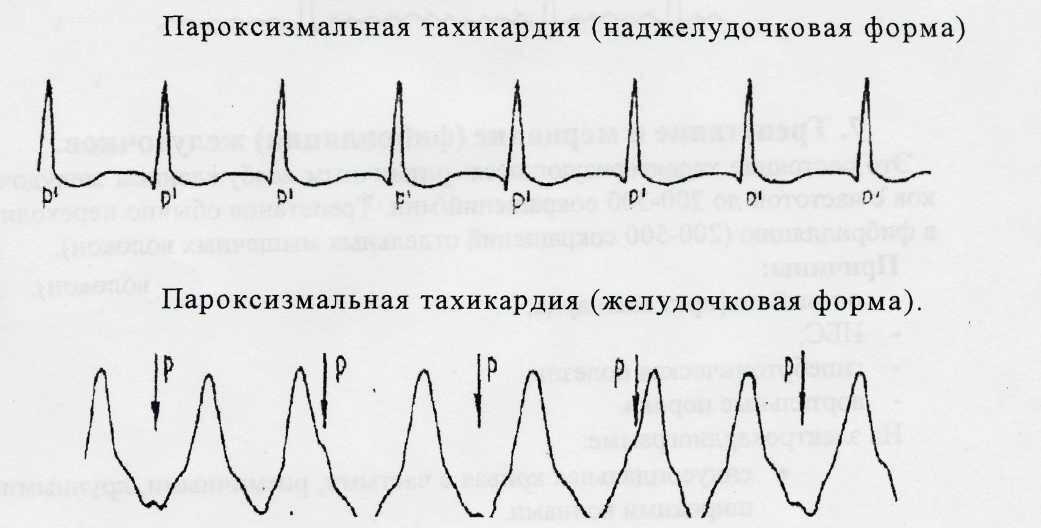
Cardiac arrhythmias can occur with acute myocarditis. These arrhythmias can be of almost any type, including bradycardia (slow heart rates) and tachycardia (fast heart rates) such as atrial fibrillation and ventricular tachycardia. These arrhythmias usually disappear when acute myocarditis disappears.
The presence of all the listed symptoms in one patient usually does not occur, the prevalence of certain symptoms depends on the type of disease.
Myocarditis in children
When myocarditis develops in children, they may have the following signs and symptoms:
- fainting;
- labored breathing;
- fast breathing;
- fast or abnormal heart rhythms (arrhythmias).
Read also:Sudden cardiac death
Types of myocarditis
Inflammation can cover different areas of the myocardium.
- On the basis of its spread, the disease is divided into diffuse - covering the entire muscle, and focal. With a focal form, inflammation develops in one area of the myocardium, the rest of its tissues are not damaged. Diffuse myocarditis is more severe, its symptoms are more pronounced.
- By origin, the disease is divided into rheumatic, non-rheumatic and myocarditis, concomitant with another disease:
- rheumatic form is one of the forms rheumatismcaused by streptococcus;
- non-rheumatic myocardia occurs from infection with bacteria, viruses, fungi and parasites in the human body.
According to the mechanism of myocardial inflammation, the disease is divided into:
- Infectious. Occurs during or after flu, childhood viral or bacterial disease, parasites.
- Allergic myocarditis, or combined toxic-allergic, resulting from thyrotoxicosis, uremia, alcoholic or drug intoxication. Adults often suffer from this type of disease due to the use of cocaine.
-
Idiopathic - the nature of this type of myocarditis has not been clarified. This rare form of the disease is difficult and is accompanied by the following complications:
- heart failure;
- thrombosis;
- myocardial infarction.
The disease of the idiopathic mechanism develops with lightning speed, blood pressure drops, appears dyspnea, chest pains, edema, arrhythmia, the size of the heart increases in all directions. This type of disease occurs more often than others.
By the type of the course of the disease, it is divided into:
- lightning fast;
- sharp;
- medium (subacute);
- chronic.
The lightning-fast course of development can cause cardiogenic shock. This form ends either in self-healing or is fatal.
Causes of myocarditis
Often the cause of myocarditis is not identified. There are many potential causes, but the likelihood of developing myocarditis is rare. Potential common causes (pathogenesis) include:
- viruses;
- bacteria;
- fungi (yeast infections).
The disease can also occur due to exposure to:
- chemicals or radiation;
- drugs used against cancer;
- antibiotics (especially penicillins);
- sulfonamide preparations.
The causes of acute myocarditis, which can develop into chronic, are:
- autoimmune diseases;
- chicken pox;
- rubella;
- measles;
- herpes;
- hepatitis a, b;
- ARI and ARVI.
The time of epidemics of viral infectious diseases is the most dangerous for the occurrence of acute myocarditis. It can develop as a complication after a viral infection.
The most susceptible to acute myocarditis are young men and men, pregnant women, young children, people with weakened immunity.
Certain autoimmune diseases, such as scleroderma, systemic lupus erythematosus, can cause the immune system to turn against the heart, leading to inflammation and damage to the myocardium.
Complications of myocarditis
Myocarditis can cause significant damage to the heart. The body's immune system response to a virus or other infection that causes myocarditis can cause tangible damage, like certain chemicals or autoimmune diseases that can cause pathology. This can eventually lead to heart failure and ultimately death. These cases are rare, as most patients with myocarditis recover and resume healthy cardiac activity.
Read also:How to lower blood pressure at home, 7 quick effective ways + recipes of traditional medicine for hypertension
Other complications include problems with rhythm or heart rate, heart attack, and stroke. In rare cases, an urgent heart transplant may be required.
Myocarditis is also associated with sudden death: up to 9 percent autopsies in adults show inflammation of the heart muscle. This number is increasing up to 12 percent at autopsy of young people with inflammation of the heart muscle.
Diagnostics
Due to the lack of characteristic signs of myocarditis, late diagnosis is a frequent problem. At the same time, it is necessary to establish the primary disease that attracted myocarditis. For this, a comprehensive examination is carried out including:
- Anamnesis. Information about the history of the disease, the living conditions of the patient, the diseases he suffered;
- Patient examination. The doctor listens to the patient in order to identify heart murmurs, tachycardia. Examination reveals the presence of edema, swelling of the cervical veins, cyanosis of the skin. The signs established after the examination do not give grounds for making a diagnosis, but speak only of the presence of heart failure. The doctor clarifies the diagnosis based on the results of subsequent studies.
- General blood analysis - is needed to detect inflammation and identify disease.
- Bacterial blood culture - identifies the causative agent of the disease.
- Magnetic resonance imaging (MRI) - MRI of the heart identifies areas of destruction of the heart muscle.
- Electrocardiography (ECG) - a technique for recording and studying the electric fields generated during the work of the heart. The ECG does not give an accurate diagnosis, since its changes are similar to signs of other diseases. The patient's ECG is taken twice - before the start of therapy and in the process, and the results are compared. If the therapy did not affect the indications, we can talk about the chronic course of myocarditis. Sometimes the doctor decides to conduct daily monitoring of the heart.
- Echocardiography (ultrasound examination of the heart) - helps to see the work of the heart in real time, learn about the thickness of the heart muscle, myocardial contractility.
- X-ray - show changes in the size of the heart, disorders in the myocardium and the presence of pulmonary edema. The heart muscle thickens due to inflammation, so x-rays show an increase in heart size. The more severe the inflammatory process, the more the dimensions are changed. But even if the boundaries of the heart are within normal limits, the disease cannot be ruled out.
- Biopsy - carried out only with a poor prognosis of myocarditis in order to establish the presence of tissue necrosis in the heart.
Treatment myocarditis

Treatment for myocarditis may include:
- corticosteroid therapy (to help reduce inflammation);
- heart medications such as a beta blocker, ACE inhibitor, or ARB;
- behavioral changes such as rest, fluid restriction, and a low-salt diet;
- diuretic therapy to treat fluid overload;
- antibiotic therapy.
Treatment depends on the source and severity of the myocardial inflammation. In many cases, the disease will improve with the proper measures and the person will fully recover.
Read also:Doppler ultrasound (USDG, Doppler examination of the vessels of the head and neck)
If myocarditis continues, your doctor may prescribe corticosteroids to reduce inflammation. They are also likely to recommend rest, fluid restriction, and a low salt diet. Antibiotic therapy can help treat the infection if you have bacterial myocarditis. Diuretic therapy may be prescribed to remove excess fluid from the body. Your doctor may also prescribe medications to help your heart function more easily.
Almost all of these therapies relieve the stress on the heart so that it can heal itself.
If heart complications are observed, other more invasive procedures may be performed in the hospital. Pacemaker implantation and / or use of a defibrillator may be required. When the heart is severely damaged, doctors may recommend a heart transplant.
Prophylaxis
Prevention of myocarditis is reduced to reducing the risk of contracting infectious or colds, to giving up bad habits and to timely vaccination. In the presence of unfavorable heredity, it is necessary to be observed by a cardiologist and undergo examinations on time.
To prevent myocarditis in children, you need to avoid infectious and viral diseases during pregnancy, and if infectious processes occur, do not resort to self-medication, but seek qualified medical help.
Forecast
Depending on the characteristics of the disease, both complete recovery and severe complications, including death, are expected.
In 50% of cases of myocarditis, it is completely cured, therefore it is recommended not to neglect the advice of doctors, to be attentive to your health.
In chronic or subacute (intermediate) form of myocarditis, the virus is constantly present in the patient's myocardium, as a result of the inflammation caused by it, the heart degrades. Antibodies designed to kill the virus destroy proteins in the heart muscle. This provokes the production of new antibodies, a vicious circle is formed. With this type of myocarditis, the prognosis is the worst.
The prognosis for asymptomatic myocarditis is much more favorable. In such cases, the patient's ECG is similar to the ECG for myocardial infarction. Additional examination is required by coronary angiography - an X-ray of the cardiac arteries. If it reveals a mild form of the disease, the patient will recover.
Feature of myocarditis in pregnant women
A woman expecting a child may develop myocarditis if she has had an infectious disease, sometimes this is the result of severe toxicosis or anemia.
Signs appear a month before childbirth or six months after the birth of the child. If a woman has had myocarditis before, pregnancy can provoke its exacerbation.
When planning pregnancy, women who have had such a diagnosis should undergo examination and take preventive measures.
When diagnosing a disease, you should not give up X-ray. This examination is not as dangerous for the fetus as many think, the consequences of myocarditis will bring much more. harm than X-ray, besides, when examining the chest, the uterus and small pelvis are reliably covered from radiation.
Treatment of pregnant women takes place only in a hospital, bed rest and a salt-free diet are indicated. The condition of the mother and the fetus is monitored, and the council of doctors determines the course of therapy.