Eye capillary rupture: what is it, causes, symptoms, treatment
Content
- What is eye capillary rupture?
- Types of eye capillary rupture
- Causes and risk factors
- Risk factors
- Symptoms and complications
- Diagnostics
- Treatment
- Natural remedies
- Prophylaxis
What is eye capillary rupture?
Rupture of eye capillaries - This is a phenomenon characterized by the outflow of blood from small vessels that supply the organ of the visual apparatus.
This condition is quite common and can be caused by numerous factors, including trauma to the eye, infection, hormonal changes, taking anticoagulant drugs, high blood pressure and various other systemic diseases. The causes can be determined by an ophthalmologist, starting from the place of rupture of the capillaries of the eye (just below the conjunctiva, in the vitreous body or in the retina).

In addition, depending on where the capillaries are damaged, this condition includes various signs and symptoms. Hemorrhage usually appears in the form of a red spot, more or less visible, at the surface level or inside the eye.
In most cases, treatment is not necessary: rupture of the capillaries of the eye resolves spontaneously within 1 to 3 weeks. Occasionally, however, the disorder can become frequent and spread beyond this period, signaling a more serious underlying condition (for example,
diabetes, vascular pathologies, blood clotting disorders, etc.). If the problem persists for more than 14 days, it is necessary to consult a doctor to understand the causes and resort to the most appropriate intervention for the case.Eye capillary rupture is a condition that causes bleeding due to damage to the small vessels that supply the various structures of the eye; on the other hand, the release of blood from large vessels is rare.
Rupture of eye capillaries can occur in:
- the space between the conjunctiva and the sclera (white part of the eye);
- vitreous body;
- retina.
Subconjunctival hemorrhage is the most common and least serious cause of this manifestation, while retinal and vitreous involvement is rare.
Depending on the location of the eye capillaries, a red spot appears, associated with more or less limiting visual impairment.
Types of eye capillary rupture
Depending on where the eye capillaries rupture, 3 different types of hemorrhage can be distinguished:
- Subconjunctival hemorrhage (or hyposhagmus): This is the most common type of eye capillary rupture. The process involves the space just below the conjunctiva (the transparent surface of the eye). With subconjunctival hemorrhage, blood spills due to rupture of small superficial capillaries located between the sclera and conjunctiva. This form of bleeding is usually not associated with changes in the eye or vision.
- Vitreous hemorrhage: Rupture of the capillaries of the eye affects the vitreous humor (between the back of the lens and the retina), which is physiologically transparent. Collecting blood in the vitreous cavity prevents light from reaching the retina, which significantly impairs vision.
- Retinal hemorrhage: rupture of the capillaries of the eye involves the vascularized part of the retina. Retinal hemorrhage may be due to trauma or a sign of systemic vascular disease (diabetes, venous occlusion, etc.); because of these pathologies, the choriocapillaries and vessels of the retina are damaged with the release of blood, which forms spots in the deep layers of the retina. These lesions are associated with severe eye changes.
Read also:Cataract of the eye: what is it, causes, symptoms, methods of treatment and prevention
Causes and risk factors
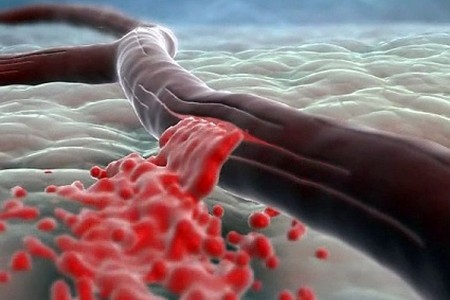
Rupture of the capillaries of the eye is associated with damage to one or more blood vessels that transfer their blood content to the bulbar conjunctiva, vitreous humor or retina. The reasons for the destruction of the eye capillary can be different.
Subconjunctival bleeding often caused by minor and non-worrisome causes, such as coughing or exertion that causes the blood pressure to rise too high.
Against, capillary rupture in the vitreous and retinal body should always be evaluated by a physician, as they may indicate the presence of underlying pathologies that need to be treated (for example, arterial hypertension, macular degeneration, medication side effects, diabetes, etc.).
Subconjunctival hemorrhage occurs when a small blood vessel ruptures and bleeds on the bulbar conjunctiva. The epithelium of the conjunctiva contains numerous capillaries (usually these small blood vessels are visible when the eye is inflamed), which are quite fragile and their walls can easily break.
Possible causes of rupture of eye capillaries at the subconjunctival level:
- excessive physical exertion (for example, lifting heavy weights, but can also occur due to vomiting, violent sneezing or coughing);
- a strong increase in blood pressure (as in hypertension);
- a sudden change in pressure during labor (shaken baby syndrome);
- minor injuries (vigorous rubbing of the eye, penetration of a foreign body, improper use of contact lenses, etc.);
- Taking anticoagulants and supplements (such as aspirin, warfarin, and ginseng)
- hormonal changes during pregnancy;
- minor postoperative complications in refractive surgery (example: Lasik to correct myopia, hyperopia and astigmatism);
- sometimes blood loss in the eye can also be a sign of other types of eye conditions (for example, glaucoma, conjunctivitis, uveitis, or serious infections);
- sometimes rupture of the capillaries of the eye can be determined by more serious conditions: increased intracranial or intraocular pressure, blunt trauma, skull fracture, or impairment blood clotting.
Rupture of eye capillaries at the level of the vitreous humor can occur in the following cases:
- retinal detachment;
- macular degeneration;
- diabetes and diabetic retinopathy;
- pathology of the circulatory and vascular system;
- glaucoma;
- uveitis;
- hemorrhage in the retina.
Read also:Allergic conjunctivitis
Possible causes of retinal capillary rupture:
- systemic vascular disorders (arterial hypertension, venous occlusion, complications of diabetes, etc.);
- retinal detachment;
- macular degeneration;
- trauma (bruise or fracture of the skull).
Risk factors
Several factors can increase the fragility of the eye capillaries. For example, this phenomenon can be a side effect of anticoagulant drugs such as aspirin (acetylsalicylic acid) and warfarin. Although rare, St. John's wort, Ginkgo biloba, ginger, and cayenne pepper can increase your risk when taken in high doses.
Symptoms and complications
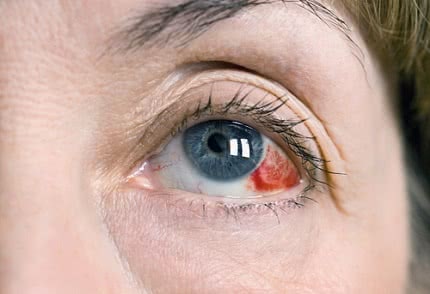
Rupture of the eye capillaries usually occurs with the appearance of a blood stain and general redness of the eyes (cm. Photo). This phenomenon can affect anyone and can affect both the right and left sides.
The various causes that cause rupture of the capillaries of the eye have a slightly different symptomatological picture for each phenomenon.
—Subconjunctival hemorrhage.
Rupture of the capillaries of the eye at the level of the sclera (the white part of the eye) usually does not cause vision problems or significant discomfort, despite its visible appearance and the appearance of mildly irritating symptoms.
Usually this phenomenon manifests itself in the form of a hematous spot under the transparent conjunctival surface. The blood initially appears bright red; later, the spill may spread and the speck tends to turn green or yellow, similar to a bruise.
In this case, the most common symptoms of ocular capillary rupture are:
- bleeding in the white part of the eye (blood in the eye);
- headache (in some cases, but not always);
- a feeling of discomfort inside the eye (as if it were sand or a foreign body).
Eye pain is usually absent or minimal, and vision does not change. Often, bleeding due to destruction of the eye capillaries is reabsorbed after about a week.
- Hemorrhage into the vitreous body or retina.
Rupture of the capillaries of the eye, associated with hemorrhage into the vitreous body or retina, causes almost the same symptoms. It should be remembered that these two conditions are quite rare compared to the first, but they can signal the presence of more serious problems and disorders.
Typical symptoms of capillary rupture at the vitreous or retinal level are as follows:
- Pain in the eyes;
- blurry look;
- a blood stain in the eye;
- if bleeding is limited: floats (loose bodies or "flying flies");
- in the most serious cases: visual impairment of varying degrees.
Diagnostics
A complete eye examination may be sufficient to diagnose general subconjunctival hemorrhage and establish the cause of the ocular capillary rupture. If the cause of the capillary rupture is unclear, the ophthalmologist may decide to study the clinical picture with further research to identify any pathologies affecting the eye. Sometimes blood pressure measurements and a complete blood count can rule out blood clotting disorders.
Read also:Retinal macular degeneration (macular degeneration)
With regard to the rupture of the vitreous and retinal capillaries, it is advisable to conduct an eye examination to assess the bulb and fundus, with particular attention to the periphery of the retina.
When damage to the capillaries of the eye is caused by trauma, a thorough examination is necessary to understand the extent of the damage and possible damage to other structures.
If capillary rupture of the eye is associated with ecchymosis or bleeding elsewhere in the body, the patient goes away diagnostic tests to rule out systemic vascular disease or defects bleeding.
Treatment

In the absence of infection or significant trauma, capillary rupture at the subconjunctival level is a condition that does not require any specific treatment. Typically, blood loss is self-limiting and resolves after two or three weeks, without any long-term complications.
If the patient experiences discomfort or pain, the doctor may recommend the use of pain medications. Even artificial tears can help reduce irritation.
Patients taking aspirin or anticoagulants should consult with their doctor to determine if it is safe to continue taking these medications during the healing process. If subconjunctival bleeding is caused by trauma, additional medical measures may be needed to speed up recovery.
If there is an infection, you can prescribe antibiotic eye drops or ointments.
For damage to the eye capillaries at the vitreous or retinal level, it is important to contact a trusted an ophthalmologist in order to have a clear understanding of the intervention plan based on the individual case and degree Problems. Antihemorrhagic drugs or laser surgery of damaged blood vessels are commonly used.
Natural remedies
To promote healing of burst eye capillaries and facilitate the reabsorption of hemorrhages, you need to change eating habits, such as consuming foods containing flavonoids found in berries, citrus fruits and red fault.
During recovery, it is best to avoid substances that can cause capillary dilation, such as spicy and very hot foods, alcohol, coffee, and sodas.
Prophylaxis
Sometimes damage to the eye capillaries can be prevented. To avoid eye injuries in the first place, it is helpful to wear safety glasses that protect your eyes from dust and strong sunlight.
If repeated rupture of the capillaries of the eye occurs, it is advisable to consult a doctor so that establish or exclude the presence of a coagulation disorder or other pathology that may contribute to this phenomenon.