Prader-Willi syndrome in children: what is it, symptoms, photos, treatment
Content
- What is Prader-Willi syndrome?
- What are the symptoms of Prader-Willi syndrome?
- early life
- Childhood and growing up
- Chromosomes and genes: the basics
- What causes Prader-Willi syndrome (causes)?
- How do these genetic defects cause the symptoms seen in Prader-Willi syndrome?
- Are there differences in the severity of PWV by genetic subtype?
- How is PWV diagnosed?
- What are the future risks of Prader-Willi syndrome?
- Is there a cure for Prader-Willi syndrome?
What is Prader-Willi syndrome?
Prader-Willi syndrome (PWV) is a genetic disorder that occurs in about one in every 15,000 newborns.
Prader-Willi syndrome affects men and women with equal frequency and affects all races and ethnic groups. PWV is recognized as the most common genetic cause of life-threatening childhood obesity.
This syndrome was first described by Swiss doctors Andrea Prader, Alexis Labhart and Heinrich Willie in 1956 based on the clinical characteristics of nine children examined.
Common characteristics identified in the initial report included small arms and legs, abnormal growth and body composition (small stature, very low muscular body weight and early childhood obesity), muscle hypotension (low muscle tone (muscle weakness)) at birth, insatiable hunger, severe obesity and mental backwardness.
This video will give a brief understanding of the manifestations of the disease:
Prader-Willi syndrome is the result of an abnormality on chromosome 15, and an accurate diagnosis today is based on genetic testing.
What are the symptoms of Prader-Willi syndrome?
The symptoms of Prader-Willi syndrome are likely related to dysfunction in a part of the brain called the hypothalamus. The hypothalamus is a small endocrine organ at the base of the brain that plays an important role in many bodily functions, including the regulation of hunger and satiety, body temperature, pain, sleep and wake balance, water balance, emotions and fertility.
Although hypothalamic dysfunction is thought to lead to symptoms of Prader-Willi syndrome, it is not yet clear how a genetic abnormality causes hypothalamic dysfunction.
In people with this syndrome, symptoms change over time. In general, there are two main stages of symptoms associated with PWV:
early life

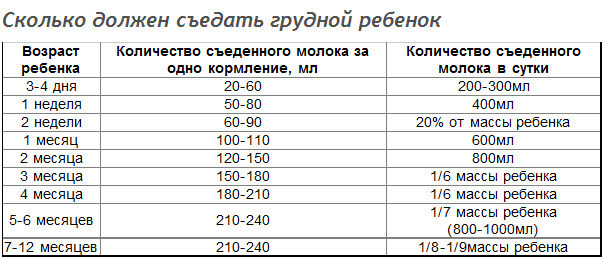
Infants with PWV are hypotonic or "flexible" with very low muscle tone. Typical for them weak cry and poor sucking reflex. Babies with Prader-Willi syndrome usually cannot breastfeed and often need artificial feeding.
Children may have problems with growth and developmentif feeding difficulties are not closely monitored and treated. As these children get older, strength and muscle tone generally improve. Motor functions are developed, but, as a rule, they are performed with a delay.
Read also:Streptoderma in children: symptoms, home treatment
Toddlers tend to enter a period where they can easily start gaining weight before they show an increased interest in food.
Childhood and growing up

Unregulated appetite and lung weight gain (cm. photo) characterize the later stages of Prader-Willi syndrome.
These signs most often begin between the ages of 3 and 8, but vary in onset and intensity.
People with Prader-Willia syndrome lack normal hunger and satiety cues.
They generally cannot control their food intake and overeat if they are not controlled.
Hunger behavior is very common. In addition, the metabolic rate in people with this syndrome is lower than usual. Without treatment, this combination of problems leads to morbid obesity and its many complications.
In addition to obesity, a child with Prader-Willi syndrome can have many other symptoms. Children with IQs ranging from low normal to moderate intellectual disability usually have cognitive problems. Those with normal IQs usually have learning disabilities.
Other problems and signs may include:
- growth hormone deficiency / short stature;
- small arms and legs;
- scoliosis;
- sleep disturbances with excessive daytime sleepiness;
- high pain threshold;
- apraxia / dyspraxia of speech and infertility.
Behavioral difficulties can include obsessive-compulsive symptoms, skin problems, and difficulty controlling emotions. Adults with Prader-Willi syndrome are at increased risk of mental illness. PWV is a broad spectrum disorder and symptoms vary in severity and frequency among people.
Chromosomes and genes: the basics
To understand the genetics of PWV, it is necessary to have a general understanding of chromosomes and genes.
Chromosomes are tiny structures that are found in almost every cell in our body. These are packets of genes that we inherit from our parents. Genes contain all the detailed instructions our bodies need to grow, develop and function - our DNA.
Certain genes direct our cells to produce proteins, enzymes and other essential substances. Each of our many genes is found on a specific chromosome. Most of the cells in our body contain 46 chromosomes - 23 inherited from our mother and 23 from our father. (Eggs and sperm usually contain only 23 chromosomes, because those cells combine in conception and provide the child with the right number of chromosomes.)
Read also:XYY syndrome
22 pairs of chromosomes are labeled with a number based on their size (chromosome 1 is the largest pair, and chromosome 22 is almost smallest), and 2 chromosomes in each numbered pair contain the same genes (one set in the mother and one from father). The changes that cause Prader-Willi syndrome occur in a pair known as chromosome 15. The 23rd pair of chromosomes is designated as a pair of sex chromosomes. This pair determines the gender of the child: XX for a girl, XY for a boy.
Changes or errors in genes and chromosomes are common during egg and sperm production. Some of these genetic changes will have no effect when the baby is conceived; some will cause miscarriage; and some will provoke, for example, Prader-Willi syndrome, causing significant differences in how the child develops and functions.
While many genetic disorders are caused by a single gene change and can be passed from parent to child, PWV is much more complex.
What causes Prader-Willi syndrome (causes)?
Prader-Willi syndrome results from a lack of active genetic material in a specific region of chromosome 15 (15q11-q13). Usually, people inherit one copy of chromosome 15 from their mother and one from their father. The genes that cause PWV are active only on the chromosome received from the father.
In Prader-Willi syndrome, a genetic defect that causes chromosome 15 to be inactive from the father (paternal chromosome 15) can occur for three reasons:
- FPV by exclusion: Most often, the part of chromosome 15 that was inherited from the father is missing or deleted in this critical region. This small deletion occurs in about 70% of cases and is usually undetectable on routine genetic testing such as amniocentesis.
- FPV on homogeneous disomy: Another 30% of cases occur when a person inherits two chromosomes 15 from his mother and none from his father. This type of inheritance is called uniparental disomy (UPD).
- FPV for Mutation Impression: finally, in a very small percentage of cases (1-3%) a small genetic mutation in Prader's syndrome - Willie leads to the fact that the genetic material of the paternal chromosome 15 is present, but inactive.
How do these genetic defects cause the symptoms seen in Prader-Willi syndrome?
Chromosome 15 is one of the most complex regions of the human genome. Although there have been significant advances in understanding and characterizing the genetic changes associated with Prader-Willi syndrome, the exact mechanism by which the lack of functional genetic material leads to PWV-related symptoms is not are understandable.
Read also:Measles symptoms in children, photo from the initial stage
Scientists are actively studying the normal role of genetic sequences in PWV and how their loss affects the hypothalamus and other body systems.
Are there differences in the severity of PWV by genetic subtype?
There may be some subtle differences in PWV traits based on genetic subtype: for example, individuals with deletions may be fair-skinned with blonde hair compared to other family members and be more susceptible to seizures and convulsions; and those with PWV problems due to homogeneous disomy may be at higher risk of mental illness in young adolescence.
Overall, however, there is significant overlap between the various genetic subtypes. It is likely that thousands of genes outside of the PWV region, which show normal differences between individuals, also significantly contribute to the variability of symptoms of Prader-Willi syndrome between those with disorder.
How is PWV diagnosed?
This syndrome is diagnosed with a blood test that detects genetic abnormalities specific to Prader-Willi syndrome - the so-called “DNA methylation assay». FISH (fluorescence in situ hybridization) identifies the syndrome by deletion, but does not diagnose other forms of PWV.
DNA methylation assay identifies all types of this syndrome and is the preferred test method for diagnosis. If the methylation test is done first, additional testing may be needed to determine if PWV is caused by a paternal deletion, UPD, or an imprinting mutation.
In cases where there is a suspicion of the presence of an imprinting mutation, blood can also be taken from the parents.
What are the future risks of Prader-Willi syndrome?
PWV by exclusion and UPD are sporadic and generally not associated with an increased risk of recurrence in future pregnancies. In the case of an imprinting mutation, Prader-Willi syndrome may recur in the family. Families with concerns about their risk of PWS should talk to a genetic counselor.
Is there a cure for Prader-Willi syndrome?
There is currently no cure for Prader-Willi syndrome, and most research to date has focused on treating specific symptoms of the syndrome.
For many people affected by this disorder, addressing some of the most difficult aspects of the syndrome, such as insatiable appetite and obesity would represent a significant improvement in the quality of life and ability to live whatever.