Takayasu syndrome (nonspecific aortoarteritis): symptoms, treatment
Content
- Fast facts
- What is Takayasu Syndrome?
- Causes and risk factors for Takayasu's arteritis
- How is Takayasu syndrome diagnosed?
- How is Takayasu syndrome treated?
- Prognosis and life with Takayasu's arteritis
- Related Videos
Fast facts
- Takayasu's arteritis (Takayasu's syndrome, nonspecific aortoarteritis) is much more common in women than in men. The disease most often begins in young people, but children and middle-aged people can also get sick.
- Doctors detect nonspecific aortoarteritis through angiograms. Angiograms are types of x-rays that show arteries. In Takayasu's arteritis, angiograms show narrowing of the large arteries.
- Narrow or blocked arteries cause problems that range from mild to severe.
- Treatment of nonspecific aortoarteritis almost always includes the appointment of glucocorticoids (Prednisone, etc.), which help reduce inflammation. Patients may also be prescribed other medications that suppress the immune system.
- Symptoms of Takayasu syndrome are manifested by poor blood supply to tissues and organs.
Takayasu's arteritis, also called Takayasu syndrome or nonspecific aortoarteritis, is a rare form vasculitis, which includes inflammation in the walls of the largest arteries in the body: the aorta and its main branches.
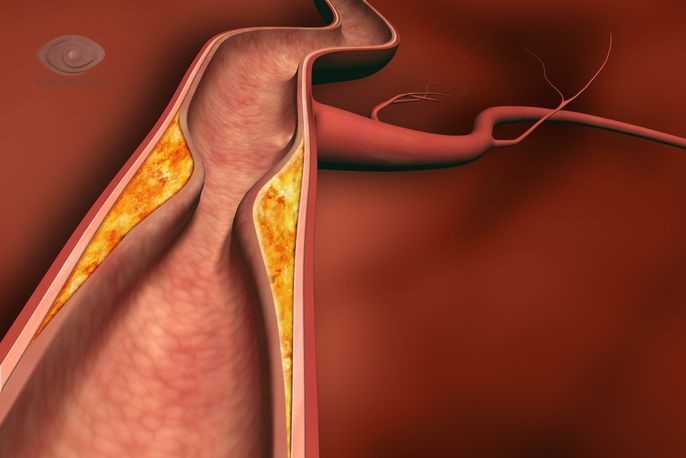
The disease occurs as a result of an attack by the body's own immune system, causing inflammation in the walls of the arteries. The inflammation causes the arteries to narrow and this can reduce blood flow to many parts of the body.
Takayasu Syndrome can lead to a weak pulse or loss of pulse in the arms, legs, and organs. For this reason, people are used to calling the disease "pulseless disease."
Sometimes patients with nonspecific aortoarteritis may not have symptoms, and catfish disease is so rare that doctors cannot easily recognize it and diagnose it in time to a person.
What is Takayasu Syndrome?
Takayasu syndrome is one of the many types of vasculitis. Vasculitis is characterized by inflammation of the blood vessels, and arteries are a type of blood vessel. With Takayasu's arteritis, this inflammation occurs in the walls of large arteries: the aorta and its main branches. These blood vessels supply blood to the head, arms, legs, and internal organs such as the kidneys.
The inflammation can cause the vessel walls to thicken. Over time, this thickening leads to a narrowing within the artery called "stenosis." If severe enough, this narrowing can reduce blood flow and result in less oxygen being sent to parts of the body or organs that the artery supplies.
Stenosis can cause symptoms (how you feel) and problems ranging from annoying to dangerous:
- pain when using an arm or leg;
- dizziness, headaches, or fainting;
- weakness and fatigue;
- high blood pressure (arterial hypertension);
- chest pain;
- myocardial infarction;
- stroke.
Read also:Shoulder-scapular periarthritis
Other symptomsthat can occur in patients with Takayasu syndrome include weight loss, fever, difference in blood pressure between the two arms (due to stenosis), discoloration of the arms or legs due to lack of adequate blood flow. But because these signs are nonspecific and usually develop slowly, they can delay diagnosis in some patients.
Causes and risk factors for Takayasu's arteritis
As with most types of vasculitis, the cause of nonspecific aortoarteritis is not known. It is rare to see more than one case in a family, and the role of genetics is unclear. The link between Takayasu syndrome and infection has also not been proven.
Takayasu syndrome is considered an autoimmune disease, which means that the body is attacked by its own immune system. In Takayasu's arteritis, the immune system attacks the blood vessels.
Takayasu's arteritis is rare, possibly affecting one in 200,000 people. Most often occurs in people aged 15–40 years, but sometimes affects young children or middle-aged adults. 9 out of 10 patients are women. Nonspecific aortoarteritis seems to be more common in East Asia, India, and possibly Latin America than in regions of Russia. However, the disease is very rare, even in these countries, and occurs across a wide range of ethnic groups.
How is Takayasu syndrome diagnosed?
Doctors most often find Takayasu syndrome on angiogramwhich shows how well the blood flows in the arteries. A doctor will often order an angiogram when a patient has symptoms and abnormal results from a physical exam. Signs include loss of pulse or low blood pressure in the arm, or abnormal sounds (“noises”) heard in large arteries with stethoscope.
There are various types of angiograms, including standard ones, which involve injecting a dye directly into an artery during an x-ray. Less invasive types of angiography use a different imaging technique, such as computed tomography, and is called CT angiography or CT. When is MRI used — Magnetic resonance imaging — it is called magnetic resonance angiography or MR angiography, MRA.
Angiograms can show narrowing of one or more large arteries. It is important for the doctor to distinguish between narrowing due to vasculitis (inflammation of the arteries) and narrowing due to atherosclerosis (“hardening” of the arteries). This can be tricky at times. There are other causes of arterial narrowing, including fibromuscular dysplasia, another rare condition that mainly affects women.
Read also:Lupus erythematosus - what is this disease, photos, symptoms and treatment in adults
Large arteries can also become inflamed in some other conditions. Examples Including Other Types of Vasculitis: giant cell arteritis (disease of the elderly), recurrent polychondritis, Kogan's syndrome and Behcet's disease. Certain infections can also cause inflammation in large arteries.
Blood tests for inflammation include measurements erythrocyte sedimentation rate (sometimes called the "erythrocyte sedimentation reaction" ROE or ESR) and C-reactive protein (often called CRP). The results of these tests are often, but not always, high in patients with Takayasu syndrome. However, these tests are also abnormal in a large number of other inflammatory diseases.
Patients with Takayasu syndrome may also have anemia due to chronic (long-term) inflammation. Anemia also checked with a blood test. None of these blood tests can tell you for sure if you have nonspecific aortoarteritis, and these blood tests can be abnormal in many other conditions.
Patients with Takayasu's arteritis may be asymptomatic, and the condition is so rare that doctors cannot easily recognize it. For this reason, the diagnosis of the disease is often delayed.
How is Takayasu syndrome treated?
Rheumatologists are usually the experts with the largest bulk and knowledge of the disease. Consequently, they direct the entire treatment process for these patients, especially those patients who need immunosuppressive drugs. Other doctors that patients may need include cardiologist and vascular surgeon. A team approach can offer the best care for patients with this condition.

Takayasu's syndrome most often requires treatment to prevent further narrowing of the affected arteries. However, narrowing that has already occurred often does not improve, even with medication. Glucocorticoids (Prednisone, Prednisolone, or other similar drugs)often referred to as "steroids" are an important part of therapy. The dose and duration of treatment depend on how severe the illness is and how long the patient has been suffering from it. However, these drugs can have long-term side effects.
Sometimes doctors prescribe drugs that suppress immunitybecause their side effects may be less severe than those of glucocorticoids. This is called "steroid sparing" treatment. These medicines include Methotrexate, Azathioprine, Mycophenolate Mofetil, Cyclophosphamide, and drugs that block tumor necrosis factor (such as Etanercept, Adalimumab, or Infliximab) and others biological productssuch as Tocilizumab.
Doctors often prescribe these drugs to treat others rheumatic diseasesbut they also use them to treat Takayasu syndrome. There is insufficient evidence that these drugs are definitely effective in the treatment of nonspecific aortoarteritis. Research continues, scientists are constantly looking for new drugs to treat nonspecific aortoarteritis.
Some experts advise the routine use of low doses Aspirin. This is thought to help prevent blood clots from forming in damaged arteries. Therapy for Takayasu syndrome also includes screening for high blood pressure and high cholesterol levels, and treatment if these problems are present.
Read also:Vasculitis (angiitis): what is it, causes, symptoms (photo), types of angiitis, treatment
Long-term damage to the arteries sometimes requires vascular procedure or surgery. This could include angioplasty (dilation of a narrowed or blocked blood vessel), with or without placement of a stent, to support the vessel. Another treatment option— bypass surgery, an operation to redirect blood flow around a blockage in a blood vessel.
Prognosis and life with Takayasu's arteritis
Takayasu's arteritis is a chronic condition and may require long-term treatment. Some patients have no symptoms or only mild signs of illness, but others are disabling or need surgery more than once. Side effects from medications, mainly glucocorticoids, can be troubling. Patients taking immunosuppressants are at risk for infections.
Because Takayasu's arteritis can cause heart problems, high blood pressure and stroke, patients with Takayasu syndrome should talk to your doctor about ways to reduce the risk of these serious problems. It is often not correct to measure the blood pressure in the arm because it will be falsely low due to blocked arteries, so the doctor may need to measure the blood pressure in the leg.
The disease can recur after treatment or it can get worse imperceptibly. It is often very difficult to know if Takayasu Syndrome has recurred. Thus, most patients require frequent doctor visits and angiograms.