Feeling of hunger after eating: causes and remedies, feeling of hunger in the stomach after eating, no feeling of fullness, constant feeling
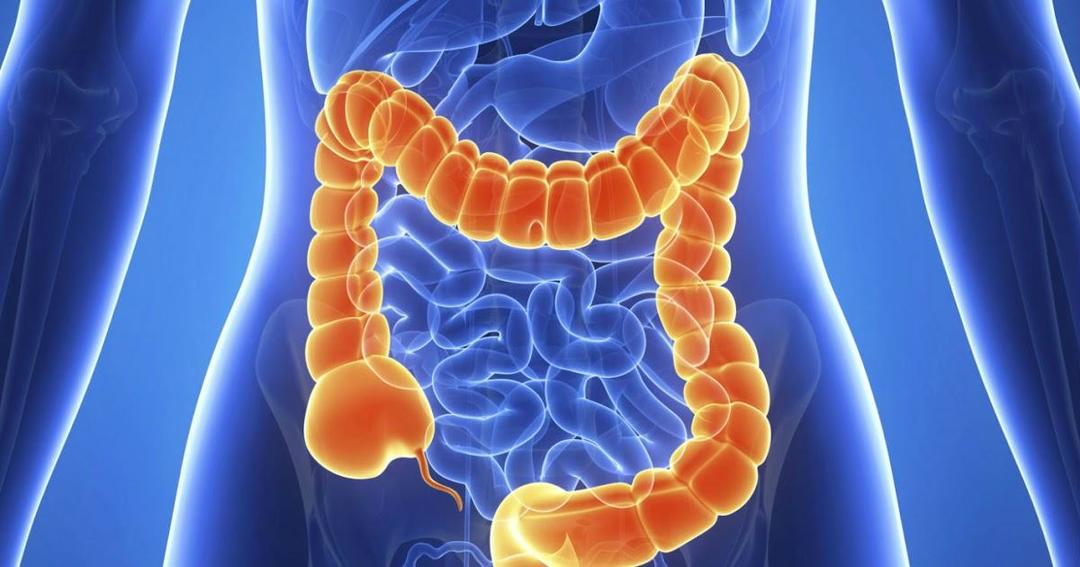
The feeling of hunger is a natural physiological sensation of a person, indicating a lack of nutrients and the need for energy sources, which are food. In a healthy person, hunger occurs when the active phase of food digestion ends, and chyme (partially digested food mixed with digestive juice and bile components) comes from the stomach into the duodenum, where the absorption of vitamins, minerals and other beneficial substances.

Feeling hungry after eating: reasons
If the feeling of hunger appears immediately after eating, you should analyze your diet and eating habits, since this should not be normal. In about 40% of cases, a feeling of hunger after food enters the stomach indicates a pathology of the digestive system and other internal organs, therefore, if such symptoms persist for a long time, it is necessary to seek medical help.

If you often feel hungry after eating, you should consult a specialist.
Content
- 1 How is food digested?
-
2 Why is there no satiety after eating?
- 2.1 Non-compliance with the diet
- 2.2 Haste while eating
- 2.3 Eating in a hectic environment
- 2.4 Increased loads
- 2.5 Non-compliance with the drinking regime
- 2.6 Deficiency of vitamins and minerals
- 3 Lack of saturation with pathologies of the nervous system
- 4 Digestive system diseases
- 5 Caution: diabetes mellitus
- 6 Hormonal abnormalities
- 7 What to do if you feel hungry after eating?
-
8 5 ways to deal with post-meal hunger
- 8.1 Method 1
- 8.2 Method 2
- 8.3 Method 3
- 8.4 Method 4
- 8.5 Method 5
- 8.6 Video - Feeling hungry after eating: reasons
How is food digested?
The primary digestion of food begins not in the stomach, but in the oral cavity, where it is crushed, is ground and chewed, and is also processed by enzymes contained in large quantities salivary secretion. This is the formation of a bolus (partially digested food), which from the pharynx enters the esophageal cavity through the upper esophageal valve (sphincter). In the stomach, the food lump mixes with gastric and pancreatic juices, as well as epithelial cells and mucus, and turns into a semi-liquid state called chyme. Approximately 1-1.5 hours after eating, the motility of the stomach increases, as a result of which its walls push the chyme into the duodenum, where it receives the necessary for cleavage and digesting bile.
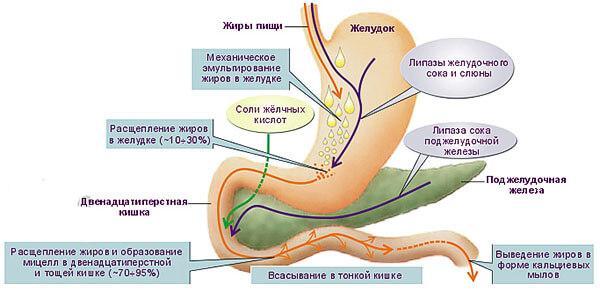
Digestion process
In order for food to be absorbed, digestive juice is produced in the stomach and duodenal part of the intestine. It contains hydrogen chloride in the form of an aqueous solution (hydrochloric acid), pepsinogen, mucus and other substances necessary to maintain digestive function. Basal secretion of digestive juice (the amount that is released at rest, without food stimulation) for a healthy person is:
- for men - 80-100 ml per hour;
- for women - 60-70 ml per hour;
- for children over 7 years old - 50-55 ml per hour.
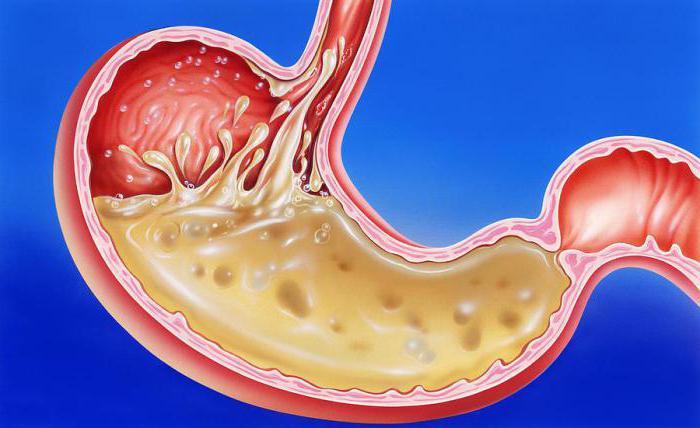
Without the right amount of gastric juice, food cannot be properly digested and absorbed by the body.
Important! Eating disorders, unhealthy diet, unhealthy eating habits can cause permanent disruption digestive function and malfunctions of all internal organs, the nutrition of which depends on a sufficient supply of useful and nutrients.
Why is there no satiety after eating?
Eating disorder is a major contributor to a lack of satiety after a meal. This includes not only an improperly selected diet and the use of low-quality products, but also abuse different diets and fashionable nutrition programs, often unbalanced in the composition of the main nutrients elements. To understand whether eating habits are causing hunger after food enters the stomach, it is necessary analyze your diet and the peculiarities of your lifestyle (eating on the run, eating in the wrong environment, being able to stress, etc.).

Eating on the run or under stress is not only unhelpful, but also causes serious digestive upset.
Non-compliance with the diet
Gastroenterologists consider fractional food intake to be the best option for organizing nutrition. This means that you need to eat up to 5-7 times a day, and the interval between meals should not exceed 2.5-3 hours. If a person skips any meal, the amount of digestive juice in the stomach is almost 2 times the required norm. Part of this amount goes to the digestion of the incoming food, the remaining volume interacts with the gastric walls and irritates the nerve receptors contained in the mucous membranes. This is what provokes hunger pains immediately after eating, so it is recommended to eat at the same time.

Compliance with the diet will help maintain the digestive system in a normal state and prevent the development of gastrointestinal pathologies
Note! If a person adheres to fractional nutrition, the volume of a portion that he eats at a time should not exceed 220-250 ml (for drinks - 150-180 ml).
Haste while eating
In order for the brain to receive a signal of satiety, the duration of a meal must be at least 20 minutes. Failure to comply with this recommendation leads not only to the appearance of a feeling of hunger after eating, but also to endocrine disorders, as well as overeating, which provokes a number of serious diseases: gastritis, colitis, obesity, pancreatitis. Insufficient chewing of food is also dangerous by a decrease in the enzymatic activity of the salivary glands, which leads to a persistent disorder of the digestive function even at the initial stage of digestion.

A quick snack due to haste provokes new bouts of hunger, which is fraught with overeating, obesity and stomach diseases
Eating in a hectic environment
It has long been proven that the psychological factor is one of the main pathogenetic mechanisms of various digestive disorders (in particular, inorganic intestinal lesions and inflammatory processes gastrointestinal tract). Not only stress can provoke a violation of the digestive function, but also watching programs and films, having an exciting effect on the central nervous system (horror films, crime chronicles and etc.).

Watching movies and TV with meals can have a negative effect on digestion
If, while eating, a person experiences emotional excitement or is in a state of heightened anxiety, inhibition of the activity of parietal cells of the stomach, synthesizing salt acid. This leads to poor digestion of the bolus, which can manifest itself as a lack of satiety and other symptoms: nausea, vomiting, abdominal pain.

Eating food in a state of excitement or anxiety leads to disruptions in the work of the digestive tract, which is manifested by nausea, bloating, abdominal pain
Increased loads
This applies not only to physical, but also to mental stress, during which a person's need for vitamins and trace elements can increase several times. For example, to prepare for exams or while writing a serious scientific paper, a person needs more glucose, which is found in foods with complex carbohydrates. During intensive training and competition, athletes need more protein, sources of which are meat and fish products, eggs, and cottage cheese.

The diet needs to be adjusted depending on the type of activity
Important! If a person's needs have increased, but the diet has not changed, after eating, you may feel hungry. This is a signal from the body that it does not have enough energy to cope with increased stress.
Non-compliance with the drinking regime
Water is the most important component of a healthy diet, since the body and its most important systems (blood, brain and spinal cord, muscles) are 80-85% water. The norm for drinking water consumption is considered to be 30 ml per kilogram of weight. If a person consumes less fluid, metabolic and metabolic processes slow down, which leads to poor absorption of nutrients and the appearance of bouts of hunger 15-20 minutes after eating.
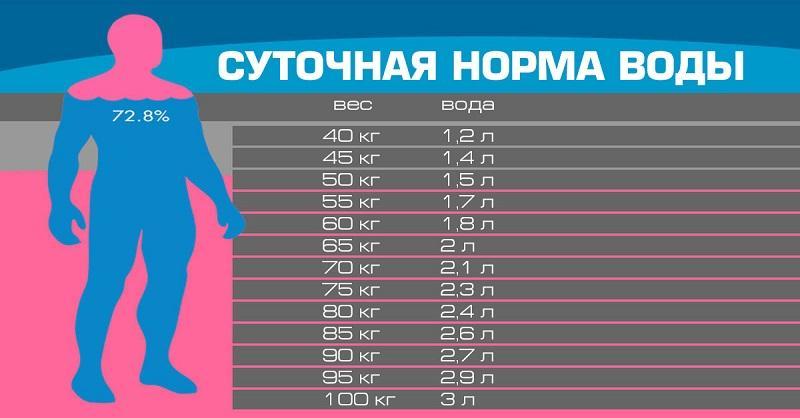
Reducing the rate of water consumption leads to a slowdown in metabolism and metabolic processes
Deficiency of vitamins and minerals
The lack of any elements can also manifest itself as hunger after eating, but more often a person has a need for specific foods, for example, wants to eat something sweet or salty. It is possible to accurately find out the cause of such symptoms only after laboratory diagnostics (biochemical blood and urine tests), which will help determine what exactly is lacking in the body and in which quantities.
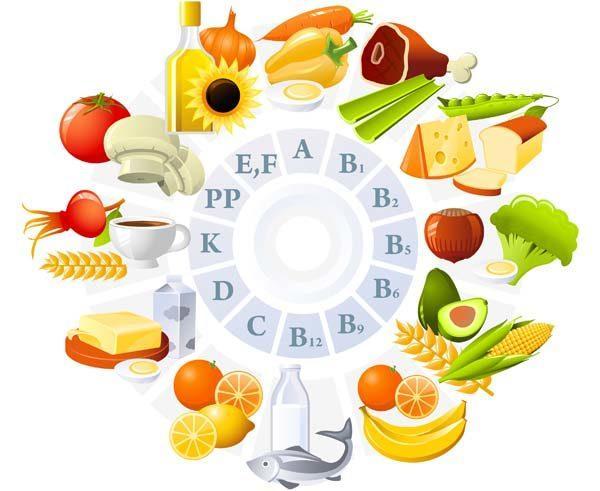
The feeling of hunger after eating may be a lack of essential trace elements and vitamins in the body.
The relationship of nutritional needs with the level of vitamins and minerals in the body
| What you want to eat (after a full meal) | What is missing | What products contain |
|---|---|---|
 Sweet |
Sulfur Phosphorus Chromium Selenium |
Fish, dried fruits, chicken meat, quail eggs, some vegetables (spinach, broccoli, artichokes). |
 Salty |
Sodium Chlorine |
Seafood, fish, all kinds of lettuce and greens, seaweed. |
 Fatty and smoked |
Calcium | Dairy products, nuts, cereals (oatmeal, rye, barley), cheese. |
Important! If a person cannot say what exactly he wants (that is, a systemic feeling of hunger arises), this may be a symptom of a lack of certain amino acids. To cope with the problem, you should regularly include fatty fish, seafood, good quality vegetable oils, meat in the menu.
Lack of saturation with pathologies of the nervous system
Neurotic disorders, psychosis, depression can be accompanied by the appearance of a feeling of hunger after eating, forcing a person to consume a large amount of food. If you do not take timely measures to correct this syndrome (in medicine, an unhealthy, increased appetite is called hyperrexia), this will lead to the development of serious diseases: obesity, atherosclerosis, diabetes mellitus, ischemic disease hearts.

Causes and consequences of hyperrexia
In almost 90% of cases, hyperrexia is combined with bulimia nervosa - an acute pathology of the central nervous systems in which a person has uncontrollable bouts of hunger, and neurotic deviations. They consist in excessive concern about their own weight, as well as feelings of guilt that arise after eating food. The feeling of hunger with bulimia can appear at any time, but most often it occurs during a night's sleep or a short time after eating (about 15-30 minutes).

With bulimia, hunger often bothers you at night.
You can understand that the patient needs the help of a psychologist and psychotherapist by the following signs:
- uncontrolled bouts of hunger, leading to constant overeating;
- eating food in large quantities that do not meet the physiological needs of the body;
- excruciating feelings of guilt after eating (even if the portion eaten was small);
- regular use of methods of mechanical gastric cleansing (vomiting, laxatives, etc.).

If a person regularly vomits to get rid of food, this indicates psychological problems.
Treatment of bulimia nervosa is a complex and lengthy process that is controlled not only by a neurologist and psychotherapist, but also by specialists of a different profile, for example, an endocrinologist, nutritionist and gastroenterologist. The therapy regimen includes therapeutic and prophylactic nutrition with a limited content of fats and carbohydrates (selected individually), correction of physical activity, taking vitamins to increase the general tone and antidepressants (in the case of necessary). Family psychotherapy is an important stage, since experts recognize complex relationships in the family as one of the causes of bulimia.

Family therapy is an important step in the treatment of eating disorders
Digestive system diseases
With a regularly occurring feeling of hunger after eating, especially if it is accompanied by painful sensations in the epigastric region, it is necessary to contact gastroenterologist, since the most likely cause of such disorders is diseases of the digestive system, the most common of which listed below.
-
Hyperacid gastritis. If a person suffers from chronic inflammation of the stomach with increased acidity of gastric and duodenal contents, he may periodically experience "hunger pains" after eating. This is due to the fact that the excess hydrochloric acid remaining in the stomach after the digestion of incoming food damages the mucous membranes of the organ and the nerve receptors located in them.

Varieties of gastritis with high acidity
-
Pancreatitis With inflammation of the pancreas, the feeling of hunger after eating is always combined with painful sensations in the epigastric region and dyspeptic disorders (flatulence, bloating, nausea). A person often feels hungry, despite the heaviness in the stomach and a feeling of painful distension in the epigastric region.
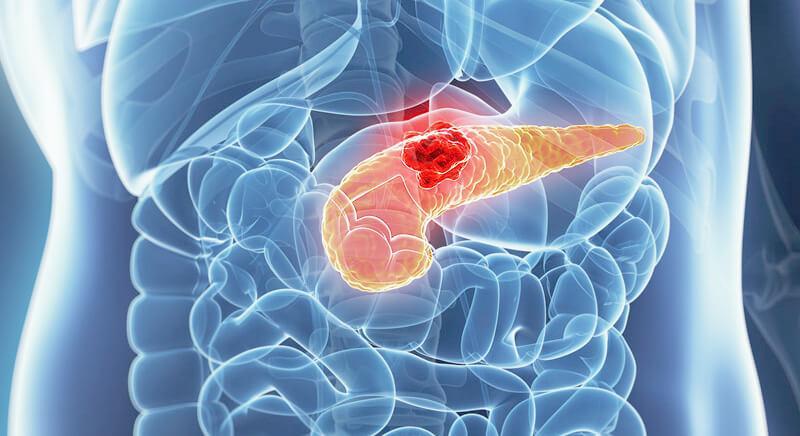
Pancreatitis often presents with hunger after eating
-
Peptic ulcer disease. A typical sign of the presence of local ulcerative defects on the mucous membranes of the stomach and duodenum intestines are hungry pains that appear mainly in the morning and disappear after ingestion food. Despite this, the feeling of hunger can persist for 1-2 hours after eating, so about 35% of patients with this diagnosis face such a problem as overeating.
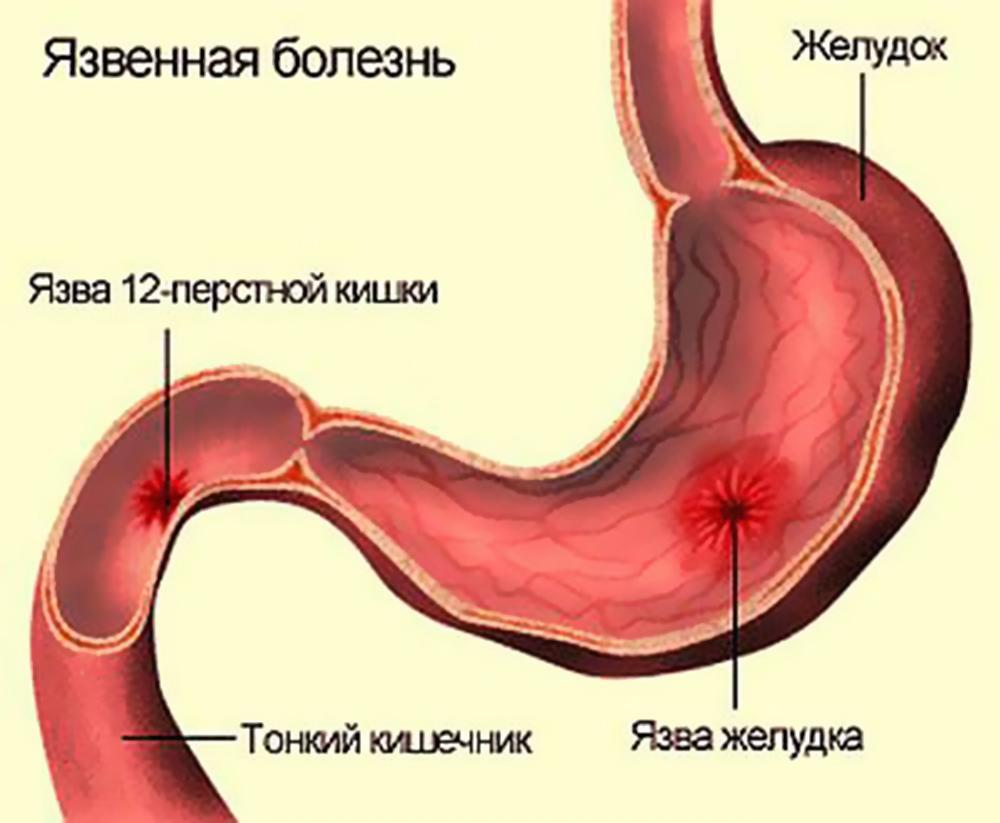
Peptic ulcer disease has a whole list of characteristic symptoms, including hunger pains after eating
To cope with the feeling of hunger in these diseases, it is necessary to carry out primary therapy aimed at correcting the underlying pathology. In most cases, patients with an ulcer or gastritis are shown a constant diet according to the principle of fractional nutrition and drug treatment during exacerbations.
Caution: diabetes mellitus
Lack of satiety after a meal can be one of the early signs of diabetes. This is a serious disease of the endocrine system, in which the secretory function of the pancreas is disrupted, and a person develops partial or complete insulin deficiency.
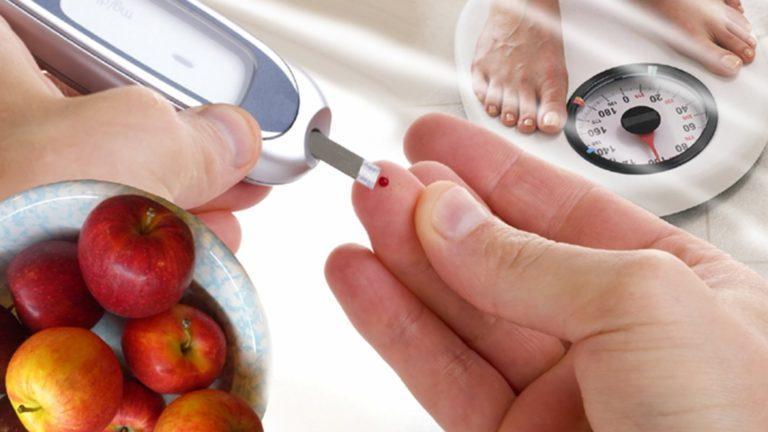
Diabetes mellitus is one of the reasons for the feeling of hunger after eating.
Insulin is a peptide (protein) hormone necessary for the regulation and implementation of carbohydrate metabolism and the transport of glucose - the main energy "fuel" for all cells and tissues. If, despite the observance of the rules of a healthy diet and correction of eating habits, hunger after eating persists for for a long time, you should consult a doctor and take blood tests to determine the level of glucose in the blood and insulin resistance.
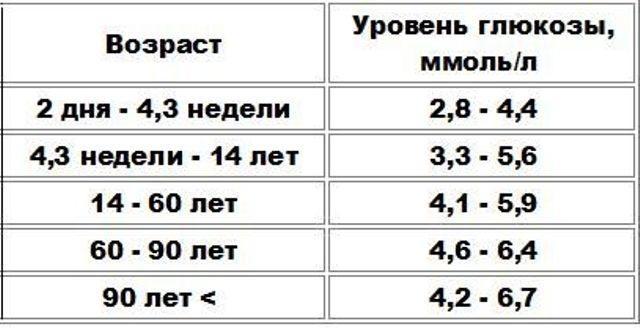
Norms of blood glucose depending on age
An endocrinologist's consultation and initial laboratory diagnostics are also necessary for those who have a lack of satiety after a meal, accompanied by the following symptoms:
- excessive sweating;
- swelling of the hands and feet;
- constant thirst, forcing a person to consume a lot of fluids;
- increased urination with the release of an increased volume of urine;
- dry mucous membranes;
- itchy skin;
- muscle weakness and joint pain;
- decreased visual acuity.
If the diagnosis is confirmed, the doctor will prescribe the necessary treatment (hypoglycemic drugs, diet, insulin injections).

Basics of diabetes therapy
Note! An important condition for the formation of a favorable prognosis for future life is the normalization of the diet and weight control. Dramatic weight loss in diabetes mellitus leads to the accumulation of acetone in the urine, which is released as a result of the oxidation and decay of fat cells. When critical indicators are reached, acute intoxication of the body and the development of a systemic inflammatory reaction may occur.
Hormonal abnormalities
Diagnosis of hormonal disorders during attacks of hunger after eating is an obligatory stage of the examination, since it is hormones that are responsible for achieving the saturation effect and transmitting the corresponding impulses to the brain (signals). 4 hormones are responsible for controlling appetite in humans.
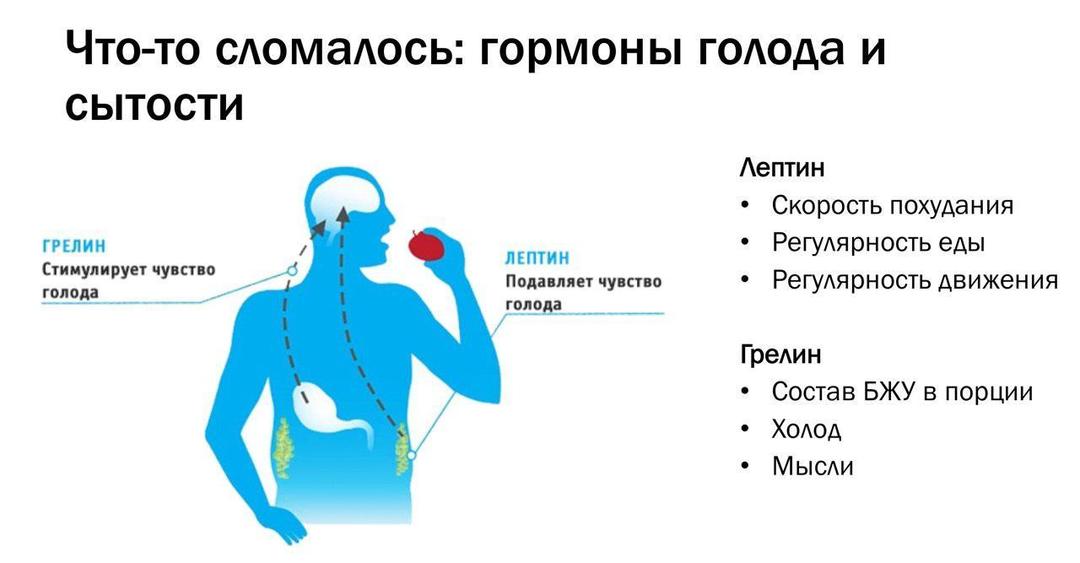
Special hormones are responsible for appetite control
Appetite-regulating hormones
| Hormone name | Where is synthesized | Functions |
|---|---|---|
| Insulin | Pancreas | Regulates carbohydrate metabolism, sends a signal to the brain about saturation. |
| Leptin | Adipose tissue | Regulates energy metabolism and hunger. |
| Ghrelin (hunger hormone) | Adipose tissue | In increased quantities, it can cause eating disorders, provoked by the feeling of constant hunger. |
| PYY (peptide hormone) | Small intestine (after eating) | Suppresses appetite. |
What to do if you feel hungry after eating?
So that hunger after eating does not appear within 2.5-3 hours, it is necessary to correctly draw up the daily menu. One should contain about 80-100 g of protein, 45-50 g of fat and 120-150 g of carbohydrates, while the ratio of nutrients in each of the main meals should be approximately the same. Products should be as nutritious as possible, without a lot of chemical additives: flavors, dyes, preservatives, etc.
The diet should be as balanced as possible.
The tips below will also help to normalize digestion and ensure a healthy appetite.
- You need to eat in a relaxed atmosphere. It is advisable to use beautiful dishes and set the table according to personal preferences - this will help improve your mood and achieve emotional relaxation.

Beautiful dishes and serving, combined with a pleasant calm atmosphere during meals, have a beneficial effect on the digestive processes
- You need to chew food thoroughly, since it is mechanical grinding and saliva processing that is the primary stage of digestion.
- While eating, you should stop reading newspapers and magazines and watching TV. You cannot eat while sitting at the computer.

While eating, you can not be distracted by the computer or TV, solve work problems
- The temperature of the food served should be neither too cold nor too hot to avoid damage to the mucous membranes and increased production of hydrochloric acid, provoking "hunger pains" after eating.
If, despite this, the feeling of hunger after eating does not go away, you can use one of the proven and safe methods.
5 ways to deal with post-meal hunger
You can use the methods listed below only as an emergency measure to alleviate the condition, but for regular eating disorders, care should be provided in a health facility.

For serious eating disorders, see a specialist
Method 1
Regular drinking water helps to cope with hunger. To muffle the feeling of hunger, it is enough to drink a glass of water at room temperature, having previously released gases from it (if the water is carbonated). You can add a leaf of slightly crushed peppermint to the water - it has a calming effect and helps regulate appetite.

Water helps to dampen hunger
Method 2
If you feel very hungry after a meal, you can make a cup of mint or chamomile tea. You need to drink it slowly, in small sips, without adding tea and other sweeteners (honey, jam), since sugar will help to quickly return hunger.

Unsweetened mint tea is also good at dampening hunger and helping to reduce discomfort until your next meal.
Method 3
In some cases, you can cope with hunger with chewing gum, but this method is not suitable for people with chronic diseases of the gastrointestinal tract.

Chewing gum allows you to temporarily get rid of hunger, but this method is not suitable for gastrointestinal diseases
Advice! To preserve dental health and prevent diseases of the oral cavity, it is recommended to replace ordinary chewing gum with taiga resin, which is sold in pharmacies.
Method 4
Ground wheat fiber copes well with hunger. To regulate appetite, it is enough to consume it 2 times a day, 1-2 teaspoons (pre-mix with any thick product).

Wheat fiber is great for reducing hunger and has a beneficial effect on the digestive tract
Method 5
With the neurotic nature of hunger, you can use the following method: put food in your mouth that you want to eat at the moment, and chew it thoroughly, but do not swallow it, but spit it out. This method helps to "trick" the taste buds, as a result of which the cravings for food are muffled.

To muffle hunger, you can simply hold food in your mouth.
Feeling hungry after eating is a serious problem that, if not a symptom of diseases, can cause them occurrence, since unhealthy appetite is one of the main factors in the development of obesity, diabetes mellitus and other diseases. With long-term persistence of such symptoms, it is important to consult a doctor in a timely manner and find out. the reason, since in some cases the patient may need a specific medication correction.