Diarrhea after antibiotics: quick treatment, causes
Antibiotic is a drug designed to slow down the growth of microbial flora. The drug has a bactericidal effect, which determines the ability to create conditions where the existence of microbial cells is impossible. The bactericidal effect is the reason that the antibiotic is used in the treatment of these diseases:
- gastrointestinal tract;
- skin;
- urinary organs;
- ENT organs;
- respiratory organs.
Antibiotics are effective for treating infectious diseases. However, like many drugs, antibiotics have side effects (ranging from mild nausea to kidney and liver failure). The most unpleasant secondary effect when taking antibiotics is that the drugs cause severe diarrhea.
Content
-
1 The reasons for the development of diarrhea
- 1.1 Intestinal dysbiosis
- 1.2 Laxative effect of the drug
- 1.3 Pseudomembranous ulcerative colitis
- 2 Diarrhea treatment
-
3 First aid
- 3.1 Pharmacy medicines
- 3.2 Folk medicines
- 4 Diet food
- 5 Rules for taking antibiotics
The reasons for the development of diarrhea
Because of their effectiveness, antibiotics are often used to treat various diseases. More and more people began to self-medicate with the drug. If you use a medicine too often, its effectiveness decreases, the human body gets used to it and stops responding to the active substance. When using the drug on its own, it is often used incorrectly, which provokes the appearance of side effects after antibiotics.
A common side effect of antibiotic use is antibiotic-associated diarrhea. the occurrence of which is due to the regular use of penicillins, cephalosporins or a number of drugs simultaneously. There are other prerequisites for loose stools after taking this drug.
Intestinal dysbiosis
The first reason diarrhea can begin is intestinal dysbiosis (disorder). The appearance is due to the use of antibiotics of the aminoglycoside groups, tetracyclines.
The human body contains bacteria that arise against the background of taking antibiotics when the microflora changes. The antimicrobial drug destroys the necessary bacteria responsible for the vital activity of the stomach (bifidobacteria, lactobacilli) along with harmful bacteria (pathogenic flora). Due to the imbalance of harmful microorganisms, there are predominantly more beneficial ones. The urge to defecate occurs due to the stimulation of intestinal smooth muscles.
Laxative effect of the drug
If the diarrhea started due to antibiotics, a laxative drug may have been used. This secondary action lasts a couple of days. This side effect is typical for drugs that enhance intestinal motility, for example, the macrolide group.
Pseudomembranous ulcerative colitis
One of the reasons for the appearance of diarrhea from taking antibiotics is considered pseudomembranous ulcerative colitis. The appearance is due to the prolonged use of the drug or the intake of one type of antibiotic. The pathogenic microorganism Clostridium difficile causes harm to the body, it is difficult for the human body to get rid of the microbe. The microorganism Clostridium difficile is resistant to antimicrobial drugs.
Pseudomembranous ulcerative colitis is usually considered a separate disease, it is characterized by the following symptoms:
- copious, loose stools;
- emptying the intestines up to 30 times a day (discharge is greenish in color, putrid odor);
- increased body temperature;
- weakness of the body, dizziness;
- I have a stomachache;
- migraine;
- vomit.
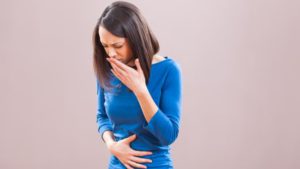
If you experience the symptoms described, you should immediately contact a medical facility. Ignoring the disease will lead to the development of complications, dehydration of the body.
Diarrhea treatment
The onset of diarrhea is observed at the beginning of antibiotic use and during treatment. For the treatment of diarrhea, medicinal, folk methods are used. For recovery, an integrated approach is used, including the use of restorative drugs and a specially developed dietary regimen.
Diarrhea associated with antibiotic use must be treated promptly and promptly. When the first symptoms occur, you should see a doctor immediately. The most dangerous thing in such a situation is to heal yourself. Such actions are accompanied by complications in the form of side effects.
First aid
First of all, with diarrhea caused by antibiotics, it is necessary to interrupt the use of the medication. The method of treatment is influenced by the age of the patient. Depending on the age category, the treatment is different:
- Babies. This age category requires urgent medical attention. Especially when observing signs of dehydration: fainting, dry skin, weight loss, lethargy, weakness.
- Child under 18 years old. We need a consultation with a local pediatrician who will prescribe a suitable method of treatment. In a child at a young age, the gastrointestinal tract is not completely formed. In order not to cause complications, you need to use only drugs prescribed by your local doctor.

- Adults. If an adult has symptoms, see a doctor immediately. If the frequency of stool is less than five times a day, there is no suspicion of pseudomembranous ulcerative colitis, 1-2 capsules of Loperamide are drunk before taking. After taking this drug, it significantly improves the condition. Seeing a doctor is mandatory for symptoms: nausea, abdominal pain, fever, diarrhea does not go away.
Pharmacy medicines
Medicines are prescribed by the attending doctor. Self-healing can harm a person, causing complications. Prescribe means that normalize the work of the intestines, due to the beneficial microflora contained in them. Means prevent diarrhea, restore intestinal microflora. The doctor decides what medication to prescribe. The doctor starts from the present symptoms, diseases, the patient's condition. The most effective medicines:
- Loperamide. It is prescribed for severe diarrhea. Differs in speed. Available in the form of tablets, capsules and drops. Allowed to be taken by children over 4 years old, women during pregnancy.
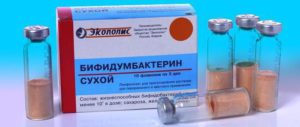
- Bifidumbacterin. A similar remedy, however, the effect occurs after 2-3 applications. Suitable for treating children.
- Linex. One of the most popular treatments for diarrhea. Differs in its efficiency and safety. Works from the first day of use.
- Imodium. A quick remedy for diarrhea, it helps within an hour after application. Available in tablets. It has contraindications: children less than 6 years old, pregnant and lactating women, individual intolerance to the components.
Folk medicines
You can stop diarrhea with folk remedies. The most common is herbal medicine. For diarrhea, they mainly use: oak bark, cinquefoil, green tea. It is possible to make herbal tea from these ingredients. Take a few teaspoons of the component, pour boiling water for 10 minutes, wait until the drink cools down, then drink. Decoctions of nettle, yarrow, St. John's wort help to cope with the disorder, contributing to the increase in microorganisms.
During loose stools, dehydration occurs, therefore, the water balance is disturbed. Its recovery is based on the saturation of the body with water. You should drink about 3 liters of water per day. It is advisable to remove the use of fiber, flour, fruits from the daily diet. The influence of the above products is undesirable in case of illness.
Diet food
An important role for the fastest recovery is played by the diet. The essence of the diet: for a week, you should eat certain foods in small portions every 3 hours. In the first stages, they consume a large amount of water, herbal teas (see above). It is advisable to stick to a food list that includes:
- fermented milk products;
- boiled eggs;
- baked apples;
- vegetable puree;
- jelly;
- crackers;
- buckwheat, rice porridge;
- vegetable soups;
- dietary meat.

Products should be excluded from the daily diet:
- fiber;
- semi-finished products;
- margarine;
- sausages;
- canned food;
- all kinds of sweets.
The diet is followed until the signs of the disease disappear completely.
Rules for taking antibiotics
Most often, a deterioration in people's well-being appears if medication is used incorrectly. For this reason, you should remember the rules of application:
- take into account the doctor's recommendations;
- read the instructions, follow the recommendations;
- use the appropriate dosage (frequent use causes side effects);
- during the use of medications (especially after injections), it is advisable to reduce physical as well as psychological stress (avoid stress, intense physical exertion).
To prevent loose stools, an adult uses probiotics.
Follow the rules for taking antibiotics and remember: the sooner you start treatment, the sooner you will recover. Be healthy!