Loose stools during early pregnancy: causes and treatment
Girls who are expecting a baby are in awe of health. Pregnancy, especially the first trimester, is often accompanied by nausea, vomiting in the morning and other unpleasant processes. Such a phenomenon as diarrhea worries the expectant mother, sometimes serious diseases that can adversely affect the health of the unborn child become the causes of malaise. The pathology that caused loose stools in the first trimester requires diagnosis and immediate treatment.
Content
-
1 Causes and diagnosis of diarrhea in pregnant women
- 1.1 Diarrhea causes
- 1.2 Diagnosis of the diseases that caused the disorder
-
2 Treatment
- 2.1 Drug treatment
- 2.2 Viruses cause diarrhea
- 2.3 Bacterial infection
- 2.4 Poisoning
- 2.5 Folk recipes
- 2.6 Diet
- 3 Why diarrhea is dangerous in the early stages
- 4 Prophylaxis
Causes and diagnosis of diarrhea in pregnant women
Since the woman's body during this period is preparing to perform new tasks, and the immunity is reduced - liquid stool at the initial stage of pregnancy acts as a manifestation of early toxicosis and is indirect sign
pregnancy with nausea and vomiting. More often, the diarrhea is short-lived, disappears the next day. Such a case does not require medical intervention. It is permissible to take motherwort to calm down, but special antidiarrheal agents are not needed. There are reasons that caused an undesirable reaction of the body, more serious.
Diarrhea causes
A lot of factors are known that can affect the functioning of the digestive system. The most common reason diarrhea in pregnant women girls becomes:
- Violation of the diet, excessive amounts of food consumed.
- Emotional disorder, nervous strain. Pregnant women are too susceptible to any event; even a routine visit to the doctor can be stressful.
- Food poisoning with food.
- Reception of exotic foods. New taste preferences during gestation can cause gastrointestinal upset.
- Overdose of laxatives.
- Taking vitamins can, in rare cases, provoke loose stools.
- Intestinal infection. The most dangerous cause of diarrhea is in the first trimester.
- Chronic diseases affecting the gastrointestinal tract. Gastritis can cause diarrhea if gastric juice is present in small quantities and food is not completely digested.
- Hormonal changes in the body. Hormones slow down the digestive tract.
Diagnosis of the diseases that caused the disorder
Initially, the doctor will prescribe a diagnosis so that the cause of the symptom becomes obvious. The tests that the doctor will require to pass for the diagnosis:
- Smear for intestinal dysbiosis.
- Enterobiasis smear.
- Stool examination.
- Bacteriological culture.
- UAC.
- Biochemical blood test.
When the disease is detected, you need to start immediate treatment.
Treatment
Doctors in extremely rare cases prescribe potent drugs during pregnancy to relieve symptoms; certain drugs can have a negative effect on the development of the fetus. First of all, it is recommended to adjust the woman's diet. Eliminate foods that weaken.
Drug treatment
If after a day the diarrhea does not disappear, drug treatment is required. A pregnant woman should not select her own medication. The appointment is made by the attending physician.
First of all, the doctor prescribes adsorbents for the woman that are safe for the fetus:
- Activated carbon.
- Polysorb - relieves intoxication.
- Smecta is a powder used for the development of diarrhea of various origins.
- Enterosgel is a drug with enterosorbent, antidiarrheal effects.
In addition to sorbents, it is recommended to take medications for rehydration of the body in order to replenish the lost fluid. For example, Regidron.
The drug Nifuroxazide has bactericidal and antibacterial properties. It is effective for viral intestinal infections and is allowed in early pregnancy. It is indicated for acute and chronic diarrhea. Loperamide-based antidiarrheal tablets are approved from 30 weeks.
Viruses cause diarrhea
Infectious diarrhea is extremely rare for prolonged periods. At the first stage, a woman must stabilize the condition by taking a rehydration agent. If the condition has worsened, hospitalization is necessary. In a hospital setting, droppers with ionic solutions are used. Smecta will help reduce diarrhea. A strict diet that excludes fatty and spicy foods, dairy products will contribute to a speedy recovery.

Bacterial infection
In addition to frequent loose stools, the patient may experience fever, fever, pain, nausea. If symptoms persist for several days, the condition requires immediate medical attention. It is not recommended for a woman to make attempts at self-treatment. The bacteria can be destroyed by an antibiotic prescribed by the attending physician. Self-medication is fraught with irreversible consequences.
Poisoning
When frequent loose stools have arisen due to poisoning with poor-quality food, you should not immediately take medications to normalize the stool. The body must naturally get rid of harmful toxins within 24 hours. If this does not happen in a day, they take action.
At the first stage, therapy consists in detoxifying the body by taking approved drugs: activated carbon, Smekta, Enterosgel.
Further, the doctor prescribes probiotics to restore the intestinal microflora after a previous illness.
Folk recipes
Selected natural recipes will become an alternative to medical intervention. Only if the diarrhea is not caused by bacteria or viruses. Some herbal remedies are contraindicated in pregnancy. The following funds are recognized as safe:
- The brewed pomegranate peel can be used instead of tea.
- Blueberry jelly after meals.
- Soothing mint tea, if the disorder is caused by an emotional disorder, nervous strain.
- Rice water stops diarrhea.
- Potato starch as a homemade adsorbent.
Do not forget that individual plants can cause an allergic reaction and only aggravate the situation. All medications taken should be reported to the doctor who is observing the woman.
Diet
The safest way to treat yourself during pregnancy is to follow a diet. Eating right and avoiding certain foods will help prevent the disorder or speed up recovery if symptoms have already started.
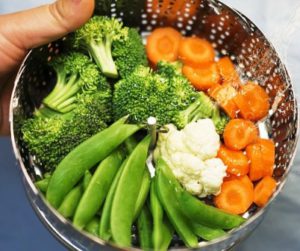
It is better to give up the use of dairy products while carrying a baby. Fruits and vegetables should not be eaten raw. Spicy, fatty foods irritate the intestines, which increases the manifestation of pathology. Rye croutons help restore microflora.
Doctors recommend drinking plenty of fluids, especially at the onset of the disease. The liquid is taken in the form of pure water without gas, weak tea, better than chamomile or compote of weak concentration.
After a day, it is permissible to eat porridge cooked in water. If the condition has improved, you can eat boiled lean fish or meat, except pork. Meals are recommended fractional and frequent.
Even after the symptoms disappear, a gentle diet should be followed for some time. In order for the digestive tract to return to normal, one should not overload it with heavy food in large quantities. It will take at least a week to fully recover. But then the woman must control the food.
Why diarrhea is dangerous in the early stages
Abundant long-term liquid stool is dangerous not only for a woman, but also for the health and even the life of the unborn baby. The microorganisms that caused the disorder penetrate the fetus, which can affect its development. A child with a painful condition of the mother does not receive useful microelements.
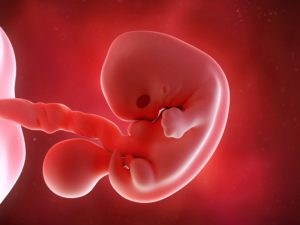
Dehydration and severe intoxication also negatively affect the child. Frequent loose stools cause the uterus to contract, which can lead to miscarriage. If diarrhea caused by bacteria accompanies a woman in her fourth week of pregnancy, it will affect the baby's heart. Starting from the sixth week, a protective layer is formed - the placenta, which creates a barrier for infections and microorganisms on the way to the fetus. The most dangerous disorder is considered in the seventh week of gestation.
A woman should urgently call for medical attention if she has symptoms:
- Abundant loose stools up to ten times a day.
- Severe dizziness and weakness.
- Increased body temperature.
- Nausea, vomiting, intestinal spasm.
- Mucus, blood is present in the stool.
- Signs of dehydration include dry mouth, dry lips, and occasional urination.
Prophylaxis
The regulation obliges a woman to be attentive to her health and personal hygiene. Wash hands whenever possible, rinse fruits and vegetables thoroughly. Heat-treat food. It is better for pregnant girls to eat freshly prepared food, focusing their diet on boiled foods and low-fat foods. It is better to eat often and little by little, avoiding overeating.
Frequent walks in the fresh air are recommended, in places where the congestion of people is small.
If the first trimester fell on the winter months, it is necessary to take vitamin complexes for pregnant women. It is better to refuse to visit restaurants and cafes.
Diarrhea during pregnancy is an unpleasant moment while waiting for a baby. Diarrhea can occur at any time, but malaise is especially dangerous in the first trimester, when the fetus is forming. It is better to prevent loose stools by taking simple preventive measures. If this does happen, it is important to take timely measures and first of all report the symptoms to the doctor.