Diarrhea after antibiotics in a child: what to do, safe methods of treatment
Chemotherapy drugs have become popular for their antimicrobial effects. In most diseases of children, the doctor prescribes a course of taking antibiotics, in addition to treating side effects that cause serious damage to the body.
A side effect is a dysfunction of the gastrointestinal tract, diarrhea, which must either be treated or prevented.
In children from birth to 10 years old, together with the body, immunity is gradually formed. Young children have unstable intestinal microflora. The biota in adults is an important part in the digestion of food, protection against pathogenic microbes. At a young age, protecting the baby from negative influences is the main duty of the parent, otherwise the pathogen can lead to serious complications.
Content
-
1 The effect of medications on the gastrointestinal tract
- 1.1 Symptoms of impaired motor function of the gastrointestinal tract
- 2 Antibiotic as a cause of dysbiosis
-
3 Prevention of diarrhea
- 3.1 Which medicine to choose
-
4 Dieting
- 4.1 Diet for babies
- 4.2 Diet for one year olds and older
- 5 Diarrhea treatment
The effect of medications on the gastrointestinal tract
Antibiotics belong to chemotherapeutic agents, with two spectra of effects on microorganisms:
- Broad spectrum of action;
- Narrow spectrum of action.
Medications with a narrowly targeted spectrum of action rarely cause severe digestive disorders.
Broad-spectrum drugs often lead to motor, absorption dysfunctions of the intestine - possible symptoms of baby intoxication (low-grade fever, weakness, drowsiness, pallor of the skin covers).
Symptoms of gastrointestinal dysfunction:
- Constipation.
- Bloating.
- Frequent belching.
- Colic.
- Foamy, possibly slimy, green stool. There is no inflammation, a strong rise in temperature.
Symptoms of impaired motor function of the gastrointestinal tract
Chemotherapy drugs affect the smooth muscle cells of the stomach, intestines, increasing or decreasing contractile activity, or do not affect it.
For example, erythromycin enhances motor function, so the digested food passes faster through the digestive tract and is not properly absorbed by the body. At the same time, the baby has a strong loose stool.
Other medications can, on the contrary, worsen motor function - there will be an accumulation of gases (bloating), constipation. Large, hard fecal masses can damage the intestinal lining during bowel movements.
Symptoms in case of impaired absorption of the gastrointestinal tract:
- Loose stools.
- Dehydration of the body. It manifests itself as dry mouth, urine with a strong odor and dark color, rapid breathing and an increase in the number of heartbeats.
- Feeling of weakness in the body - nutrients are supplied in small quantities.
After stopping the medication, the symptoms of the negative effect of the medication on the mucous membranes of the digestive tract also stop. However, this does not always happen.
Antibiotic as a cause of dysbiosis
The drug often has a side effect on the intestinal microflora. And if the baby's intestines are affected, the pathology sometimes lasts for weeks.
The intestinal microflora is made up of obligate and facultative microorganisms.
- Obligate: lactobacilli, bifidobacteria, enterococci - microorganisms necessary for normal life, digestion, protection.
- Optional: Mushrooms of the genus Candida, clostridia, klebsiella, protozoa, staphylococci - conditionally pathogenic microbes include showing pathogenetic properties under conditions favorable for reproduction, for example, with a decrease in immunity or dysbiosis.
Meaning:
- They participate in the breakdown of the incoming products, releasing enzymatic substances into the intestinal lumen that have the ability to enhance catalytic processes.
- Vitamins of group B are synthesized.
- Antagonists for pathogenic and opportunistic microbes - prevent their growth, development and reproduction.
- They create a special membrane on the mucous membrane of the digestive tract, while protecting against the penetration of a foreign agent into the body.
- They directly affect the motility of the gastrointestinal tract and indirectly affect other physiological processes of the body.
Thus, when taking some chemotherapeutic agents, disturbances of the most important balance of microbes in the intestine can occur.
Prevention of diarrhea
"The best treatment is prevention." It is important and easier to prevent the disease than to treat and get complications after antibiotics later. This is an axiom for parents.
Which medicine to choose
An adult should not self-medicate. An antibiotic is a serious, even dangerous medicine, with many side effects. The doctor alone can choose the drug for the patient.
- The doctor will establish the genus, type of microorganism that caused the disease.
- He will select a medication according to the sensitivity of the microbe to it.
- Will choose the minimum therapeutic dose, taking into account side effects from antibiotics.

Why is it important to buy the drug prescribed by the doctor:
- During the selection, the characteristics of the organism were taken into account.
- The correct dosage is selected - if the dose is incorrectly selected, mutations can appear in microbes, making walls, membranes, genetic information resistant to this chemotherapeutic medicine. The situation poses a danger to humanity, because the pathogen is now more difficult to destroy, other means with a strong bactericidal effect will be required.
- He will select a diet while taking an antibiotic and other drugs that minimize side effects.
So, as a result of self-medication, the child's health can deteriorate, harm others by infecting a resistant pathogen.
Dieting
Hippocrates - the father and founder of medicine, believed - "Food should be medicine, and medicine should be food." This says about the following: you need to support the body itself - the main defense mechanism in pathological conditions. The diet depends mainly on the age of the child.
Diet for babies
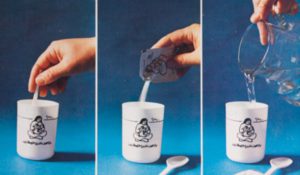
If the baby has moderate or mild diarrhea, he should be fully fed with breast milk. In small portions and often. Between feedings, it is necessary to give rehydration solutions, but so that the baby does not vomit after taking it. The child's body should receive about 1-2 teaspoons of fluid every 10 minutes.
If the baby is artificially fed, the nutrient solution must be made diluted with water at first 1: 2, then gradually switch to 1: 1. In this case, rehydration solutions are given 5-6 hours before feeding.
Diet for one year olds and older
If the child is a year old or older, the baby needs to be fed often in small portions. The diet should include:
- Low-fat soups and cereals without oil (good for diarrhea, thickening feces);
- Crackers;
- Kissels and compotes;
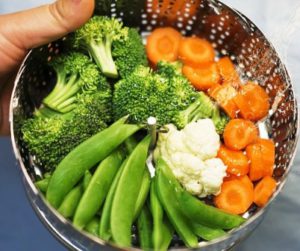
- Puree, baby food made from fruits, vegetables.
It is worth giving up:
- Chocolate and cocoa;
- Fruit;
- Smoked products;
- Fatty foods;
- Nuts, legumes.
Rehydration products should also be offered between feeds, following the instructions.
Preparations that protect the intestinal microflora of the baby:
- Lactic acid lactobacilli (Lactobacterin);
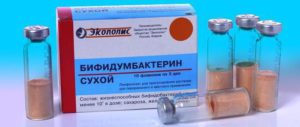
- Bifidobacteria (Bifiform, Bifikol);
- Complex options that contain several elements (Linex, Enterol, Hilak forte).
These medicines help with the side effects of antibiotics, but must also be prescribed by a doctor. Otherwise, they can lead to increased diarrhea and vomiting.
Diarrhea treatment
Treatment for diarrhea due to antibiotics should be divided into 3 interrelated stages:
- Normalization of water-salt balance. To normalize the water-salt balance, you need to often drink liquid in small portions. The use of rehydration solutions (Rehydron, Oralit) also helps a lot. These funds must be prepared strictly according to the instructions, since if it is not followed, the child's condition may worsen.
- Thickened stool. With frequent diarrhea (more than 4 times a day), you need to thicken the child's feces. This can be done by taking Smecta, Atoxil. It is worth remembering that after thickening of the stool, taking the medicine should be stopped, because otherwise there may be constipation.
- Normalization of intestinal microflora. To combat dysbiosis, a lot of drugs have been developed (Hilak Forte, Linex), but they need to be taken only according to the instructions of the attending physician if the doctor found a violation of the microflora in the child.
Chemotherapeutic agents are saviors that give an exhausted body the ability to fight infectious diseases. The danger lies in the fact that against the background of taking or after taking antibiotics, various complications can begin:
- Diarrhea;
- Dysbiosis;
- Disorders of the gastrointestinal tract.
Therefore, it is necessary to take the drug correctly, following the instructions and instructions of the doctor.