Burning sensation in the anus after diarrhea: what to do, how to treat
Every person has experienced diarrhea at least once. As a rule, people do not consider this a problem, attributing it to poorly digested food. But sometimes after a bowel movement, there is a burning sensation and itching in the anus, which cause a lot of unpleasant sensations. Before treating a bowel disorder, you need to understand why there is a burning sensation and pain after diarrhea.
Content
-
1 Causes of the phenomenon when there is a burning sensation in the anus after diarrhea
- 1.1 Causes of bowel disorder in different categories of people
- 1.2 Non-disease related causes of loose stools
- 2 Diagnostics
- 3 Treatment
- 4 Prophylaxis
Causes of the phenomenon when there is a burning sensation in the anus after diarrhea
In fact, many people experience discomfort after loose stools. Even children complain to their parents that after going to the toilet they sometimes "burn their butts." The main reasons why you may experience discomfort after diarrhea:
- The presence of bacterial or viral infections;
- Failure to comply with the rules of personal hygiene;
- The presence of worms or parasites in the body;
- Diseases of the rectum;
- Frequent consumption of spicy foods;
- Sexually transmitted diseases;
- Injury to the anus;
- Diabetes;
- Overweight;
- Diseases of the gastrointestinal tract;
- Stressful situations;
- Allergic reactions.
Causes of bowel disorder in different categories of people
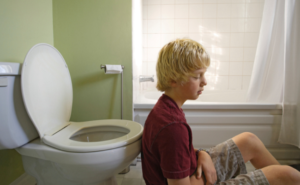
The causes of loose stools in humans are different. Children suffer from poor hygiene, parasitic infections, and mechanical damage.
The problem of pregnant women is diseases associated with the presence of bacteria or cracks resulting from excessive pressure of the fetus on the pelvic part of the body. Common complaints of the elderly are diabetes mellitus, hemorrhoids, diseases of the liver, pancreas, and gallbladder.
Pathogenic microorganisms are often the cause of pain in the anus. Bacteria, viruses have an irritating effect on the intestinal mucosa, causing frequent bowel movements. With the direct effect of bacteria on irritated mucous membranes, a strong burning sensation is felt. If the cause of pain in the anus is a staphylococcal infection, then, in addition to a burning sensation, a rash may appear on the skin. Diarrhea caused by bacteria or viruses is accompanied by an increase in temperature, the appearance of mucous lumps, and intoxication of the body.
Poor hygiene often causes anal discomfort. The burning sensation will intensify if a person does not pay sufficient attention to hygiene of the anal area or irregularly changes underwear. Toilet paper is not able to absorb the entire volume of liquid feces, some of which remain on the sensitive skin around the sphincter. When moving, a mixture of liquid and fecal matter leads to the formation of small lesions that cause a burning sensation. Lack of hygiene leads to increased irritation caused by the increased number of bowel movements, accelerating the spread of infection and worsening well-being.

Severe pain after using the toilet, itching in the sphincter area is a characteristic phenomenon during parasite infestation and helminthic infestations. The most frequent "guests" of the human body are pinworms. Due to the secreted toxins, their presence accompanies frequent diarrhea. A person involuntarily scratches the skin around the anus, causing microcracks, redness, and irritation. Often the appearance of diarrhea is stimulated by lamblia, which interfere with the absorption of water and lead to intoxication of the body. Sometimes the intestines become the "place of residence" of parasites. The anus may begin to itch and burn even before a person suspects the presence of pathogenic microorganisms. It is worth paying attention to symptoms such as a strong feeling of hunger, general intoxication, weight loss. With diarrhea, accompanied by the release of greenish mucus, the release of an unpleasant, pungent odor, it is recommended to seek medical help. The sooner the parasite is identified, the more effective the treatment will be.
The anus can burn after diarrhea if a person has gastrointestinal diseases. Diseases of the stomach, tumors of various etiologies, polyps, fistulas, hemorrhoids, condylomas, warts often cause severe pain and burning after diarrhea. A stomach ulcer with hemorrhage also causes discomfort if the blood hardens and forms sharp-edged clots that damage the sphincter when released. The disease is accompanied by an unpleasant odor of feces, vomiting, nausea, the appearance of blood impurities in the feces.
People who are addicted to spicy foods are also advised to be careful. Moderate consumption will not harm the body, and regular consumption irritates the intestinal mucous membranes and rectum, which can cause acute pain and burning sensation that does not stop for a long time time.
Sexually transmitted diseases can cause a burning sensation in the anus after diarrhea. In people suffering from such diseases, specific discharge from the genitals is strongly pronounced. These secretions serve as a favorable background for the multiplication of bacteria and fungi, as a result of which, with diarrhea, pain with burning occurs. The most common candidiasis. It causes not only severe discomfort in the genitals, but also irritation of the anus.
Even minor injuries to the anus can irritate the skin during bowel movements. Problems can arise from wearing overly tight underwear, synthetic underwear, using thick toilet paper. Using a razor to depilate around the anus can cause micro-cracks. When blood appears in the feces, you should be alert: bright scarlet blood indicates the presence of cracks, dark blood indicates hemorrhoids.
Such a serious disease as diabetes mellitus has a huge impact on the functioning of the whole body. The risk of diarrhea increases, firstly, since this disease adversely affects the digestive system. Secondly, diseases of the pancreas negatively affect the condition of the skin - it becomes dry, peeling occurs. After diarrhea, the skin around the anus dries even more, redness and irritation appear, which are not eliminated even by strengthening hygiene and using a cream.
Diseases of the gallbladder, liver, pancreas cause diarrhea, which soon becomes chronic. If intestinal disorders are caused by diseases of the liver or gallbladder, then enzymes, too acidic or alkaline bile, viruses, bacteria may be present in the feces. These elements can cause burning and itching in the anus. An acute attack of pancreatitis causes diarrhea, the texture of the stool changes, and pain around the sphincter may appear. The stool becomes liquid and frequent, its color is unpleasant gray due to the presence of unbroken fats. Frequent bowel movements irritate the skin, which causes discomfort after using the toilet.
Non-disease related causes of loose stools
It happens that a person experiences acute pain around the anus for no apparent reason. In such cases, it may be overweight. Overweight, obesity destabilize the normal functioning of the gastrointestinal tract, increasing the likelihood of diarrhea. Overweight people suffer from increased sweating, which also irritates the skin around the anus, causing itching and burning.

The psycho-emotional state of a person has a strong effect on the condition of the skin and gastrointestinal tract. Constant stressful situation leads to the development of irritable bowel syndrome. This pathology enhances peristalsis, accelerating the elimination of food from the body. Chronic diarrhea occurs, causing pain, burning, and itching around the anus. Emotional instability increases the sensitivity of the skin, dries it out, exacerbating the problem of itching in the anus.
Allergic reactions are another reason for the occurrence of unpleasant sensations after the act of defecation. A rash is added to the burning and redness. It is important to find out what exactly this reaction occurs to. The most common allergens include food, household chemicals or hygiene products.
Diagnostics
If other unpleasant symptoms occur simultaneously with diarrhea, for example, pain, burning, itching, fever, general deterioration, weight loss, you should immediately contact a proctologist for timely treatment diagnostics. After clarifying complaints, collecting anamnesis, mandatory examination, the following diagnostic measures should be carried out:
- General analysis of urine, blood;
- Blood sugar test;
- Blood chemistry;
- Analysis of feces for eggs of worms;
- Sowing feces for flora;

- Coprogram;
- Colonoscopy;
- Sigmoidoscopy;
- Ultrasound of the organs of the gastroduodenal zone.
Treatment
Therapy should be based on the specific diagnosis that caused the diarrhea.
- If an intestinal infection is detected, antiseptics and antibiotics are taken orally, diet, drugs that help restore normal intestinal microflora.
- Parasitic and helminthic invasions are treated with antihelminthic drugs and agents active against lamblia.
- If candidiasis is the cause of the burning sensation, antifungal drugs are prescribed.
- Patients with diabetes mellitus should undergo a course of treatment under the supervision of an endocrinologist with the indispensable control of the sugar level.
- The use of local heparin ointment and venotonics promotes the treatment of hemorrhoids.
- If the bowel upset is caused by a stressful situation, psychotherapy sessions, the appointment of sedatives are recommended. A moisturizer can help reduce itching and skin irritation.
- If the reason lies in an allergic reaction, you should exclude the allergen and take antihistamines.
Prophylaxis
It should be remembered, however, that prevention is the best treatment. It is possible to protect yourself from diarrhea and its unpleasant consequences by observing simple rules:
- Use soft toilet paper or tissues.
- Shower regularly after using the toilet.
- Once a year, to prevent the appearance of pinworms and other parasites (medicines are sold in pharmacies in the public domain).
- Wash hands with soap and water after visiting public places, defecating, before eating.
- Rinse vegetables and fruits thoroughly under running water.
- Adhere to the norms of proper nutrition, do not get carried away with fatty, fried, spicy, fast food.
- Minimize alcohol consumption.
- To carry out the correct heat treatment of dairy products, meat, fish.
- Monitor the expiration date of the food you eat.
- Drink only boiled or filtered water.
When burning, itching, redness of the skin occurs, it is extremely important to pay attention to personal hygiene. When choosing detergents and hygiene products, it is necessary to pay attention to the characteristics of the body and remember the possibility of an allergic reaction. It is important not only to eliminate diarrhea and the diseases that caused it, but also to control the condition of the skin around the anus.