Smecta for diarrhea: instructions for children and adults
Diarrhea always overtakes a person suddenly. Diarrhea does not care where the "happy" owner is: at home, at work or on the road. Knowing how to alleviate or eliminate a painful symptom is essential. Smecta is the most effective drug for diarrhea and vomiting. It belongs to a group of drugs called enterosorbents, or sorbents. Purpose - to absorb, like a sponge, chemicals hazardous to health: waste products of viruses and bacteria, traces of poisoning with household chemicals and spoiled food, technical fluids (gasoline, ethylene glycol, alcohols).
This medicine is of natural origin. Raw materials - the shells of marine animals. The main component is dioctahedral smectite (silicate salts of magnesium and aluminum). In addition to the main component, the preparation contains sweeteners: glucose and fructose. The reason for the introduction of additives is simple - in its pure form, the drug tastes nasty. Smecta for children is made with the addition of vanillin and orange flavor. It is necessary to offer this variant of the drug carefully - the child may react with an allergy. Ignoring the flavors, most adults prefer to drink the suspension in one gulp.
The drug is available in sachets of 3 or 3.76 grams. The package contains 10 or 30 bags with the drug. Powder color: light gray or dirty yellow. The release form is extremely convenient - no need to suffer with measuring spoons and glasses. Pour the contents into a glass of water, stir, and that's it! When diluted, the powder becomes like a thick gray or yellowish liquid soap. It is not absorbed into the intestines. Has the ability to relieve inflammation and pain. Slightly inhibits intestinal motility.
Intestinal peristalsis
Content
- 1 Pharmacokinetics (mechanism of action)
-
2 Indications for use
- 2.1 Side effects and overdose
- 3 Instructions for use for diarrhea
- 4 Advantages
- 5 Can pregnant women, lactating mothers and a one-year-old baby take Smecta?
- 6 Special instructions and advice
- 7 Shelf life and storage conditions
Pharmacokinetics (mechanism of action)
The medication stimulates the production of mucus in the intestines, which separates pathogenic microorganisms from the walls. The released mucus enters into a chemical reaction with the drug, combining with it. A lump of mucus, fecal residues and medication is excreted from the body through the rectum.
Indications for use
The drug is taken when:
- Diarrhea: chronic or acute (poisoning, intestinal infection).
- Allergic reaction to food or medicine.
- Poisoning with chemicals.
- As one of the components of the treatment of intestinal infections.
- With pathologies of the digestive system (gastritis, gastroenteritis, gastroduodenitis, stomach ulcer, cholecystitis) to relieve symptoms.
The drug should not be taken:
- Allergy to additives. It happens very rarely and only in children. The culprit is the vanilla or orange flavor.
- Intestinal obstruction and severe constipation. Due to the cleansing properties of Smecta, the volume of feces increases dramatically. If the intestines are affected by neoplasms, the remedy does not help, but exacerbates the situation. Surgery may be required.
- Pathologies of assimilation of glucose, sucrose, fructose and starch.
Side effects and overdose
The negative consequences of taking it can be called constipation due to a decrease in the activity of the intestinal muscles and allergic reactions to the main components of the drug. Long-term use (more than a week) and excessive dose causes constipation.

Instructions for use for diarrhea
For newborns and children aged 1 year: dilute 1 packet of powder in a quarter cup (50 ml) of boiled water and solder through a bottle. If the baby refuses to take the suspension because of the taste, it is worth trying the analogs of Smecta: Diosmectite or Neosmectin.
Child from 1 year old, adolescents and adults: pour the contents of the package with half a glass (100 ml) of water and stir until a homogeneous liquid is obtained.
The agent acts in 2-5 minutes after entering the stomach. Many medications don't work that quickly. This is an additional benefit to Smecta's piggy bank. The action lasts within 3-4 hours.
For the medicine to help, it is supposed to be drunk correctly. With loose stools:
- Children under one year old: 3 packs. - 3 days, then 2 packs / day.
- Children over 1 year old: 4 packs. - 3 days, then 3 packs / day.
- For adolescents and adults: 6 packs / day.
For other pathologies of the gastrointestinal tract:
- Children under one year old: 1 pack. / Day.
- Children over 1 year old: 2 bags / day.
- For adolescents and adults: 3 packs / day.
Treatment with Smecta is recommended for a week. Diarrhea usually resolves by the fifth day of illness.
The optimal time for reception is between meals. If the goal is to alleviate the symptoms of stomach diseases, Smecta is taken after meals. The use of other medicines after Smecta loses its meaning because of the sorbent properties. It will absorb all the active substances, and there will be no sense from the drugs.
Reception before meals is not recommended, since the drug, in addition to the enterosorbent, is a non-steroidal drug. This type of medication relieves inflammation and muscle pain. Reacting with hydrochloric acid in the stomach, Smecta harms the organ, provoking the development of ulcers.

Advantages
Smecta has a number of undeniable advantages over analogues, proven by experts and found in practice:
- Effectiveness in the fight against rotavirus infection. Many children from four to twelve years old suffer from pathology. Smecta removes more than 80 percent of pathogens from the body. This significantly speeds up the patient's recovery process.
- Supplement to solutions that regulate the water-salt balance. Due to the content of magnesium, potassium and sodium in the powder, the body partially restores the lack of these elements.
- Encourages the intestines to produce additional mucus. This allows you to cleanse the intestines of toxins and disease-causing organisms. Significantly reduces the time of onset of diarrhea.
- Pain relieving and antispasmodic effects. The composition of the drug relieves the unpleasant symptoms associated with digestive upset: bloating, pain, colic. Also, the drug reduces the activity of intestinal smooth muscles.
- Transparency for the X-ray machine. This means that you do not need to do a cleansing enema before taking an abdominal scan (to determine the source of back or lower back pain).
Can pregnant women, lactating mothers and a one-year-old baby take Smecta?
The drug is absolutely safe for babies and newborns. For pregnant and lactating mothers, taking the medicine will also not do any harm. The drug is not absorbed by the body and acts exclusively in the intestinal cavity. For this reason, the fetus does not come into contact with the product, the reception eliminates the need to express milk before taking it.
It is allowed to be taken to relieve pain and bloating, which provokes intestinal gas. The medicine is taken once or in a course of 3 days.

Special instructions and advice
When a child has diarrhea, remember to replenish lost fluid. The loss of 10% (of body weight) of fluid worsens the patient's condition: autointoxication begins and the production of hormones and enzymes is disrupted. And 20% threaten babies and newborns with death. The effects of dehydration in adults and adolescents are the same.
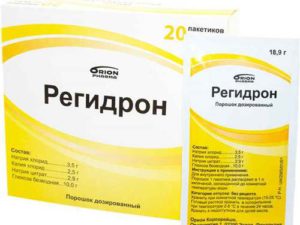
Dosages of rehydration solutions are selected taking into account the intensity of the diarrhea, the patient's age and the degree of dehydration.
For patients suffering from chronic constipation, the medicine is used in compliance with the dosage. You should wait one to two hours between meals and medication.
Smecta has a calming effect on the mucous membrane of the digestive system of the upper circle. If the vomiting is caused by irritation, the drug will help relieve the symptom.
In the bag of a person going on a trip, there should be a first aid kit in case of intestinal disorders. It includes drugs:
- Enzyme: Mezim, Pancreatin, Creon, Festal.
- For diarrhea: Smecta, Immodium, Enterosgel, Enterofuril, Rifaximin.
- For vomiting and nausea: Pipolfen, Betagistin, Diazepam.
- Antispasmodics: No-shpa (Drotaverin), Papaverine, Platifillin.
Shelf life and storage conditions
Store the drug in a dry and dark room at a temperature not exceeding 25 C. Shelf life - 3 years from the date of manufacture indicated on the package.
The use for the treatment of expired funds will not give the expected result due to the loss of properties. It is also possible to self-transform the drug into a toxic substance. This can cause poisoning.
Smecta is a medicine that is a must in a home medicine cabinet. The main advantages include the low cost of the drug and the almost complete absence of side effects. It is included in the list of a few medicines allowed for use during pregnancy and lactation.