Nausea, diarrhea, weakness and abdominal pain: what could it be, symptoms of what diseases?
Nausea, diarrhea, painful sensations in the abdomen can be signs of various diseases. All these symptoms signal disturbances in the functioning of the organs of the digestive system.
Content
- 1 Causes of symptoms
-
2 Symptomatic pathologies
- 2.1 Intoxication of the body
- 2.2 Intestinal infections
- 2.3 Early toxicosis
- 2.4 Colds
- 2.5 Diseases of the abdominal organs
- 3 Diagnostic methods
-
4 Therapy and prevention
- 4.1 In case of poisoning
- 4.2 With diseases of the digestive tract
- 4.3 With infectious diseases
- 5 Prophylaxis
Causes of symptoms
Each disease is characterized by certain symptoms and the order in which they appear. The reasons for feeling unwell can be inflammatory or infectious. At the first stage, it is important to exclude severe pathologies through a thorough diagnosis of the digestive tract organs.
Nausea and the urge to vomit can be caused by overeating, and diarrhea can be caused by alcohol abuse or intolerance to certain foods. Inflammation in the digestive tract is accompanied by upset stools for a long period, and requires diagnosis and complex treatment.
The appearance of all symptoms immediately indicates a serious infectious disease. Additional symptoms will help determine the cause:
- With food poisoning - a slight increase in temperature and sounds coming from the digestive tract.
- Bloody feces - satellites intestinal infection.
- With a peptic ulcer, in addition to the main symptoms, the patient has frequent belching, bitterness in the mouth.
- During pregnancy, at an early stage, girls often have stool disorder, nausea and vomiting. These are signs of toxicosis.

Symptomatic pathologies
Nausea, vomiting, diarrhea can be caused by various pathologies of the gastrointestinal tract and disorders in the digestive system, including:
- Food poisoning.
- Intestinal infections.
- Chronic pathologies of the digestive tract.
- Inflammatory organ diseases.
Often, these symptoms are observed in girls in the first trimester of pregnancy. In rare cases, they indicate serious pathologies.
Intoxication of the body
Eating food of inadequate quality and expired food, as well as food with a high content of nitrates, can be fraught with poisoning. A person's temperature can rise to 38 degrees. Pain in the abdomen may be accompanied by a painful sensation in the epigastric region and vomiting. Diarrhea occurs. Symptoms usually subside after the body is completely rid of toxins.
In case of mushroom poisoning, the patient's condition worsens after a couple of hours and is accompanied by severe indomitable vomiting, cramps in the stomach and bloody diarrhea. With such poisoning, you need to rinse the stomach and call a doctor. The consequences of intoxication can be the most severe.
In case of poisoning with highly toxic substances, disturbances in the work of the central nervous system are detected. The patient has hallucinations, coordination is impaired.
Intestinal infections
Most intestinal infections are accompanied by upset stools, vomiting, abdominal pain, and general weakness.

Rotavirus infection is common among toddlers and primary school children. Liquid stool in a sick person with impurities of mucus and blood, has a grayish tint, there is a pain in the abdomen, and the temperature rises. Often, the disease proceeds with a headache. The danger of rotavirus infection is the ability to quickly move from one member of the team to another.
Dysentery - acute intestinal infection, which is characterized by pain in the lower abdomen, strong bloody diarrhea and mucus. The sick person feels weakness and nausea. It is necessary to treat the infection in a hospital setting.
Salmonellosis is a serious intestinal infection, which can be carried by a sick person or a healthy person who is a carrier of the infection, as well as birds and animals. Symptoms come on suddenly. First, the body temperature rises, then diarrhea begins, and the stomach hurts. The patient shivers. Over time, severe vomiting develops.
Early toxicosis
Early toxicosis is a common occurrence in women in position. More often due to neuroendocrine disorders. A woman's body is subject to physiological restructuring and cannot normally adapt to pregnancy, therefore toxicosis occurs. It manifests itself in the form of vomiting. Rarely, diarrhea may occur. Weakness appears, blood pressure decreases.
A woman should report all symptoms to her supervising doctor. Depending on the degree of toxicosis, treatment is prescribed. The first degree does not require drug therapy and is treated with a strict diet.
Colds
Weakness, body aches, fever above 37 degrees are common signs of colds. Severe forms are accompanied by high fever, chills and fever. An adult and a child with ARVI in some cases have diarrhea. The cause of loose stools and vomiting in acute respiratory viral infection is the intoxication of the body with viruses and weakened immunity.

Diseases of the abdominal organs
One of the common phenomena among the adult population is gastritis. The reasons for the development of pathology are malnutrition, infections, stressful situations, taking certain medications. Its signs: cramps in the stomach immediately after eating, bowel upset, nausea, burning sensation in the sternum. The pain is felt in the upper abdomen.
A stomach ulcer is a chronic disease in which a defect appears on the wall of an organ. A symptom of a peptic ulcer is a sharp, stabbing, dull or aching pain that may appear before eating or immediately after. In the acute period, the patient vomits.
Duodenal ulcer is a chronic pathology in which a defect occurs on the duodenal mucosa. It is characterized by stabbing pains that radiate to the right hypochondrium within a short period of time after eating. The patient is nauseous, vomiting, bloating and heartburn are felt. Severe pain syndrome reduces appetite. The patient is losing weight. With exacerbations, diarrhea develops.
Colitis is an inflammation of the lining of the colon. Dull aching pain in the lower abdomen. Stool disorder, alternating constipation and diarrhea. The patient is worried about weakness, nausea, a pungent smell of stool. Diarrhea in the form of liquid feces streaked with mucus. After a bowel movement, relief comes and the pain temporarily subsides.
With pancreatitis or inflammation of the pancreas, the patient has severe pain localized in different parts: in the right or left hypochondrium, can capture the lower abdomen. Severe pain provokes pain shock and leads to loss of consciousness. Often, pathology is accompanied by vomiting, heartburn, and a temperature above 39 degrees. Loose stools with particles of undigested food.
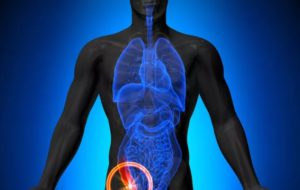
Appendicitis is an inflammation of the appendage of the cecum that requires surgery. Exacerbation of the pathology is manifested by painful sensations in the navel area and a displacement of pain to the right. The patient vomits with previously taken food and bile. The temperature rises to 38 degrees. Diarrhea begins. The pain does not go away, but on the contrary increases. The patient feels dry mouth. If you suspect appendicitis, you need to call an ambulance.
Inflammation of the appendix
Diagnostic methods
If the symptoms do not disappear after a couple of days, you need to seek qualified help. First of all, the doctor will try to find out the reason by listening to the patient. The patient should tell about the duration of manifestations, the color of feces and consistency, what he ate and the presence of chronic diseases.
The doctor will give a referral for the study of the material and for instrumental diagnostics of organs. You will need to donate urine, blood and feces.
To visualize pathological processes in the organs of the gastrointestinal tract, the doctor will prescribe an ultrasound examination of the abdominal cavity organs or endoscopy. For a more thorough diagnosis, CT or MRI of organs may be required.
Therapy and prevention
Treatment in most cases should be under the supervision of a physician, after the cause has been established. But before consulting a doctor, the patient can provide himself with first aid.
In case of poisoning
You need to flush your stomach to get rid of toxins. Do not stop diarrhea with antidiarrheal pills. Sorbents can be taken. It is recommended to drink a large volume of water in small sips.
With diseases of the digestive tract
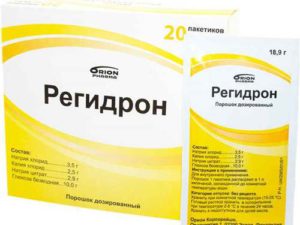
Self-medication in this case is contraindicated. If the disease is accompanied by vomiting and diarrhea, you need to replenish the water-salt balance by taking Regidron. Exclude fatty, spicy, difficult-to-digest foods from the menu. It is worth seeking medical attention.
With infectious diseases
The patient must see a doctor, pass the necessary tests. If the disease is confirmed, the doctor decides on hospitalization of the patient in the infectious diseases department, where the treatment will proceed. Intestinal infections can be contagious and pose a threat to the family's health. That is why the treatment takes place in a hospital.
Prophylaxis
To avoid pathologies that cause unpleasant symptoms, it is important to follow some rules:
- You should wash your hands thoroughly with soap and water after using the toilet.
- Avoid crowds during epidemics.
- Choose food carefully, paying attention to the date of manufacture and shelf life.
- Eat meat and fish only after heat treatment.
- People with chronic illnesses should have a full check-up at least once a year.
- Carefully monitor the food consumed, it is better to exclude foods with a high content of preservatives and food colors, preferring natural ones.
Stool disorder, weakness and nausea may not be taken seriously by a person. Sometimes, indeed, the reasons that caused such reactions of the body are banal - stress, overeating. But sometimes the pathology, which is accompanied by symptoms, can be so serious that untimely treatment can lead to irreversible consequences. Therefore, the first thing that a sick person should do is consult a doctor to find out the causes of pathological processes.