Oak bark for diarrhea: method of application and assessment of effectiveness
Diarrhea (diarrhea) is a well-known problem. Its symptoms are frequent bowel movements. The consistency, color of the discharge changes, there are unpleasant sensations in the abdomen, cramps. Prolonged diarrhea causes dehydration.
The causes of diarrhea are varied - changes in diet, quality of drinking water, food. Diarrhea is often caused by excessive excitement. It can be a symptom of gastrointestinal infections, chronic and acute diseases of the alimentary tract, such as gastritis, pancreatitis. Diarrhea can be an allergy to pollen and animal dander.
With diarrhea, frequent loose stools, as a result, the body dehydrates, loses mineral salts. It is necessary to make sure that the body begins to retain fluid, for which drugs are used, reducing intestinal motility, fighting pathogenic microflora and at the same time removing toxic substances. As a preventive measure, you should use the well-known rule - "wash your hands before eating", do not drink raw unpurified water, do not experiment with exotic dishes.
In the arsenal of traditional medicine, there are a large number of preparations with a fastening effect. One of them is dry oak bark. This is an effective natural preparation, the use of oak bark for diarrhea in some cases can replace medication.

Content
- 1 Characteristic
- 2 Oak bark preparations in therapy
- 3 The use of bark in the people
-
4 Use for diarrhea
- 4.1 Preparation of decoctions
- 4.2 Preparation of infusions
- 4.3 Tincture (tincture)
-
5 Features of the use of oak bark for the treatment of children
- 5.1 Using enemas
Characteristic
For a long time, the oak was considered a sacred tree, under its crown the magicians and druids performed religious rituals. Healers and herbalists use it as a remedy for many diseases.
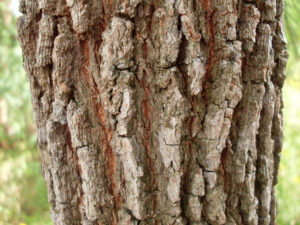
The bark of old and young trees has a different appearance. Half-century trees have a brown color, with deep cracks, its thickness reaches 10 cm. Young trees and branches have a silvery gray, pronounced cracks. Unlignified shoots are smooth, olive-colored.
Medicinal raw materials are harvested from the petiolate (ordinary) and Skalny oaks. Both of these species grow on the territory of Russia in moist mixed forests. Harvesting is carried out in the spring after the start of sap flow. Ring cuts are made on young branches that are not affected by lichen. Raw materials from young branches are distinguished by a higher content of tannins than from old ones. At the fracture, the outer layer of the bark is granular, the inner layer is fibrous. Cut rings are dried, crushed, and packaged. Packages of shredded dry oak bark can be found at any pharmacy. Typically, instructions for use are printed on the box.
Oak bark preparations in therapy
As an astringent, 10% decoction in the form of rinses is used in dentistry for stomatitis, gingivitis and the treatment of the upper respiratory tract. A 20% decoction is used in the treatment of burns. It is included in the composition of various ointments for burns, tablets for the treatment of pulmonary diseases, in cosmetics.
The medicinal properties of raw materials are explained by the presence of tannins, flavonoids, substances of the pyrogallic group, micro- and macroelements.
The use of bark in the people
Among the people, oak bark and preparations from it are used very widely as an astringent, anti-inflammatory and antiseptic agent. It is successfully used in the treatment of diarrhea, leucorrhoea in women, to stop various bleeding (except hemorrhoidal), with stomach ulcers and gastric bleeding, with prolapse colon. Outwardly - for the treatment of bedsores and burns. In the treatment of scrofula and rickets in children, it is included in the baths.
Use for diarrhea
The application is associated with the content of binders and tannins in the raw material. They reduce intestinal motility, which helps the body retain water longer and helps thicken intestinal secretions. This is one of the best non-drug remedies for diarrhea caused by a change in diet, allergies or nervous shocks.
They help to reduce inflammation, which is explained by the formation of a protective layer on the intestinal mucosa due to denaturation of proteins, and favorably affects the state of the body in case of food poisoning, since when excreting feces, it simultaneously reduces the absorption of toxic substances.
Antiseptic properties help to balance the microflora in the intestine and can serve as an additional non-drug agent if the disease is caused by an infectious infection.
Preparations from it, as an external agent, are added to baths, enemas and rinses. They drink them. Oak bark for diarrhea is prepared in the form of various forms of medicinal preparations. The method of using therapeutic forms is selected individually.
Preparation of decoctions
They are of two main types - with preliminary infusion in cold boiled water and subsequent boiling and pouring boiling water or cold water, followed by boiling.
The main 5% broth for internal use - 10 gr. dry bark per 200 ml. water.
The methods for preparing the broth are different:
- poured into boiling water and cooked for 3 minutes over low heat, then filtered;
- cold water is poured into a container with raw materials, put on fire, brought to a boil and boiled for 10 minutes, so that the volume is reduced by a third, cooled and filtered, diluted when used;
- dry bark, in the amount of 20 gr. pour cold water, prepare in a water bath for about 30 minutes. with the lid closed, stirring occasionally, cool, filter, dilute when used, bringing to 200 ml;
- chopped bark in equal proportions is mixed with granulated sugar, poured with cold water, cooked for a couple of half an hour. The broth is cooled, filtered, brought to the original volume with boiled water.
Dosage for internal use - drink a tablespoon with meals.
The composition of the main 10% broth for external use (rinses and enemas) - 40 gr. dry raw materials with 400 ml. water.
A decoction for external use is prepared in the same way as for internal use - it is poured with hot water and boiled for 3 minutes, then filtered.
Preparation of infusions
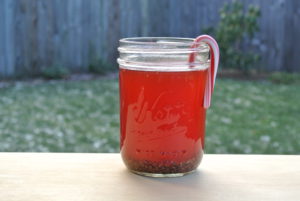
This form of a medicinal product, such as an infusion, is used in the treatment of diarrhea externally (enemas) and in the form of a drink. There are two main types of infusions - infusion of boiling water and of chilled boiled water. Infusion recipe: 20 gr. dry oak bark per 500 ml. water.
Cold water infusion: raw materials are poured with cold boiled water, infused for nine hours. Infusion on hot water: brew a mixture of equal shares of oak raw materials and chamomile flowers with boiling water, let it brew for half an hour in a thermos. It is filtered and cooled.
Tincture (tincture)
400 ml. vodka (diluted ethyl alcohol), there is a pinch of crushed bark. The mixture is poured into a glass vessel. After a week of exposure in the dark, the tincture is ready. Dosage of application: in the morning and in the evening, drink 20 drops of the tincture.
The effectiveness of drugs increases when mixed with other herbs. Sage, rosemary or yarrow - enhance antibacterial properties, chamomile - softens the effect of tannins.
Features of the use of oak bark for the treatment of children
Treatment of any child requires special care in the choice of drugs. Oak bark is a natural remedy. But due to the high concentration of tannins, it is not recommended to drink drugs from it for children under seven years old. Mothers who are breastfeeding should refrain from taking these drugs internally. The organs of the gastrointestinal tract of infants are not fully formed, sensitive. It is easy to disturb the balance of microflora by getting tannins from the mother's milk into the baby's stomach.
When treating diarrhea in children, only enemas are given, internal reception is prohibited.
The appearance of blood, mucous discharge in the feces, diarrhea is accompanied by vomiting, a rise in temperature - the child must be urgently hospitalized.
Using enemas
Treatment of diarrhea for a child under the age of seven is carried out using microclysters. Freshly prepared, cooled to room temperature, the infusion is mixed with olive oil (2 teaspoons per 30 ml of infusion), drawn into a syringe with a tube attached to it to remove gases.
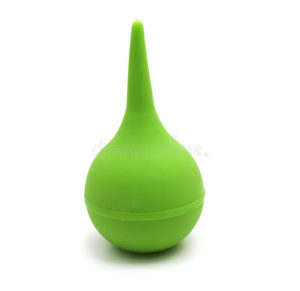
For older adults, enemas are done using a rubber bulb, bringing the volume to 100 ml. To administer the enema, the child must lie on its side. Insert the tip carefully, avoiding injury. Directly acting on the intestinal wall, the infusion quickly removes toxic substances and reduces peristalsis. But the tanning properties of infusions and decoctions in the treatment of children must be mitigated, reducing their concentration.
You can prepare the main infusion for enemas and add starch to it to soften the effect of tannins.
An enema decoction recipe can be enriched with the addition of dried chamomile flowers. It will relieve inflammation, soften the effect of tannins.
Contraindications and limitations of use:
- you should not take funds based on oak bark for more than ten days, if after two days there is no improvement, vomiting appears - immediately consult a doctor;
- the traditional method of treatment will not help with acute infections, exacerbations of chronic pancreatitis, gastritis;
- it is forbidden to use any parts of oak for nursing mothers and pregnant women;
- it is forbidden to use oak bark in the treatment of diarrhea in infants and children under two years of age;
- it is prohibited to take oak bark-based products for children from one to seven years old;
- may cause allergies;
- it is forbidden to use oak bark for people prone to constipation;
- the use of enemas is contraindicated in hemorrhoids.
Before carrying out medical procedures for a child of any age, it is necessary to consult a pediatrician.