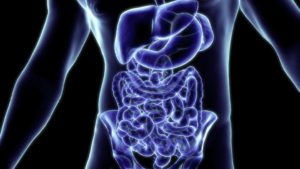
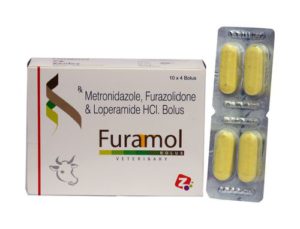
Diarrhea (diarrhea) in an adult: causes and quick treatments
Diarrhea is a common symptom in children and adults. Almost everyone has an upset stomach. Severe diarrhea is a serious danger to the body. It is important to take action on time to prevent unwanted symptoms. What helps, how to treat, when to go to an ambulance - these and other basic issues are covered in the article.
Content
- 1 Diarrhea causes
- 2 Diarrhea symptoms
- 3 When to see a doctor
-
4 Diarrhea treatment
- 4.1 Medicines for diarrhea
- 4.2 Traditional methods of treating diarrhea
- 5 What to do at the first symptoms
- 6 Preventive measures
Diarrhea causes
Diarrhea (the medical term for diarrhea) is a disturbance in the normal functioning of the stomach. It is believed that the body similarly cleans itself from pathogenic microorganisms. Causes of diarrhea:
- Frequent stressful situations (neurogenic);
- Occurs when the central nervous system is disrupted;
- Food poisoning;
- Diarrhea (dyspepsia) occurs due to a change in climatic conditions, habitual diet;
- Intestinal inflammation;
- Disruption of the gastrointestinal tract (dyspeptic diarrhea);
- Crayfish, diffuse colon polyposis;
- Diverticulosis;
- Chronic, acute gastritis;
- Viral loose stools;
- Varieties of diseases associated with the digestive tract (gastrointestinal tract);
- Irritable Colon Syndrome.
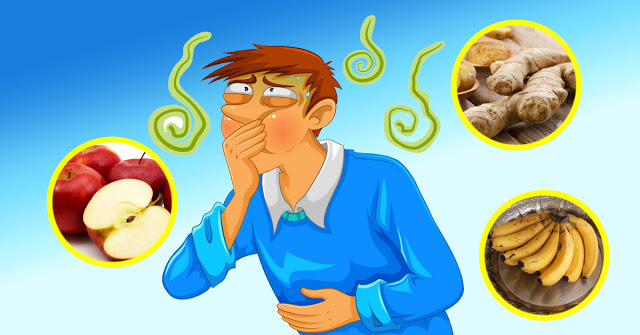
In diseases of the digestive tract, the normal metabolic process is disrupted. This causes stomach upset.
There are four known mechanisms leading to diarrhea. They arise individually or intersect with each other. Types of diarrhea:
- Diarrhea associated with a malfunction of the intestines;
- Secretory;
- Osmotic;
- Exudative.
There is a clinical characteristic: diarrhea with severe dehydration, moderate, no dehydration.
Different types of bacterial diseases, viral infection can cause the above mechanisms, leading to indigestion. Sometimes drugs become the reason: antibiotics, antacids (anti-inflammatory drugs), diuretics (decongestants), anticonvulsants.
Excessive alcohol consumption, food allergies, diabetes mellitus, hyperthyroidism (an enlarged thyroid gland) disrupt the normal functioning of the digestive tract.
Severe diarrhea is a defense mechanism. The body releases harmful substances that cause inflammation of the stomach and intestinal mucosa. Loose stools have a cleansing function. Therefore, it is not recommended to take pills to stop diarrhea right away. It is important to drink enough fluids to prevent dehydration and replenish the body with nutrients and micronutrients.
Diarrhea symptoms
The main signs of diarrhea include:
- Bloating;
- Feeling of discomfort in the stomach after eating;
- Increased gas formation is manifested;
- Abdominal pain;
- Frequent emptying of the stomach;
- Watery stools (may be odorless, mixed with bile, blood clots);
- Feeling of nausea, vomiting;
- Severe weakness, poor appetite;
- Periodic dizziness.
Diarrhea is not a disease, but a concomitant symptom of a number of health complications. The gastric tract cannot handle the digestion process.
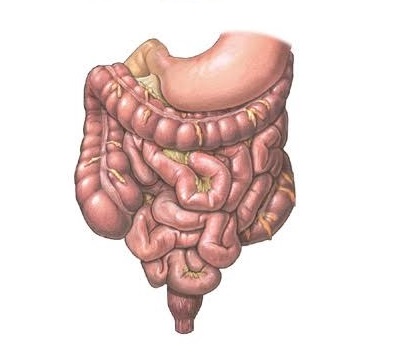 Sometimes an upset stomach is asymptomatic. It is important to find out the causes of the upset stomach, to determine the exact diagnosis. The symptomatology depends on the factor that triggered the diarrhea.
When to see a doctor
Stomach discomfort is uncomfortable. It is possible to cope with the symptom on your own, but it is important to monitor your well-being. The list of warning signs when you need to immediately seek medical help:
- Violent diarrhea lasts more than two days;
- The temperature rises, the fever begins;
- On the first day, there are signs of dehydration;
- Periodic nausea is felt;
- The patient notes acute pain in the abdomen (this is due to a violation of the digestive process);
- Loose stools are accompanied by chills, fever, or severe cramps in the stomach;
- A rash, jaundice (yellowing of the skin and eyelids) appears;
- There is a strong weakening of the body, the state of health sharply worsens;
- Sudden diarrhea with vomiting
- Lethargy, drowsiness;
- Feels dry in the mouth;
- The amount of urination decreases;
- Pus, mucus, or blood in your stool.
 If you have diarrhea and symptoms that make you feel worse, call your doctor. Uncontrolled watery stools can cause serious harm to the body and cause complications. The symptom is considered a companion to a serious illness.
It is important to find out the exact cause and start treatment correctly.
Diarrhea treatment
Medicines for diarrhea
It is recommended to take probiotics during the treatment of diarrhea. The drugs help to normalize the intestinal microflora. List of probiotics:
- Linex. It takes 3-4 days to take the drug to restore the microflora of the stomach. It is an antidiarrheal agent.
- Bifidumbacterin. The probiotic is available in the form of powder, tablets, capsules. It is undesirable to use Bifidumbacterin in conjunction with antibiotics.
- Bifiform - normalizes the digestive system, improves metabolic processes.
- Normobact - used if indigestion is noted. Can be used concurrently with antibiotics. Available in sachet form.
Sorbents that help remove harmful substances from the body and restore microflora:
- Enterosgel;
- Activated carbon;
- Polysorb;
- Smecta.
If a child suffers from loose stools, probiotics and prebiotics are good at helping to restore the child's stomach.
Before using drugs, a doctor's consultation is required. Self-medication can aggravate the situation and harm your health.
Traditional methods of treating diarrhea
There are many traditional methods for restoring stomach function.
- Rice broth. The tool helps to remove toxic substances from the body, helps to stop diarrhea and vomiting. Preparation: 1 tablespoon of rice is poured with water, placed on the stove. Cook over medium heat for an hour. After the broth, filter, cool. Drink before meals.
- Potato broth. You need to take 5-6 medium potatoes, peel, cut in half. Pour in a little more water than for puree. Put a saucepan on the fire, cook for 40 minutes. Strain the broth, cool. Starch in large quantities remains in the water, used for diarrhea, in case of poisoning. It envelops the walls of the stomach, normalizes the stool.
- Oak bark. Steam a tablespoon of chopped bark with strong boiling water. Leave on for 60 minutes. Filter, cool. Take on an empty stomach 3 times daily before meals. The course of treatment is 1 week.
Diarrhea can last for 5 days or more. The malaise should not be allowed to become chronic. The symptom is varied. This suggests the importance of pinpointing the cause. The method of treatment is determined only by the attending physician, after the diagnosis is made.
What to do at the first symptoms
Frequent loose stools can lead to dehydration. Tips on how to render first aid for diarrhea:
- Long-term indigestion removes useful elements from the body along with harmful substances. It is necessary to normalize the body's water-salt balance. For this, it is recommended to take more fluids. The water may be slightly salted. Salt retains fluid in the body. Rehydration solutions (Regidron, Reosolan) are sold in pharmacies. They compensate for lost water and micronutrients.
- Observe bed rest. With a large loss of fluid, due to dehydration in a person, darkening in the eyes, dizziness are possible. A constant feeling of thirst signals dehydration. An urgent need to go to an ambulance.
- Stick to a dietary menu. After pork, nausea and indigestion are again possible. It is important to replenish the body with nutrients to prevent depletion.
- Avoid foods that make you gas or have a laxative effect. Half an hour before meals, it is permissible to take prebiotics, which restore the work of the stomach. The diet should be followed during the entire recovery period. You will need to adhere to proper nutrition, not only after the symptoms have been eliminated.
If only loose stools are observed, without other symptoms, it is allowed to try to cope on their own. An adult is able to cope with the first signs of diarrhea, but if diarrhea does not go away during the day, increases, the patient's condition worsens, seek medical help.
Preventive measures
The main prevention of diarrhea is a healthy lifestyle and hygiene. Tips:
- Always wash fruits and vegetables before eating (unexpected loose stools are often caused by dirty food).
- Monitor your diet, avoid overeating, spoiled foods.
- Lead an active lifestyle.
- Once a year, undergo an examination for diseases of the gastrointestinal tract.
Watch your diet, well-being, lifestyle and be healthy!