Yellow diarrhea in an adult: causes and quick treatment
Healthy adult stool has a shape, has a brown color. Stool is excreted naturally from the body once or twice a day. If bowel functions are impaired, feces change consistency and take on a different shade. Yellow diarrhea is a sign of an abnormality in the body that requires diagnosis and treatment.
Content
-
1 Causes of yellow diarrhea
- 1.1 Yellow diarrhea in case of poisoning
-
2 Diagnostics and treatment
- 2.1 Diagnostics
- 2.2 Treatment
- 3 Drug therapy
- 4 Folk recipes
- 5 Diet
- 6 Preventive measures
Causes of yellow diarrhea
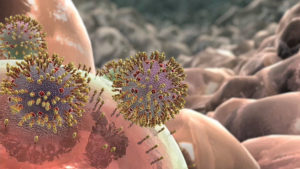
Deviations in the act of defecation require close attention, sometimes treatment. Bile takes part in the formation of feces, staining them brown. Lack of liver product results in yellow stool. Another reason for yellow stools may be the rapid excretion of stool from the intestines, which did not have time to take shape and acquire a natural color. The most common causes of loose stools are:
Virus in the body
- Viral and bacterial infections.
- Infection with staphylococci.
- Side effects of drugs.
- Inflammation of the pancreas.
- Liver dysfunction. Lack of bile salt, which is responsible for the proper functioning of the digestive tract, contributes to the appearance of yellow, loose stools.
- Inflammation of the colon mucosa.
- Food intolerance.
- Hormonal disbalance. Diarrhea of yellow color in women can be with menopause, pregnancy.
- Inflammatory changes in the gastric mucosa.
With salmonellosis, the stool has a dark yellow or green tint, mucus is present.
With dysentery, the feces are green, watery. Yellowish loose stools that turn gray indicate rotavirus infection. Ulcerative colitis provokes light yellow bowel movements with blood and pus. Bright yellow foaming diarrhea can be caused by Staphylococcus aureus. Mustard-colored stools are caused by bacteria. With intestinal candidiasis, the stool is liquid with white flakes. A beige color indicates liver damage.
Orange, red stools cause the consumption of foods high in carotene. If such products have not been consumed, the cause may be hepatitis, stomach ulcers, cystitis.
Diarrhea may appear when travelers change food and water.

Yellow diarrhea in case of poisoning
When the body is intoxicated, inflammation of the gastrointestinal tract occurs due to the ingress, reproduction, death and decomposition of microbes. Such processes irritate the mucous membrane, promote inflammation. The inflamed mucous membrane provokes the production of serous fluid. The walls of the intestine lose their ability to function properly, do not absorb moisture that enters it. Excess moisture provokes light-colored diarrhea.
Poisoning is characterized by spasms, high fever, a feeling of nausea, and incessant vomiting. Intoxication is accompanied by weakness and dizziness.
The disease that provoked loose stools of an unnatural color cannot be determined without careful research.
Diagnostics and treatment
A single intestinal disorder in an adult can be triggered by overeating and does not require qualified assistance. If the problem begins to occur frequently, then it is necessary to consult a doctor to identify the cause and begin treatment. A doctor's consultation is mandatory in the following cases:
- Diarrhea does not go away more than two days.
- Multiple diarrhea with water accompanied by fever, the presence of blood, severe nausea and vomiting, a stomach ache.
- There are signs of dehydration: dry mouth, pallor of the skin, plaque on the tongue.
- Taking medication does not bring relief.
- Medical assistance is necessary if a child under 12 years of age and an elderly person are ill.
Diagnostics
First of all, you need to pass feces tests for scatological examination and a general blood test. Stool microscopy reveals elevated leukocyte and epithelial cell counts, indicating inflammation of the lining of the digestive tract.
If, according to the results of the tests, the doctor sees deviations from the norm characteristic of a particular disease, a study of an organ that is presumably not healthy is prescribed. This can be an ultrasound examination of the abdominal organs, an endoscopic examination, or an X-ray. You may need to examine your intestines with a colonoscope.
Treatment
Regardless of the cause of the symptom, it is important to replenish the body's water balance. With intestinal upset, the body quickly loses moisture and beneficial trace elements. Dehydration is fraught with coma. In especially difficult cases, it can be fatal. Treatment should be comprehensive. If diarrhea is caused by a disease or infection of the gastrointestinal tract, then measures to eliminate loose stoolswill be useless.
Drug therapy
To eliminate the symptom, you will need to take sorbents. The unique properties of such drugs contribute to the elimination of accumulated toxins from the human body. Smecta, Polysorb, activated carbon are popular as sorbents.
The water-salt balance will help to replenish Regidron. Promotes the restoration of intestinal microflora probiotic. The doctor may prescribe Bifidumbacterin, Lactobacterin, Acipol, Acylact.
Motilium will restore intestinal motility.
Immunomodulators should be taken with loose stools if due to an infection.
The doctor will prescribe antispasmodic drugs if the diarrhea is accompanied by abdominal pain.
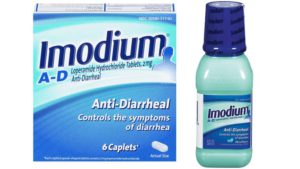
Loperamide-based medications will help stop the urge to empty. In case of infection, antibiotics will be required. But the doctor must prescribe the drugs.
In other cases, antifungal, antiviral medications may be prescribed.
The dosage is prescribed by the doctor, depending on the severity of the symptom. Vitamin-mineral complexes help to fill the deficiency of vitamins.
Folk recipes
In some cases, taking medications is not possible. Traditional methods of therapy will come to the rescue.
Rowan juice has astringent properties for loose stools. Daily use of half a teaspoon before meals will help the symptom disappear.
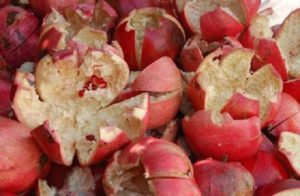
Pomegranate peels, pre-boiled with boiling water, will have a positive effect on diarrhea.
Herbal teas from sage, St. John's wort have bonding and anti-inflammatory properties.
A decoction of oak bark is excellent for treating diarrhea.
Treatment with traditional medicine can only be relevant when there is no opportunity to consult a doctor and stop stool with modern methods. It is contraindicated to treat babies up to a year for diarrhea with folk methods. If it is not possible to visit a doctor in the near future, you need to call an ambulance.
Many chronic diseases of the gastrointestinal tract periodically contribute to the appearance of diarrhea. In this case diarrhea treatment will only be the elimination of the symptom. It is wiser to conduct an examination of the organ and treat the identified pathology. After eliminating the disease, the symptom in the form of yellow loose stools will no longer bother.
Diet
Particular attention should be paid to nutrition for bowel disorders. It is not recommended to overload the stomach with heavy and hard-to-digest food. It is necessary to include in the diet drinks that have an astringent property. On the first day, it is better to refuse to eat, limit yourself to frequent intake of liquid in small sips.
On the second day, if the symptoms have not worsened, you can eat steamed vegetables, boiled rice. We recommend broth with chicken or turkey fillet, boiled low-fat fish.
Raw fruits and vegetables are strictly prohibited. You should not use milk, kefir, yogurt. Drinks containing alcohol are contraindicated. Legumes, black bread, fruit juices, coffee, strong tea are not recommended.
Preventive measures
Problems affecting the intestines can be avoided by following simple rules:
- Wash hands often with soap and water, especially before eating, after using the toilet. Talk to children about the rules of personal hygiene.
- Take medications only as directed by your doctor, not exceeding the dosage.
- Handle food properly when cooking.
- Eat often, but little by little, observing the temperature regime of the dishes. Food should not be very hot.
- Closely monitor the date of manufacture of products, do not eat food that has expired.
- Regularly undergo examination and be monitored by a doctor in the presence of chronic diseases of the digestive tract.
- Avoid stressful situations, overwork.
Bowel disorders, if not preceded by a disease, are easier to avoid by observing the rules of personal hygiene and not breaking the diet.
The appearance of a yellow stool indicates a pathology in the body. Therefore, do not ignore the symptom. In this case, it is not recommended to do something on your own. It is better to undergo a thorough diagnosis and use the doctor's recommendations for treating the disease. If you seek help in a timely manner and follow the doctor's recommendations, the ailment disappears in a couple of days.