Diet for constipation in children: recipes, nutritional rules and a sample menu
Constipation is the slow, irregular removal of stool from the body. It is a common bowel disease in children of all ages. A balanced diet and the necessary diet will help with a complex of therapeutic measures.
Parents should be attentive to their child if he has:
- there is no stool for a long time;
- there are complaints of abdominal pain;
- when going to the toilet "for the most part" painful sensations are observed, you have to push, strain;
- feces are formed in the form of a dry dense "sausage" or "ball";
- during the process of defecation, small blood streaks are present in the feces;
- there is an incomplete bowel movement.
Symptoms like these indicate the presence of constipation. In such cases, help should be done immediately. The systematic manifestations of such signs indicate the tendency of the child's body to difficulty in defecation.
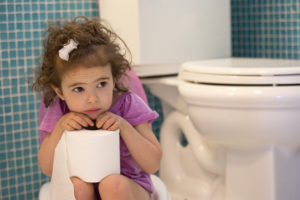
Constipation in a child
Content
- 1 Bowel frequency rates
-
2 Treatment and prevention with nutrition
- 2.1 More fluid
- 2.2 Diet principles
-
3 Diet number 3
- 3.1 Allowed
- 3.2 What is prohibited
- 3.3 Infant age
- 3.4 What can children eat from 1 to 3 years old
- 3.5 Diet for a child from 3 to 7 years old
- 3.6 Diet for teenagers from 7 years old
- 4 Simple Diet Dessert Recipes
- 5 Exercise for constipation
Bowel frequency rates
Problems with bowel movements in children are quite common. It is important for parents to remember the approximate norms of the frequency of emptying and the consistency of feces in order to recognize the signs of the disease in time and come to the aid of the child's body.
- In a breastfeeding or formula-fed infant under 1 year of age, the frequency of stool and the frequency of feeding should be the same. Gruel-like feces are considered the norm.
- The frequency of bowel movements in children from one to three years of age should not exceed 1-2 times a day. The chair is decorated and soft.
- Children from 3 to 7 years old can go to the toilet "big" once a day.
In a certain group of babies, in the absence of discomfort, bowel movements can be carried out once every 2 or 3 days. The reason is the probable hereditary tendencies of the organism.
Constipation in children is often not associated with diseases of the gastrointestinal tract and digestive organs. The most common factors that can cause poor bowel movements are:
- insufficient consumption of drinking water;
- lack of dietary fiber-rich foods;
- imbalance of intestinal microflora as a result of antibiotic therapy;
- food allergic reaction;
- low physical activity;
- helminths;
- lack of digestive enzymes;
- frequent stressful situations.
For constipation, frequent use of enemas is not recommended. The intestines become accustomed to external stimulation, and the situation with constipation only gets worse.
Treatment and prevention with nutrition
For the prevention and complex treatment of the disease, it is necessary to revise the child's nutrition. Even a simple change in the diet brings the stool back to normal.
More fluid
With constipation, the body is dehydrated. Ordinary boiled or bottled drinking water is perfect for replenishing fluid. Decoctions of chamomile, freshly squeezed vegetable juices, decoctions of fennel or dill, homemade dairy drinks are also perfect. All consumed liquid should be at room temperature. Soda and strong teas should not be consumed.
Diet principles
When treating and prevention of constipation you need to make the right diet. It is the same for all children - age does not matter.
- Eating at least five times a day.
- Breakfast is required.
- It is possible to feed the sick crumbs often, but fractionally.
- Children may be given fresh fruit to eat during a snack.
- The last meal should be no later than 2 hours before bedtime.
Diet number 3
This diet for children with constipation includes an increase in the drinking regime, an introduction to the daily diet more fresh vegetables and fruits rich in fiber, and eliminate foods that cause gas in intestines.
Allowed
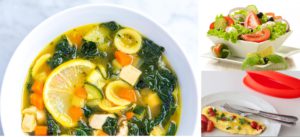
List of foods and meals recommended when following a diet:
- butter and sunflower oil;
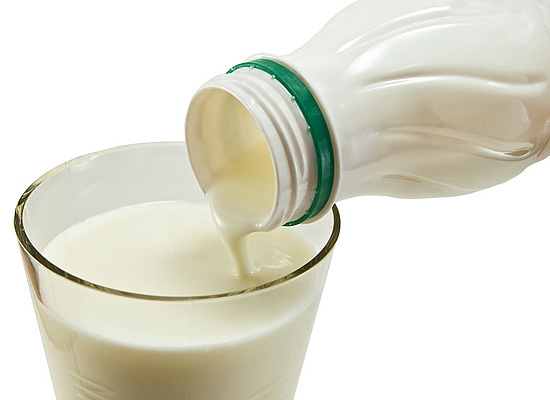
- dairy homemade products - yogurt, whey, yogurt;
- bran bread;
- vegetable soups;
- boiled porridge;
- steamed omelet;
- vegetable salads;
- lean chicken and fish;
- natural juices with pulp;
- fresh fruits;
- unsweetened and low-fat desserts.
What is prohibited
When following a diet, the following foods and dishes are strictly prohibited:
- skim cheese;
- boiled rice, noodles;
- semolina;
- fat meat;
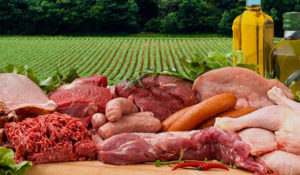
- fatty poultry meat (duck, goose);
- smoked sausages;
- hard cheese;
- pickles and pickled vegetables;
- onion and garlic;
- fried eggs;
- fresh wheat or rye bread;
- mushrooms;
- semi-finished meat products;
- from fruits - pears;
- jelly.
It is necessary to refuse cottage cheese and cheese, since in children under 3 years old, they have a deterioration in bowel movements.
For the diet to be effective, and the little person does not feel disadvantaged, it is necessary that the whole family adheres to this diet.
Infant age
To help deal with constipation for babies, who is on natural feeding, for the prevention of constipation, it is simply enough for a mother to reconsider her diet. All heavy and harmful products must be removed. Light food should prevail in the mother's diet. If the baby is artificially fed, then it will be enough for him to simply increase the consumption of warm drinking water.
So that there are no such diseases in the future, a doctor should prescribe a diet for mom and baby.
What can children eat from 1 to 3 years old
Children consume vegetable and fruit purees in their diet every year. Subject to diets for constipation most of the permitted products are heat treated - boiled, stewed, baked. For children under 3 years old, the diet is made by the mother.
Diet for a child from 3 to 7 years old
During this period, the baby is already taking adult food. The child has already developed taste preferences, and some dietary foods can be disgusting.
Approximate menu for children from 3 years old:
- Breakfast: boiled wheat porridge, warm chamomile broth with bread and natural berry jam.
- Snack: a portion of natural yoghurt and an unleavened bun.
- Lunch: vegetable soup, chicken steamed cutlet with vegetable puree. Vegetable salad, dried fruit compote.
- Afternoon snack: pulp fruit juice and unsweetened baby biscuits.
- Dinner: a slice of stewed lean fish, wheat porridge, beet salad.
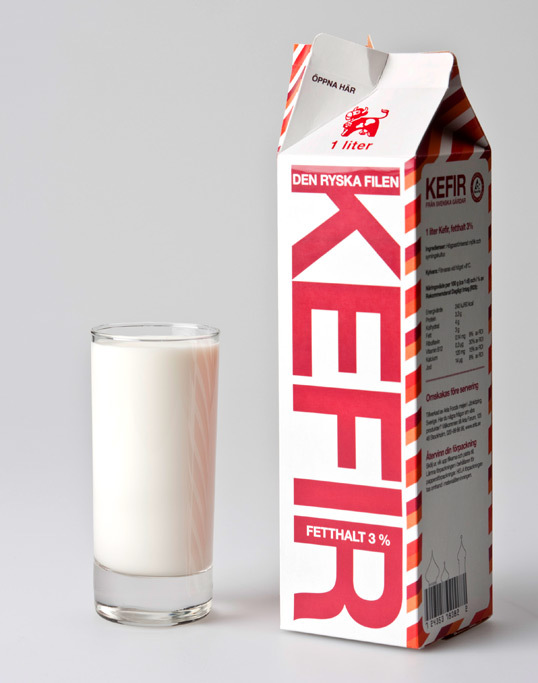
- 2 hours before bedtime, you can drink a little low-fat kefir.
Diet for teenagers from 7 years old
Changes in diet, psychological stress in school are two common causes of constipation in a student. School lessons do not always allow you to adhere to the correct diet. To protect your teenager from the effects of irregular food intake, you need to give him containers of food. Then the student will be able to freely have a snack at a certain time during breaks.
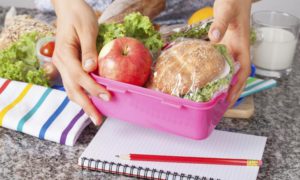
Here is a list of examples of foods that you may not need to reheat at school and are recommended for a child prone to constipation:
- vegetable pancakes;
- homemade yogurt;
- fruit salad;
- vegetable salad with sunflower oil.
The correct diet and healthy foods will give the student a boost of activity, help him concentrate on academic performance and assimilation of the material learned.
Simple Diet Dessert Recipes
In order for the child to undergo treatment with pleasure, and in the future there will be no constipation, it is advisable to prepare several simple but effective dishes with him.
- Delicious koloboks. Ingredients: dried apricots, prunes, buckthorn berries. Grind all the ingredients, add a teaspoon of honey. Mix everything, form small balls - dragees. Roll in ground sesame seeds.
- Unusual fruit puree. To prepare it, you need to take the same amount of prunes, dried apricots, add three parts of apples. Grind and mix with a blender. If there are no fresh fruits, then you can use dried ones, having previously soaked them in warm water.
- Delicious pasta. It contains dried apricots, prunes, walnuts and figs. Grind everything with a blender, add a tablespoon of honey. You can store this paste in the refrigerator. Give a teaspoon one hour before meals.
These desserts are recommended for children and adults with chronic constipation.
Exercise for constipation
Exercise therapy in combination with diet helps the child's body to quickly cope with constipation. Small physical activity can improve the blood supply to the pelvic organs, relieve spasms and improve the passage of accumulated gases, and also strengthen the abdominal muscles. The set of exercises is simple and can be performed at home:
- Pulling the knees towards the stomach. It is performed lying on your back.
- Raising your legs up. Lying on your back, without bending your knees, raise them perpendicular to the floor.
- "Scissors". Lying on your back, spread and bring straight legs, gradually raising them above the floor. Do not bend your knees.
- "Bicycle". All the same, lying on your back, imitate cycling with your feet.
- Squats.
- Walking in place.
- Body tilts to the sides. Starting position - feet shoulder width apart.
- Leaning forward, trying to touch your toes.
Massage for difficult bowel movements is reduced to light stroking clockwise in the abdomen. The movement must be started from the navel and gradually increasing the radius of the spiral turn.
It is very easy to harm a child's body, therefore, when treating constipation, you should not get carried away with medication. It is much easier and more useful to revise and make adjustments to the diet of the child and the whole family in order to exclude the appearance of this delicate disease and possible unpleasant consequences.