Psychosomatics of constipation: psychological causes
Psychosomatics is a branch of medicine that studies the relationship between psychology and bodily diseases. Psychosomatologists say that bodily ailments are a consequence of mental ill-being. A healthy person has a bowel movement at least once every two days, depending on physiological characteristics. Emptying the bowel from feces (waste of undigested food taken) is called defecation. The process is an integral part of life and is absolutely painless for a healthy person.
For a number of reasons (sedentary lifestyle, non-compliance with the drinking regime, improper diet, violation of metabolic processes) in the body, the program fails, problems begin with bowel movement. The processes in the human body are interrelated, therefore constipation occurs in connection with many psychological factors, this can happen in both an adult and a child.

Content
- 1 Symptoms
- 2 Childhood constipation
- 3 Psychological constipation according to Komarovsky
- 4 Intestinal disorders in adulthood and complications
- 5 Constipation treatment
- 6 Prevention of constipation
Symptoms
The first a sign of constipation is the absence or delay of stool, there are complaints about:
- spasms, pain in the intestines;
- bloating, heaviness;
- feeling of incomplete emptying;
- poor appetite, belching;
- weakness, bad mood;
- grayish skin tone.
The last three symptoms are caused by intoxication of the body.
Childhood constipation
In children, the intestinal mucosa is very thin, easily injured, so if the baby has experienced discomfort at least once with defecation, he will delay the trip to the toilet as much as possible in order to avoid discomfort, with this, constipation will be get worse. Preschoolers, from about 2 years old, when active toilet training is underway, experience severe stress when they get into a nursery or kindergarten. In schoolchildren, negative emotions are often associated with a public bathroom, the absence of doors in the booths, and a bad smell. Having reached the house, then the child can play too much and completely forget what he wanted. After a few days in this mode, persistent constipation is ensured.

In children under 1 year old, the disease is often associated precisely with inactivity, fluid deficiency. Stress hormones are transmitted to infants through mother's milk. The severe psychological state of the parents is badly reflected in the psycho-emotional background of the children.
According to Freud, children often suffer from defecation disorders, who are forced by their parents to share their toys, things, or are taught excessive greed, then in a person a retaining personality type develops and in adulthood chronic constipation can last for years if you do not resort to the help of a psychotherapist and do not recognize the root cause diseases.
Important! Delayed bowel movements are associated with brain processes. With an unfavorable psychological situation in the family, the child may develop constipation.
Psychological constipation according to Komarovsky
Dr. Komarovsky has repeatedly emphasized that the absence of a chair in children is often psychosomatic. Too persistent persuasion of parents, harsh statements in the direction of a child who has not reached the toilet, an uncomfortable or cold pot - this does not add enthusiasm to the child. And negative emotions will be deposited on a subconscious level.
Let the child be more independent, weakening control over him, help him learn to throw out his emotions, be more self-confident, and overcome complexes. Psychological constipation accounts for one fifth, all the rest are physiological.
Diet is an important part of the treatment of constipation. Komarovsky considers potassium to be the main element for good bowel function; you can get it in sufficient quantities from nuts and dried fruits. Do not force your child to follow a diet - this also leads to psychological constipation. Children with a stubborn character are more likely to develop psychosomatic illnesses.

Intestinal disorders in adulthood and complications
In adults, this disease can be directly related to their occupation, with constant haste, change of environment, daily routine. Sedentary and sedentary work leads to stagnant processes throughout the body and, in particular, in the intestines. There is a term "constipation of a traveler", people who are often on various kinds of trips, business trips, when it is not always and not always possible to fulfill it, suffer from it. desires of your body, it does not come out to simply relax in order to free the intestines from ballast, dirty public toilets will discourage even the most disgusting person. After a trip, in a familiar environment, the chair is usually restored.
In old age, the muscles weaken and there is a problem with bowel movements. If psychosomatic factors are added to this (age crisis, depression, the appearance of strangers in the house, creating discomfort with their presence), problems with constipation cannot be avoided. In addition to general intoxication, prolonged stool disturbance leads to consequences such as hemorrhoids, anal fissures, bleeding, which further complicates the bowel movement and creates the most difficult psychological situation.
Constipation treatment
With a protracted violation of the act of defecation, help the body to get rid of the accumulated feces. If laxatives and suppositories have not brought the desired relief, it is better to do this with an enema.
They are oil, siphon, salt (hypertonic). The latter type cannot be used for hemorrhoids or other inflammatory processes of the rectum. The liquid for the procedure should be at room temperature. After cleansing the intestines, you need to determine the exact cause of your illness, a specialist will help you with this and prescribe the necessary treatment.

A psychologist will help get rid of psychosomatic constipation, since the origins of the disease are in the head. Well-known psychologists and psychiatrists suggest that the causes of diseases lie in a special worldview. Many are afraid of their future and do not want to part with the past, keeping it with old rubbish. Having got rid of the accumulated unnecessary things, we let go of the past negative and free ourselves from ailments.
Important! By restraining the urge to defecate, we doom ourselves to constipation.
In terms of psychosomatics, children's constipation differs from that of an adult. The psychology of babies does not accept pressure and infringement of freedom. Children find it more difficult to cope with psychological problems. We can help them by changing the daily routine, diet, creating a comfortable atmosphere. Encourage your child even for a failed potty trip. Do not scold or coerce, only with kindness and affection the necessary skills are developed in the baby.
An integrated approach is important: the elimination of psychological and physiological factors. Lactulose is an effective laxative for children; its therapeutic effect is due to its ability to stimulate the growth of beneficial bacteria. It is also justified to use glycerin suppositories, plant fees.
Prevention of constipation
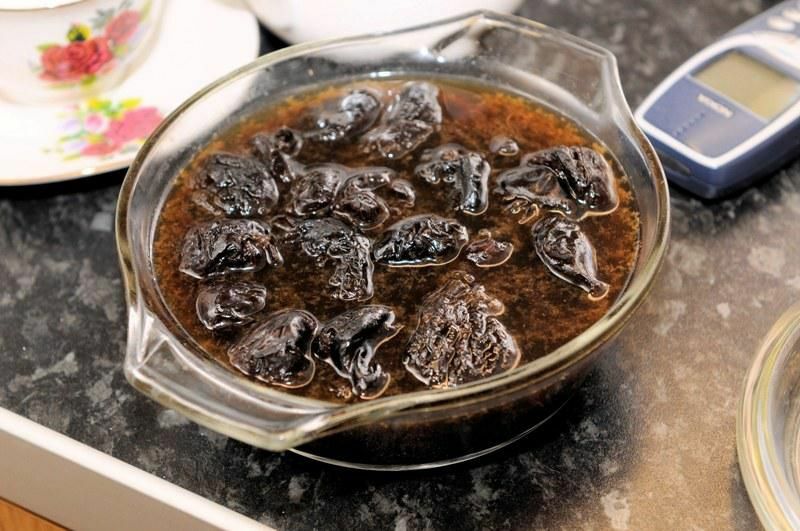
Disease is easier to prevent than to fight a chronic disease. In addition to communicating with a psychologist, carefully approach the issue of nutrition: introduce foods rich in fiber, cereal bran, cereals with the addition of flaxseed, ginger, fruits, boiled, stewed vegetables, juices, dried apricots, prunes. Beets, plums, cucumbers, pumpkin, zucchini, peaches, dairy products are very useful.
Avoid spicy, fried foods, flour products, starchy foods, coffee and alcoholic beverages. It is better to eat often and little by little, cut food into large pieces. Purchase a fiber pill before your planned trip. The drinking regimen is important: a child should drink 100-150 ml of pure water per day, an adult - 1500 ml, this volume does not include soups, milk, juices, other drinks and liquid dishes. Sugary carbonated drinks are excluded.
Outdoor hiking, yoga, gymnastics and exercise are encouraged. Train yourself and your child to the daily routine so that the body understands when to get rid of unnecessary things. Be positive and avoid stressful situations. The mood of the parents is transmitted to the children. Do not quarrel, create a benevolent, peaceful atmosphere in the house. Be consistent in your actions, not overly persistent. Do not raise your voice at the child, treat him with respect.
Talk to children about their problems, ask about the reasons for poor health or mood, give practical advice. Do not ignore the complaints of the child in order to start treating him for psychological constipation in time. And remember: psychosomatic disorders are not treated with medications, the main thing is a positive mood and belief in success.