Diet for constipation: foods, nutritional rules, menus for the week
Absence of stool for an extended period of time is a serious problem that can be faced by a person of any age and gender. But more often constipation occurs in older women. Regular constipation can be triggered by serious illnesses. Constipation itself can also have negative consequences for human health, since the masses can cause intoxication of the body. Sometimes, in order to restore stool, it is enough to adjust the diet. Diet can be the basis for treating a common problem.
Content
-
1 Power features
- 1.1 Nutrition for children with constipation
- 1.2 Nutrition during pregnancy
-
2 Recommended and contraindicated foods for constipation
- 2.1 Laxative products
- 2.2 Allowed Products
- 2.3 Prohibited products
- 3 Menu for the week
- 4 Prevention of constipation
Power features
Constipation can be a reaction to stress, a consequence of unreasonable eating or pathological processes in the organs of the gastrointestinal tract. Sedentary work and a sedentary lifestyle are common causes of frequent stool stasis. Often this phenomenon occurs when switching to proper nutrition. The process should be gradual. It is not recommended to abruptly switch to food that is unusual for the body. A strict diet can
cause stool retention. For those suffering from regular constipation, appropriate treatment should be selected after a thorough diagnosis and a reasonable diet in this case.Regardless of the reasons that cause stool retention, attention must be paid to the diet. Diet is a natural, safe and effective way to combat an illness. Meals at constipation in adults must be balanced. The main rule in treating a disease with a diet is fiber replenishment. Fiber is found in fresh vegetables and fruits, legumes, and bran.
Better to avoid sugar consumption. The best option for drinks is mineral water. Adults are recommended to drink Essentuki courses. Mineral water treatment will allow you to empty your bowels and is a supplement to your diet.

Cold vegetable dishes should be seasoned with olive oil.
Food should be consumed frequently - up to 6 times a day, no chopping required. It is recommended to steam food or stew it. Fried foods are removed from the menu.
At spastic constipation food should be chopped with a blender so that the intestines can cope with work faster. Eaten foods should be rich in useful microelements.
Nutrition for children with constipation
Like an adult, a child can suffer from constipation for a variety of reasons. Improper nutrition, stress - affect children's stool. The child's diet is made in accordance with his age.
There is a suspicion of stool retention in a newborn baby - it is worth consulting a pediatrician. The baby is breastfed - the mother's diet needs serious adjustments.
Children who are introduced to complementary foods need to consume more vegetable purees, kefir and yogurt to restore stool. Vegetables allowed: carrots, zucchini, pumpkin, broccoli, cauliflower.
The diet for children under three years old includes foods that are steamed or baked in the oven. Older children who eat adult foods should eat the same diet as adults with a similar problem. But it is better to replace raw vegetables and fruits with processed ones. You can give your child vegetable oil to relieve constipation.
For the duration of the diet, it is recommended to remove from the diet foods with astringent properties: strong tea, rice, semolina porridge.
It is important for children, as well as for adults, to drink enough fluids. In the morning, drink freshly squeezed juice from non-prohibited crops, fruits.
Nutrition during pregnancy
Constipation during pregnancy - a frequent occurrence. The problem requires a quick solution, since when chronic constipation irreparable harm can be inflicted on the body of the mother and child. Medication is often contraindicated for pregnant women. Therefore, treatment begins with adjusting the diet and menu.
The menu for pregnant women must contain foods rich in plant fiber. These include:
- Black bread, crispbread.
- Berries: strawberries, currants.
- Permitted fruits and vegetables.
- Drinks include green tea, rosehip berry drink.
Women in the position are advised to consume plenty of fluids. You need to drink purified still water, compotes, freshly squeezed juices. The total volume, if there are no contraindications due to edema and kidney pathology, should be at least 1.5 liters.
Recommended and contraindicated foods for constipation
You can cope with this delicate problem by taking an anti-constipation medication. But many do not risk resorting to drug treatment for this phenomenon. A reasonable solution would be to adjust your diet by eliminating fixing foods and include in the menu dishes and foods that eliminate constipation and are good for the intestines. What to eat when defecation is delayed and what is strictly prohibited, you can find out from the list of permitted and prohibited foods.
Laxative products
Some foods have a laxative effect. They are able to eliminate the problem of constipation without the use of medication. Laxative products improve peristalsis, dilute stools, and stimulate the secretion of intestinal glands. Most of these products are recommended not to be processed, but to be consumed as they are presented.
- Cereals. Whole grains are considered the healthiest. Good for constipation. The most effective are buckwheat, oats, barley. Healthy and tasty cereals, cereal soups. When brewed and then milled, an excellent and healthy drink is formed, which will not only eliminate constipation, but also saturate the body with necessary microelements.
- Vegetables. An effective and inexpensive way to normalize bowel function. You can eat vegetables as part of dishes, or separately, without subjecting them to heat treatment. Vegetables are effective because they contain fiber - dietary fiber that is not digestible, but promotes feces. Pectin, which is part of herbal products, normalizes the microflora, which helps to cope with dysbiosis.
- Fruits. A useful component of the menu for constipation is fruits, thanks to the fiber and natural sugar they contain. Daily consumption of fruits helps to improve the intestinal microflora, normalize metabolic processes. Prunes and dried fruit infusion have a good laxative effect. Figs and dried apricots will also have a laxative effect when consumed.
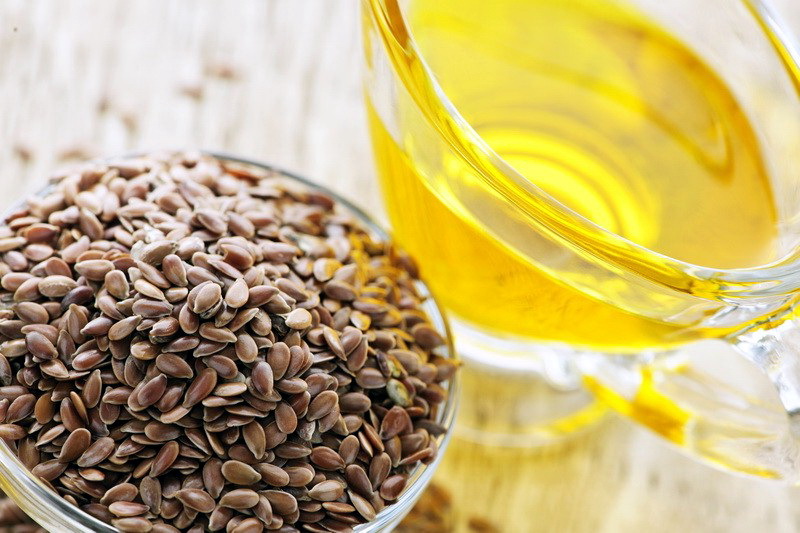
- Oils. Vegetable oil diluted with water and taken on an empty stomach in the morning softens the stool. During the day, it is necessary to season cold vegetable dishes with natural vegetable oil.
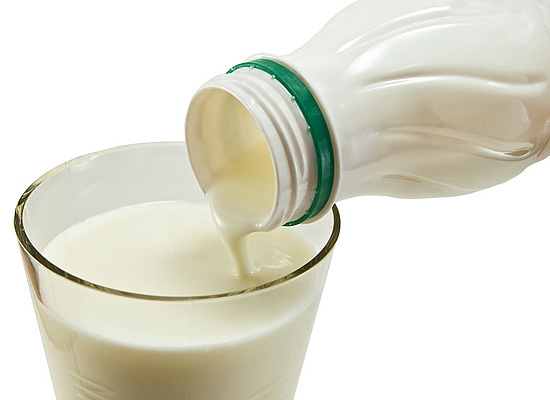
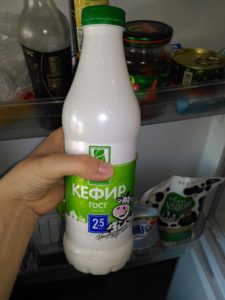
- Dairy products. Fermented dairy products have a laxative effect. The leaven will help you prepare kefir at home. In addition to kefir, curdled milk, natural yogurt, acidophilus are recommended.
- Cold foods. Low temperature foods can relieve constipation. Ice cream, kvass, okroshka or beetroot, irritating thermoreceptors, promote the motor activity of the alimentary canal, promoting the masses.
Allowed Products
Diet for constipation is aimed at improving the motility of the gastrointestinal tract. Permitted foods do not cause fermentation or gas formation in the intestines. You can include fruits and vegetables in your menu, some cereals, as they contain fiber.
With constipation allowed:
- Bakery products made from wheat and rye flour, biscuits.
- Soups, broths from poultry meat, veal, cabbage soup, beetroot soup, fruit soups.
- Low-fat meat, fish, poultry.
- Buckwheat, millet, wheat, oatmeal, barley porridge.
- Vegetables and vegetable salads from fresh cabbage, cucumbers, etc., with vegetable oil dressing.
- Fruits.
- Prunes and some other dried fruits.
- Sour milk, kefir, cottage cheese, yogurt, sour cream - any fermented milk products.
- Seafood.
- Steam omelet and boiled eggs.
- Pasta.
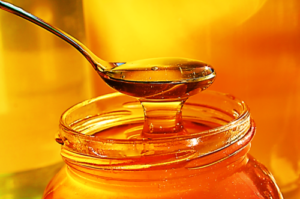
- Honey.
Pasta, mushrooms are recommended to be consumed in small quantities. It is better to exclude pure milk, but cooked cereals in milk are allowed. Be careful when eating baked goods. Constipation from bread, if it is made from white flour, is a frequent occurrence.
Prohibited products
There is a list of foods that are contraindicated for constipation, as they can cause flatulence in the intestines, which will only aggravate the problem.
Prohibited Products:
- Baking products, loaf.
- Fatty fish, meat.
- Slimy porridge (rice, semolina).
- Strong tea, coffee, blueberry drinks.
- Fatty and rich soups and broths.
- Alcohol-containing products.
- Chocolate, cocoa.
- Custard confectionery.
- Vegetables and spices are spicy: onion, garlic, horseradish, pepper, mustard.
- Canned products.
- Sour berries.
When composing a daily menu, it is necessary to take into account the age and state of human health. Elderly people and pregnant women should not eat vegetables and fruits that can provoke bloating: bananas, dates, cabbage.
Menu for the week
When choosing a menu for a week, it is better to use diet number 3. Treatment table number 3 is prescribed for constipation and flatulence. Vegetable and animal proteins and fats will be mandatory components of diets.
Salting food is allowed, but in small quantities. Steamed, boiled or baked foods are recommended.
The menu is designed for a week. In the morning on an empty stomach, you need to drink a glass of clean water. A full breakfast can be replaced with natural yogurt with bran; for lunch, you can eat cereal soup.
First day:
- Second breakfast: dried plums - 60 g.
- Lunch: baked sea fish with vegetables - 250 g.
- Snack: natural yogurt.
- Dinner: stewed vegetables.
Second day:
- Breakfast: boiled beets with olive oil, tea with milk.
- Snack: baked apple.
- Lunch: vegetable soup with pearl barley, stewed cabbage rolls, jelly in milk.
- Snack: raw grated carrots with butter.
- Dinner: boiled low-fat fish, cottage cheese, tea with sugar.
- Late dinner: kefir.
Day three:
- Breakfast: vegetable salad, steam omelet, sweet strong tea.
- Snack: fresh berries or vegetables.
- Lunch: beet soup without meat, boiled meat, compote.
- Snack: dried fruits.
- Dinner: meat zrazy with stewed vegetables, tea.
- Late dinner: kefir.
Fourth day:
- Millet cereal, vegetable salad, tea.
- Snack: an apple baked in the oven.
- Lunch: vegetable broth, meat stew with vegetables, airy fruit dessert.
- Afternoon snack: cottage cheese.
- Dinner: English fruit and vegetable dessert, pancakes stuffed with meat.
- Late dinner: kefir.
Fifth day:
- Breakfast: boiled potatoes, boiled low-fat fish, tea.
- Snack: grated carrots.
- Lunch: broth with pasta, boiled chicken, mashed fruits with honey.
- Afternoon snack: dried plum.
- Dinner: carrot and beet pancakes, tea with sugar.
- Late dinner: kefir.
Sixth day:
- Breakfast: oatmeal, boiled meat, tea.
- Snack: grated vegetables with sour cream.
- Lunch: vegetable stew, lean meats, beet soup, cranberry jelly.
- Snack: boiled carrots with butter.
- Dinner: stewed vegetables, cutlets in sour cream sauce, tea.
- Late supper: curdled milk.
Seventh day:
- Curd soufflé with carrots, tea with sugar.
- Snack: fruit and vegetable salad with olive oil dressing.
- Lunch: cabbage soup without meat, boiled meat with stewed pumpkin, jelly or compote.
- Snack: yogurt.
- Dinner: meatloaf, baked, stewed vegetables, tea with sugar.
- Late supper: yogurt or kefir, a spoonful of sunflower oil.
This is a rough menu. Some products can be excluded or replaced if there is an individual intolerance. Recipes for dishes may differ - instead of steamed or steamed vegetables, you can eat baked vegetables. At night, together with kefir, it is permissible to use bread with bran. If you follow the menu, then digestion will quickly return to normal and the stool will be regular.
Prevention of constipation
An important point after constipation is symptom prevention. To avoid constipation, you need to carefully monitor the diet. Avoid consuming products of questionable quality. It is important to include fruits and vegetables in your daily menu. They taste great and are very healthy. If you are prone to constipation, it is better not to eat prohibited foods at all or reduce their use to a minimum.
It is recommended that you establish a proper sleep and wake and diet regimen and follow it daily. Snacks are appropriate between breakfast, lunch and dinner. A vegetable, ripe fruit, or a glass of natural yogurt are great for lunch or afternoon tea. In total, it is recommended to take food at least 5 times a day in moderate portions.
If the stool has returned to normal, you should not give up fermented milk products before bedtime. The bacteria will prepare the body for a morning bowel movement. You can make kefir yourself using milk and sourdough. The product will be guaranteed to be natural and effective against constipation. The body, getting used to the routine, will absorb food quickly, and the stool will become regular.
To avoid intestinal upset, you need to eat right. Eliminate overeating. Physical activity stimulates bowel movements. Exercising daily will not only invigorate the person, but will also help avoid stool retention. By showing proper interest in his body, a person prevents many health problems. With proper nutrition and a healthy lifestyle, stool disorders will be excluded.