How to take Duphalac for adults with constipation: method of application
Lack of exercise, fiber in the diet and clean drinking water lead to disruption of the functioning of the gastrointestinal tract, which leads to the appearance of an unpleasant problem - constipation. And if it does not go away for a long time, it becomes necessary to use drugs.
Today pharmacies are full of a variety of laxatives in the form of tablets, suspensions, syrups and powders. And, based on the characteristics of your body and the degree of manifestation of the disease, it is easy to choose the right drug. Figuratively, all laxatives can be divided into fast-acting and laxatives with a gradual "mild" effect. One of these drugs is Duphalac, which has already proven itself.
Content
-
1 Duphalac's action
- 1.1 How the action takes place
-
2 Application
- 2.1 Indications for use
- 2.2 Mode of application
- 2.3 Dosage
- 3 Analogs
- 4 Reviews about Duphalac
Duphalac's action
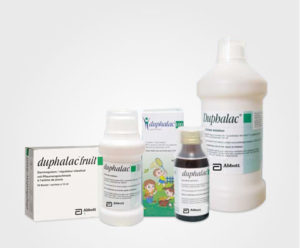
For ease of use, Duphalac has two forms of release: suspension (powder) and syrup, sweet in taste (for convenience, a measuring cup is attached). Suspension is less common. Available from pharmacies without a prescription.
A medicine with a mild laxative effect basically contains the substance lactulose, which is among doctors are considered harmless and finds its use in adults, infants, pregnant and lactating women. Lactulose is the whey that remains after the cheese is made.
The substance enters the stomach in its original and unchanged form and begins to act there, further helping our the body to produce more bifidobacteria and lactobacilli, which has a beneficial effect on the restoration of natural microflora intestines. Healthy microflora plays a critical role in regular bowel movements, which should be done without taking special medications.
How the action takes place
Entering the intestine, the drug increases osmotic pressure. The content in the intestine becomes more, which also affects the consistency, and also increases the peristalsis. In the large intestine, the concentration of water changes, the "knocked down" feces soften and, as a result, the emptying is soft and painless. The physiological rhythm is restored and the constipation disappears.
The instructions for use attached to any form of drug release contains full information about it:
- composition;
- description;
- pharmachologic effect;
- pharmacokinetics;
- indications for use;
- contraindications;
- pregnancy and lactation;

- method of administration and dosage;
- side effect;
- overdose;
- interaction with other drugs;
- application features;
- release form;
- storage conditions;
- shelf life;
- conditions for dispensing from pharmacies.
It is necessary to prescribe the drug strictly according to the indications, taking into account the contraindications.
Application
The big advantage of the drug is the absence of time limits for use. It can be used, if necessary, both once and for the entire required treatment period.
For the elderly, the advisability of taking the medicine is due to the appearance of chronic or very frequent constipation. The disease occurs due to a decrease in blood supply in the small pelvis, weakening of the muscles of the anterior abdominal wall and weakness of the pelvic floor muscles. The drug is generally well tolerated by the elderly and does not impair their blood biochemical parameters. The dosage for the patient is selected individually.

For children, the local pediatrician prescribes the medicine, taking into account the age, stage of treatment and the absence of allergy to the main active ingredient.
A child can tolerate the drug from 6 weeks of age. However, taking Duphalac is strictly prohibited if you suspect appendicitis, intestinal obstruction or intestinal bleeding.
Indications for use
In case of constipation, it is recommended to take Duphalac to regulate the physiological rhythm of the colon.
For constipation and its prevention for medical purposes, it is prescribed in the presence of operations on the colon, hemorrhoids. It is widely used in the treatment of hepatic coma.
Duphalac should not be used in the following cases:
- a special metabolic disorder (galactosemia);
- with intestinal obstruction;
- intolerance to the components of the drug.
The medicine contains a minimum amount of sugars, which makes it possible to use it in people suffering from diabetes mellitus, subject to the strict doses recommended by the doctor.
Mode of application
To achieve the maximum effect, the drug is recommended to be used correctly: at the same time of the day.
Morning is the best time for an appointment. When food enters an empty stomach (ideally a glass of clean, drinkable water), the secretion of a special gastric hormone gastrin begins and peristaltic waves. Entering the stomach with food, it is easier for the drug to enter the large intestine. The suspension should be swallowed quickly, without holding it in the mouth.
For the onset of the desired laxative effect, it is necessary to normalize the water-drinking balance. The softening of stool and gentle bowel movement involves the use of fluid from the body's water reserve. Therefore, while using Duphalac, it is worth drinking more.
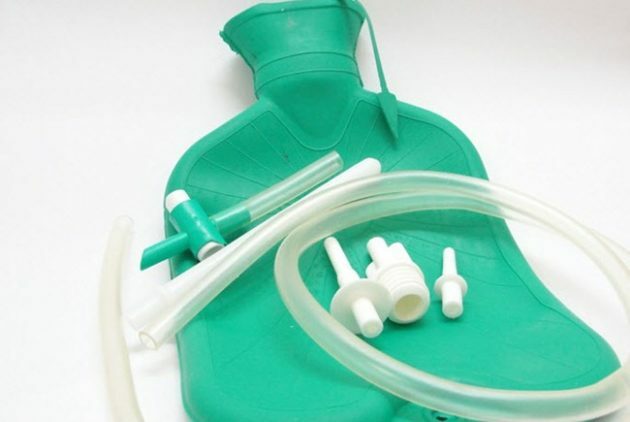
In some cases, the drug is prescribed in the form of enemas in a ratio of 300: 700 (syrup: water).
Dosage
The dose for admission is prescribed in the instructions and is selected by the doctor individually. It is primary and subsequent. It is rational to start taking it after consulting a doctor.
The primary volume of the drug is usually 15-45 ml, the maintenance volume is 10-25 ml. There are cases that the taken one morning dose is not enough, and to improve the effect, it is recommended to take the medicine in the evening. Increasing the dose over several days can lead to unwanted side effects.
The first day of ingestion will usually not produce the desired laxative effect. The drug takes effect two days after the start of use.
In the treatment of hepatic encephalopathy, the drug is prescribed in the form of a powder of 20-30 g or 30-50 ml of syrup 3 times a day. The use of Duphalac for hepatic coma helps to improve the mental state of patients, reduce the severity of the disease and reduce the level of concentration of ammonium ions in the blood.

Side effects:
- Flatulence is the most common undesirable effect in the early days of taking Duphalac. Usually disappears soon.
- Abdominal pains are less common.
- Nausea and vomiting are extremely rare.
All this can lead to an imbalance in the electrolyte balance in the body, which is a consequence of the loss of a significant amount of fluid. This condition is dangerous, as heart rhythm, muscle contractions and brain function are disturbed.
At the first manifestations, you should compensate for the lack of water, stop taking the drug and consult with a specialist on the appropriateness of its further use.
Analogs
As analogues to Duphalac, pharmacies also offer preparations based on lactulose:
- kids powder;
- Lactulak;
- Lactulose;
- Silact.
Reviews about Duphalac
Reviews of the drug are varied. There are many times more positive ones. Patients who have undergone the treatment of constipation with Duphalac believe that it acts an order of magnitude better than Senna, but inferior to Guttalax.
The drug is considered affordable, safe and effective, with positive dynamics. The drug is well tolerated and quickly and gently normalizes the stool. It does not cause addiction and, due to its sweet taste, children drink it with pleasure in a diluted form. Before operations on the pelvic organs, it perfectly helps to free the intestines, which allows the surgeon to carry out manipulations freely. They note a convenient dosage and a wide range of applications as prescribed by a physician.
Duphalac is highly appreciated by specialists treating constipation in the elderly with problems of the cardiovascular system, as well as doctors who help to fight patients with manifestations of hepatic encephalopathy. The result of the action of Duphalac in the treatment of hepatic coma is a decrease in the neuropsychic clinical manifestation of the disease.
Among the disadvantages are called a sugary-sweet taste, the inability to use in patients with intestinal atony and diabetes mellitus, and also severe bloating, flatulence, causing discomfort for several days, and diarrhea, suggesting temporary withdrawal drug.