Beetroot with pancreatitis is it possible or not
Beets are one of the most popular foods in the diet of a large number of people.
Many different dietary dishes are prepared from it, which are part of the therapeutic dietary nutrition for hematological pathologies, diseases of the digestive tract, as well as the heart and vessels.
Beetroot for pancreatitis is an acceptable food. However, in order to avoid adverse consequences, it is required to adhere to the instructions for introducing it into the menu.

Content:
- 1 Product benefits
- 2 Stage of exacerbation of pancreatitis
- 3 Beetroot for chronic pancreatitis
- 4 Cooking beets for pancreatitis
-
5 Recipes
- 5.1 Beetroot baked in oil
- 5.2 Vegetarian beetroot
- 5.3 Boiled beets for pancreatitis
- 6 Beet juice for pancreatitis
- 7 Useful video
Product benefits
Red beet with pancreatitis is an extremely valuable vegetable in composition, which is considered a source of a large number of useful elements needed by the human body:
- complex carbohydrates (rather coarse fiber of plant origin);
- simple carbohydrates (glucose, sucrose, fructose and other types of sugar);
- vitamins A, E, C, B;
- oxalic and other organic acids;
- pectins;
- elements: iron, iodine, potassium, magnesium, cobalt, calcium, chromium, manganese and others.
In view of this composition, the vegetable is able to exert certain positive effects on most tissues and organs:
- Strengthens intestinal motility, eliminates constipation and symptoms of dysbiosis.
- Choleretic action due to increased motility of the gallbladder and its pathways.
- Diuretic effect, which helps to eliminate puffiness and removes toxic substances, decay products.
- Positive effect on the visual organs, the nervous system.
- Normalizes the production of hemoglobin in the presence of anemia.
- Improves blood composition, normalizes the processes of hematopoiesis by the bone marrow.
- Anti-inflammatory effect on the tissues of the mucous membranes of the digestive tract.
- Lipid metabolism is regulated: the formation of atherosclerotic plaques on the vascular walls, the accumulation of fats in the liver is prevented.
- Blood pressure normalizes (increases with hypotension).
- The immune system improves.
Stage of exacerbation of pancreatitis
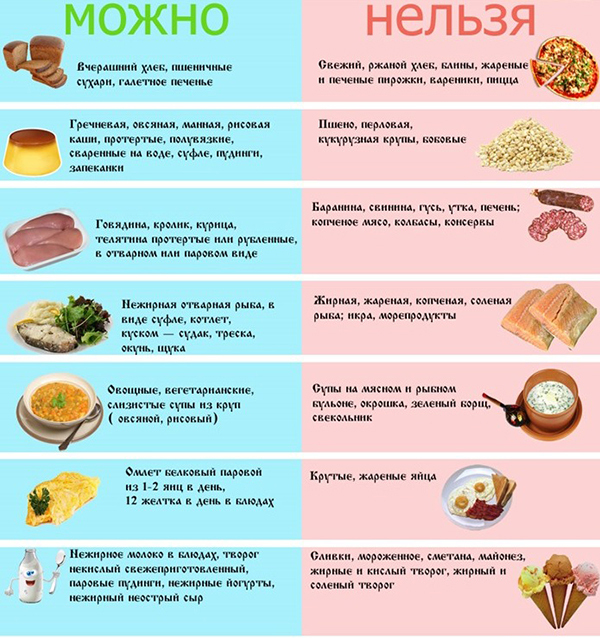
At this stage of the disease under consideration, the patient's diet is extremely limited. Following a strict dietary diet is an important measure for restoring the affected organ to work.
Foods that can cause increased intestinal motility and increase the secretion of gastric juices are excluded from the menu.
Beetroot with pancreatitis, due to the presence of a lot of fiber in the composition, increases intestinal motility.
Therefore, when there are beetroot vegetable dishes with an acute form of pancreatitis, the patient's well-being can become worse due to spasm, increased gas formation in the gastrointestinal tract and diarrhea.
Organic acids of the vegetable increase the production of digestive juice, bile.
This negatively affects the state of the digestive organs and will be expressed by an increase in abdominal pain, heartburn, belching, nausea and other signs of dyspepsia.
Beetroot for chronic pancreatitis
At the stage of remission of the chronic form of pancreatitis, if the patient is not worried about the above symptoms, it is permissible to diversify the menu.
The patient is still forbidden to eat fatty, spicy and fried foods.
A specialist is often asked whether or not it is possible to eat beets and other vegetables, when the acute manifestations of pathology have subsided, whether complications for the pancreas can be avoided.
Doctors advise to gradually saturate the menu with properly cooked vegetables, including beets.
Cooking beets for pancreatitis
The main requirements for taking this root crop during pancreatitis are the required content of the product and a cooking method that is harmless to the pancreas.
To prepare a healthy, tasty dish from this vegetable, it is imperative to carry out heat treatment, since it is too coarse in raw beets fiber that causes increased intestinal motility, exacerbation of any pathological process of the gastrointestinal tract, including - cholecystitis, pancreatitis and gastritis.
Beets should be boiled, baked, stewed, or steamed. Heat treatment helps to make it softer, and in this form, the product is easier to process, and all the necessary elements are absorbed.
The first beetroot meal acceptable for consumption by the patient (approximately 4 weeks after the attack, if the symptomatology of an exacerbation of an acute form of pancreatitis subsided), it is considered mashed potatoes from carefully boiled, crushed root vegetable.
Initially, no more than 1 spoon of such a dish is eaten, then after about a day, the patient's condition is monitored.
In the absence of unpleasant signs, the portion is brought little by little to 100 g per day.
When complaints of pain in the abdominal cavity, intense gas formation, diarrhea appear again, then such a vegetable must be removed from the menu for a longer period of time.
Recipes
Upon reaching a long-term stable remission of the pathology of the pancreas, stomach or gallbladder, the root vegetable will become one of the main products in the diet.
Various dishes are prepared from it. Cooking recipes are quite simple, therefore they are available even to inexperienced cooks.
Beetroot baked in oil
To prepare such a dish, several small root vegetables are selected. Cooking stages:
- Each beet is washed, the roots are cut off and the part that passes into the leaves.
- The peel is not removed.
- Cut in half, put on a baking sheet covered with foil, uncleaned side up.
- Each slice is lubricated with vegetable oil, covered over with foil.
- A baking sheet is placed in an oven preheated to 200 degrees, baked for about half an hour. Readiness is checked by piercing the root crop with a fork.
It is permissible to add other vegetables to the dish: carrots, cabbage, zucchini. The baked beets are skinned, cut into small pieces or grated and used as a side dish for lean meats, fish products, or used as independent dish.
Vegetarian beetroot
Vegetable soup is an extremely healthy dish. To cook it you will need 3 medium beets, carrots, onions, tomatoes - 2 pcs.
The recipe is pretty simple:
- Vegetables are washed and cleaned.
- Beets and carrots are cut into thin strips or grated on a large grater. Finely chop the onion.
- The root crop is laid out in a saucepan with 3 liters of water, put on a small fire.
- Chopped onions with carrots are sautéed in a frying pan with vegetable oil for 5 minutes. The finished stewed mass is laid out in a saucepan, where the root vegetable is cooked.
- Beetroot is cooked over low heat until the vegetables are soft.
- At the end of cooking, add a small amount of salt, finely chopped herbs (dill, parsley), close with a lid. After 2 minutes, the stove is turned off and the soup is infused for another 5 minutes.
This dish is often served for lunch. It is permissible to add 1 liter to it. fat-free sour cream.
According to certain recipes, it is recommended to add canned beans to the soup, but if there is a pathology, this should not be done.
Boiled beets for pancreatitis
The most popular and uncomplicated method of heat treatment of products is cooking. However, so that the root crop does not lose its qualities and brings more benefit to the patient, it is boiled and prepared as follows:
- Medium and small vegetables are cooked whole, large ones are cut.
- You do not need to peel the beets before boiling.
- Vegetables are boiled for about 2 hours, checking the readiness from time to time.
- Root vegetables are prepared without salt and acid-containing components.
Boiled beets with pancreatitis are peeled and then crushed. The smaller the pieces of boiled root vegetables in the dish, the higher the benefits.
Beet juice for pancreatitis
The question often arises whether it is possible to take beet juice with pancreatitis. For a healthy person, it is extremely favorable, since it contains a significant amount of vitamins and useful elements.
However, due to the presence of organic acids, sugar and other biologically active components in acute it is not recommended to take it to the form of the disease, since such elements can cause such consequences:
- Increased secretion and gastrointestinal motility. An increase in acidity, secretion of pancreatic juice, which provokes significant damage to the organ in question in the presence of inflammatory changes.
- Increased glucose in the bloodstream. In diseases of the pancreas, insulin is mainly produced in an inappropriate volume, and sugar is not reduced to the required extent. This leads to the formation of diabetes.
- With a single consumption of such juice in large volumes, blood pressure may suddenly decrease, which leads to the appearance of dizziness, nausea, pain in the head, and unconsciousness.
Dishes from such a root vegetable are added to the menu for pancreatitis very carefully after consultation with a specialist.