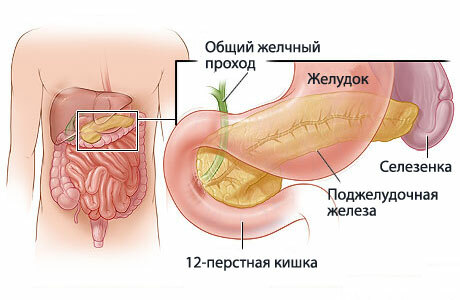
Pancreatic disease signs, symptoms, diagnosis
The pancreas is sometimes called the pancreas. This vital organ has a number of both acquired and congenital pathologies.

Pancreatic disease signs, symptoms
Having briefly classified the ailments of the pancreas, the following table can be given.
Table 1. Classification of diseases of the pancreas
| Type of disease | Subtype or stage of the disease |
|---|---|
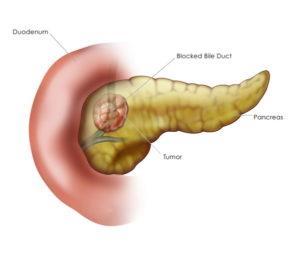 Tumor |
- benign; - malignant; - the potential for malignancy has not been determined. |
 Chronic pancreatitis |
- at an early stage; - at a late stage. |
 Acute pancreatitis |
- acute edematous; - acute necrotic. |
 Congenital anomaly of the pancreas |
- annular pancreas; - ectopic pancreas. |
Content
-
1 About pancreas tumors
- 1.1 Briefly about cancer
- 1.2 About pancreas cancer
- 1.3 Symptoms of ductal adenocarcinoma
-
1.4 Pancreatic NET
- 1.4.1 Symptoms of the disease
- 1.5 About cystic tumors of the pancreas
-
2 About chronic pancreatitis
- 2.1 Symptoms of chronic pancreatitis
- 2.2 Symptoms of chronic inflammation of the pancreas in the early stages
- 2.3 Symptoms of pancreatitis in the later stages of the disease
-
3 Acute pancreatitis
- 3.1 Video - Acute pancreatitis
- 3.2 Acute edematous pancreatitis
- 3.3 Video - Edematous pancreatitis
- 3.4 Acute necrotizing pancreatitis
-
4 Congenital malformations of the pancreas
- 4.1 Ring-shaped pancreas (pancreas anulare)
- 4.2 Ectopic pancreas
About pancreas tumors
We have the right to subdivide the pancreas into two components that work separately from each other: exocrine (enzymes are formed in it), as well as endocrine (here are produced hormones). In the aggregate of tumors of the exocrine pancreas, tumors from the inner epithelial lining in the ducts predominate. Benign tumors of this area of the pancreas from cells synthesizing digestive enzymes or ductal cells of the gland are observed in a small proportion of cases. NETs are formed from cells belonging to the islets of Langerhans - groups of dissimilar cells with different intrasecretory functionality, expressed in the production of hormones.
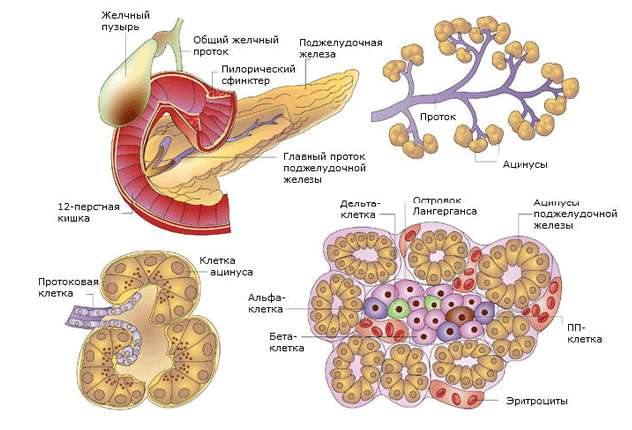
Islets of Largengans
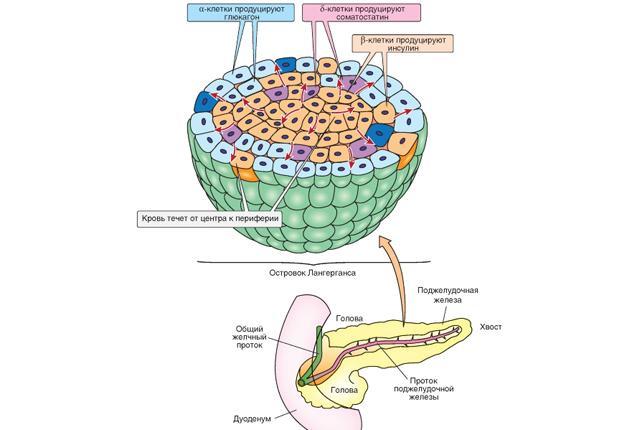
Islets of Largengans, scheme
Table 2. Tumors of the thyroid gland: types and occurrence among all types of tumors of this gland, as well as within their groups.
| Tumor type (determined by localization within the pancreas) | Goodness/ malignancy |
Functioning | Description | Occurrence |
|---|---|---|---|---|
| Tumors of the exocrine gland | - benign; - malignant. |
- | - most of the cases are cysts (cystoadenomas); - 90% of all tumors are adenocarcenomas of the pancreatic ducts. |
- are much more often observed than tumors of the intrasecretory region of the pancreas and in the bulk of most cases refer to malignant tumors. |
| Tumors of the endocrine part of the gland, neuroendocrine tumors, NETs, endocrine tumors | - malignant. | - functioning; - non-functional. |
- the synthesis of hormones is increased; - synthesis of hormones is normal. |
- are found in a smaller part of cases of tumors of the intrasecretory region of the pancreas, accounting for 2-3% of of all cases of tumors in the pancreas, non-functioning (60% of the total NET). |
| Connective tissue tumors | - benign; - malignant. |
- | - the connective tissue forms a kind of skeleton of the gland. | - cases are extremely rare. |
| Tumors of nerve endings | - benign; - malignant. |
- | - nerve endings are present here, as in any other organ. | - cases are extremely rare. |
Briefly about cancer
The development of cancer is characteristic of any tissues and organs of the human body. The process starts from single cells. The process of their division loses control, and they begin their active reproduction inside the body. This is fraught with the growth of this conglomerate to the extent of penetration into other parts of the body. In the absence of treatment for the pathology, the tumor metastasizes to organs that are of vital importance to the body, leading to disorders of their functions. In addition to all of the above negative effects, cancer cells produce production harmful to the body of metabolites, the general effect of which on the state of the body is expressed in the loss of its mass and the loss of appetite.

Pancreatic oncology
About pancreas cancer
Cancer and malignant neoplasm are not synonymous terms. Pancreas cancer is a malignant neoplasm that can consist of both epithelial cells, attributed to the inner lining of the ducts, or those that produce enzymes involved in digestion.
The bulk of cases of pancreas cancer is expressed in the formation of ductal adenocarcinoma. The tumor is classified as malignant, since it grows very intensively, involves adjacent organs, bile ducts, and also vessels, metastasizes and creates the basis for the formation of complications that are very serious for life danger.

Pancreas cancer
Symptoms of ductal adenocarcinoma
The insidiousness of this disease lies in the absence of symptoms that would be characteristic of exclusively for this disease, with the appearance of such, as a rule, already at the stages of late development process. The most common symptoms include general deterioration, loss of appetite, and weight loss.

Adenocarcinoma of the pancreas is manifested by a decrease in body weight, lack of appetite, and a deterioration in well-being
Patients have the following symptoms:
- often there are pains of low intensity in the upper abdomen (as the disease develops, they intensify);
- they are losing weight;
- jaundice appears;
- weakness;
- starts to feel sick;
- loss of appetite.

Patients often complain of pain, weakness, nausea
Localization of ductal adenocarcinoma in the head of the pancreas is more frequent than in other parts of this gland. The most common symptom of this type of disease is jaundice.

Jaundice in a patient
It is associated with the fact that the tumor compresses the bile duct located in the head of the gland, as a result of which it limits the flow of bile from the liver. This phenomenon is associated with the following symptoms:
- the penetration of bile pigments into such a liquid tissue of the human body as blood;
- accumulation of bile pigments in the skin;
- the urine darkens;
- feces brighten.
Due to jaundice, intense skin itching is possible, which quickly passes when the formations blocking the outflow of bile are eliminated. The tumor of the head of the pancreas blocks, including the duct of this gland. This results in stopping the process of moving digestive enzymes into the intestine. The result of what is happening is as follows:
- disturbances in the digestive process;
- weight loss;
- diarrhea.
Diabetes mellitus may be the first symptom of ductal adenocarcinoma. Its development usually occurs either after a diagnosis of cancer of the described gland is made, or after an operation has been performed.
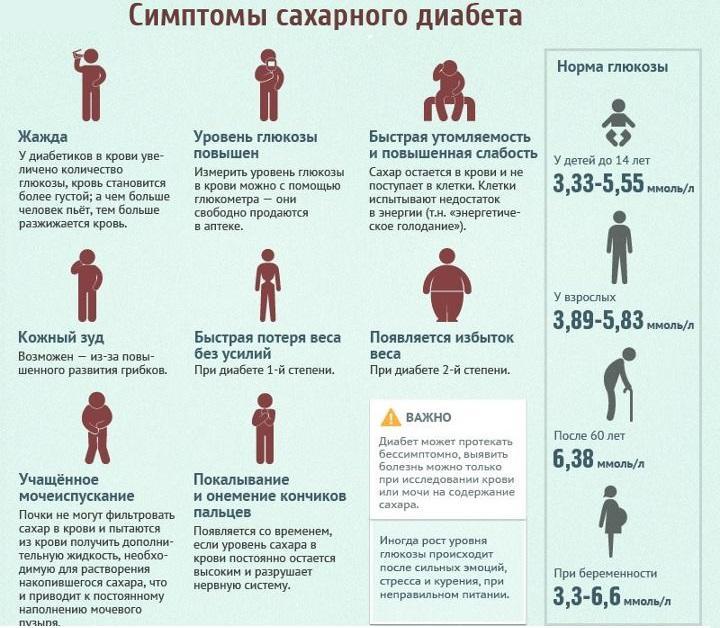
Diabetes symptoms

It is very problematic to identify adenocarcinoma of the pancreas and its head in the early stages. Often, patients turn to a specialist at the stage of active spread of metastases.

Elimination of a cancerous tumor is possible only with the help of its surgical removal
Pancreatic NET
The main function of any endocrine gland is to produce hormones. The pancreas produces several types of these physiologically active substances. The amount of hormones produced is usually closely related to a person's lifestyle. Damage to hormone-secreting cells is fraught with both a decrease and an increase in their producing function. Thus, the regulation of metabolism as a whole takes place.
On a note! The cells of functioning NETs produce such a large excess of hormones that it significantly exceeds the physiological needs of the human body for this particular hormone.
Functioning NETs produce the hormone uncontrollably without any participation of the regulatory systems of the human body - hence the metabolic disorders that carry life. Functioning intrasecretory pancreas tumors are called based on the name of the hormone produced: insulinoma - insulin, glucagonoma - glucagon, and so on.

NET of pancreas in the WHO classification
There are a number of cases when NETs are part of more complex hereditary ailments (multiple intrasecretory neoplasia syndromes). These pathologies are characterized by damage to several endocrine organs, or tumor cells produce a number of hormones of different composition. In the described case, these cells are located in separate clusters in a variety of tissue and organ structures.

Algorithm for a differentiated surgical approach in patients with non-functioning pancreatic NETs
Symptoms of the disease
In non-functioning NETs, the symptoms are generally nonspecific and are largely similar to those in ductal adenocarcinoma. In the case of functioning NETs, the clinic is associated with a hormone, the overproduction of which is observed.
Insulinoma

Insulinoma is a benign (less often malignant) tumor of the pancreas, which develops against the background of abnormal growth of β-cells
The concentration of glucose in the blood (glycemia) is influenced by a number of factors:
- eating food;
- physical activity;
- stress;
- other.
Because of this, she hesitates. Insulin is the only hormone that reduces blood glucose levels. Due to uncontrolled and independent hormonal production by tumor cells, episodes appear hypoglycemia - a condition in which the blood sugar content is below the lower threshold of 3.3 mmol / l.
Hypoglycemia is characterized by the following symptoms:
- severe weakness;
- episodes of loss of consciousness;
- sweating

Hypoglycemia
The described signs pass quickly enough, one has only to take sweet food (sugar, sweets, especially when the latter are absorbed in the mouth). The nonspecificity of symptoms and the relative rarity of insulinoma predetermine the difficulties of timely diagnostics: often patients are observed for a long time by a neurologist with a presumptive diagnosis epilepsy. A special complication of long-term hyperinsulinism is encephalopathy, a condition in which memory and other functions of the brain are impaired. brain as a result of hypoglycemic episodes (a decrease in blood sugar concentration below the permissible level and phenomena associated with a lack of it in the brain brain).
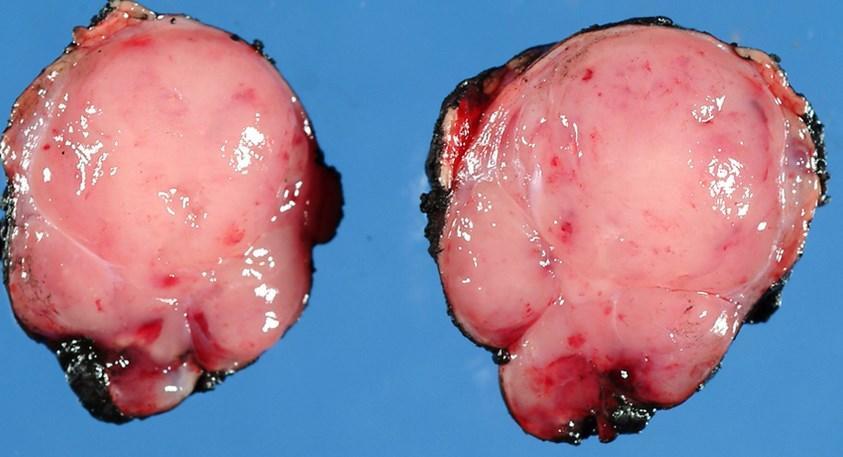
Insulinoma after removal
Gastrinoma
Gastrin is a hormone that stimulates secretory processes for the production of the digestive enzyme pepsin and hydrochloric acid inside the stomach. Normal physiology is characterized by the production of gastrin by G-cells (they are located in the islets of Langerhans (in newborns)) and cells of the outlet gastric part. This part is also called antral. In the case of excessive production of gastrin in the stomach, the normal ratios of factors that protect the mucous membrane are disrupted stomach, and factors of aggression in the direction of increasing the latter (there is a significant increase in the production of acid content). This leads to the formation of treatment-resistant ulcers of the stomach and duodenum, practically unable to be eliminated using standard therapeutic methods, or arising again after stopping the medication against ulcers. As a result of the mass of repeated formations of ulcerative disorders of the structure at the site where the ulcers heal, scars are formed, in most cases in the duodenum. Due to the large amount of acid in the stomach, formed ulcers can become complicated. the appearance of internal bleeding or perforation (perforation) of the stomach wall or duodenum.

Gastrinoma
Glucagonoma
Glucagon is a hormone in relation to insulin, which is a hormone of the opposite action, which increases the proportion of sugar in the blood. When the production of glucagon by tumor cells increases, a person develops diabetes mellitus, and he also exhibits specific changes in the skin (necrolytic dermatitis).

Pancreatic glucagonoma
VIPoma
Vasoactive intestinal peptide (VIP) has a potent stimulating effect on blood flow in the intestinal wall plus intestinal smooth muscle cells. When its physiological level in the blood is exceeded, severe watery diarrhea appears, fraught with weight loss body, exhaustion and dehydration of the patient, a serious violation of the composition of blood plasma in terms of electrolyte content. In especially difficult situations this is called "pancreatic cholera".

Diagnostics of the vipoma
About cystic tumors of the pancreas
Cystic tumors (tumors containing cavities filled with fluid or mucus) of the pancreas are either benign or malignant, or in general, their malignant potential is not defined. Mucus producing tumors are precursors of pancreatic cancer and must be removed (have a high malignant potential).

Pancreatic cystic tumors
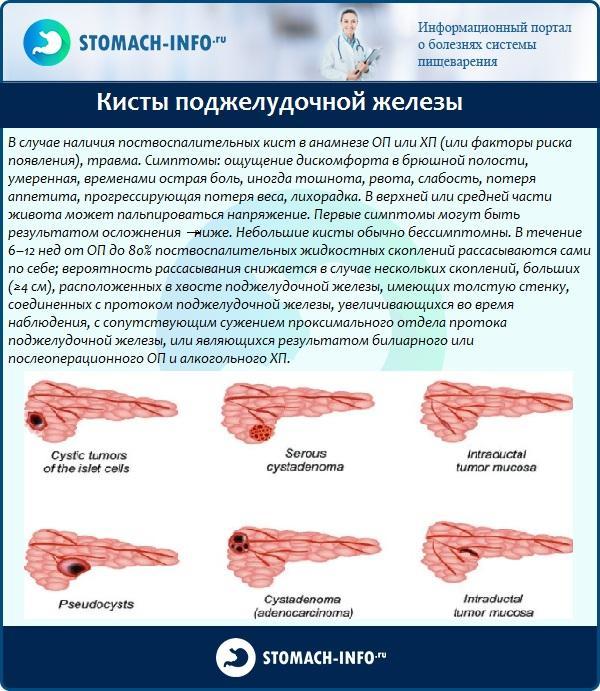
Pancreatic cysts
On a note! Metastases of renal and lung tumors to the pancreas may resemble cystic structures. In addition to the listed tumors, metastases in the specified tumor gland should be included in the same series. colon, skin, breast, as well as NET and acinar cell tumors of the pancreas glands.
About chronic pancreatitis
Chronic pancreatitis is a chronic (long-lasting) inflammation that has become the result of persistent long-term or repeated destructive effects on tissue pancreas. This is associated with a slow but constant death of cells of the gland with functional activity, which, as a result, are replaced in the body by connective (scar) tissue. However, the process cannot be reversed. As a result, the pancreas loses its ability to function normally, that is, exocrine function is limited by reducing the production of enzymes involved in digestion.

Among all diseases of the gastrointestinal tract, the frequency of chronic pancreatitis ranges from 5.1 to 9%
Enzyme deficiency is manifested:
- increased gas formation;
- feeling of heaviness in the abdomen;
- frequent kashchitse-like "putty" stools, often with a fetid odor, oily sheen.
In the future, the following inevitably develop:
- weakness;
- exhaustion;
- insulin production is disrupted due to the death of cells of the "islets" of the pancreas.

Chronic pancreatitis makes itself felt by periodic aching pain in the abdomen
A decrease in the level of insulin in the blood causes impaired glucose metabolism and the development of diabetes mellitus. The disease is associated, for various still not fully understood reasons, with the appearance of gradually increasing pain in the upper abdomen, often spreading to the back.
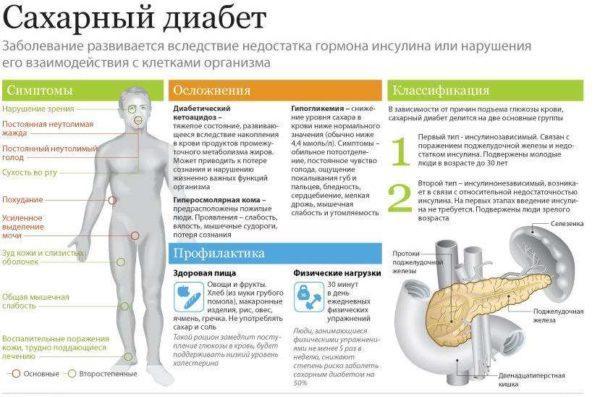
Chronic pancreatitis can cause a very serious endocrine disease - diabetes mellitus, which is problematic to cure
Symptoms of chronic pancreatitis
The signs of chronic pancreatitis differ in the early (first 5–10 years of the disease) and late (more than 10 years) stages of the disease. However, this rule is not universal; exceptions are possible. not infrequently, clinical manifestations are determined by the developed complications, especially after acute pancreatitis (large pseudocysts and others).
Symptoms of chronic inflammation of the pancreas in the early stages
Sometimes (up to 10-15% of clinical cases), manifestations are practically not detected or masked by symptoms of other ailments. The bright structural dynamics of the pancreas is sometimes discovered by chance during an ultrasound or CT scan of the abdominal cavity for other indications.
Diffuse changes in the pancreas, quite often detected by chance during ultrasound, are not an absolute characteristic sign for a disease such as chronic pancreatitis.
In the event that the diagnosis of chronic pancreatitis is undeniable, it can manifest itself in the early stages with the following symptoms:
- pain in the abdomen, above the navel, more often in the middle, less often in the left hypochondrium, as a rule, intensifying 30 minutes after eating, sometimes radiating to the back; more often pains of high intensity, pulling or aching nature;
- flatulence (as a result of a lack of enzymes);
- an increase in the frequency (2-3 times, less often or more often) and / or a change in the consistency and properties of the stool (mushy, enough sticky, "putty" stool, with a greasy sheen and a pronounced disgusting odor) - mainly observed in later stages; the severity of changes increases gradually: at the initial stages of chronic inflammation of the pancreas, the stool may not differ much from normal;
- weight loss (as a result of the low-calorie diet inherent in the prescribed diet, fear of eating due to increased pain after eating, under-digestion due to enzyme deficiency).

Pain is relieved by fasting, applying cold to the projection of the pancreas

Clinical pictures of diseases
Symptoms of pancreatitis in the later stages of the disease
After 5-10 years from the onset of the first symptoms of the disease, abdominal pain can decrease and change its signs - acquire colickiness, get in touch with the process of defecation (bringing improvement after stool), become non-localized (throughout stomach). Flatulence may intensify, as well as change the consistency of the stool (mushy, sticky, "putty" stool, with a greasy sheen and a pronounced disgusting odor). In cases where the patient does not take pancreatin pharmaceuticals in the form of minimicrospheres or microtablets inside capsules, or receives a relatively small daily dose (less than 100,000 lipase units), the following signs:
- weight loss progression;
- signs of a lack of vitamins;
- the formation of anemia.

Signs of a lack of vitamins in the body

Signs of vitamin deficiency

Symptoms of anemia
The reason for this symptomatology is the lack of self-produced enzymes for digestion in the pancreas, which has been altered by the action of inflammation and fibrosis. At this stage of the disease, a large number of patients have diabetes mellitus. The specific symptoms of the latter are absent if it is controlled by drugs (in the bulk of cases, insulin). A strong feeling of thirst, the release of a large amount of urine with an odor that, in addition to the usual, shades of fruit color, dry mouth, large the number of "pustules" on the skin and others may be symptoms of diabetes decompensation (long-term elevated blood glucose levels).
Less commonly, signs of a complicated course of chronic pancreatitis may appear:
- jaundice;
- nausea and vomiting;
- bleeding in the gastrointestinal tract (black stool similar to tar and / or vomiting of the stomach contents that look like coffee grounds, combined with palpitations and decreased arterial pressure).

Common symptoms of gastrointestinal bleeding
Acute pancreatitis
Acute pancreatitis is understood as a rapid inflammation of the pancreas, manifested by damage or death of its cells and its temporary normal functioning. With severe damage to the gland, massive cell death of the pancreas can occur (necrosis or pancreatonecrosis), in conjugation with which various harmful substances are released into the body with the formation of a state that threatens life. In the future, other organs (for example, lung tissues and kidneys) may be affected with a violation of their function. Regarding the volume of inflammation, two main forms of acute inflammation of the pancreas are distinguished: acute edematous pancreatitis and acute necrotic pancreatitis.

Acute pancreatitis is an inflammation of the tissues of the pancreas, one of the main symptoms of which is acute abdominal pain
Video - Acute pancreatitis
Acute edematous pancreatitis
This type of pancreatitis is also called moderate pancreatitis. This is a moderate form of acute inflammation of the pancreas, which develops in about 85% of patients. With this form, a temporary destruction of the described gland occurs, while other organs in most cases are not affected. Typically, patients with this form of the disease become completely healthy without irreversible destruction of the pancreas.
Video - Edematous pancreatitis
Acute necrotizing pancreatitis
Another name for this ailment is severe pancreatitis. In 10-15% of patients, it is he who develops, which is expressed in acute mass destruction of the pancreas tissue with its subsequent necrosis. This most dangerous form of acute inflammation in many cases is fraught with temporary disruption of the functions of other organs and the formation of a life-threatening condition. The latter can create the need for treatment in the intensive care unit for several weeks or even months. After recovery, long-term functional disorders (enzyme deficiency, diabetes mellitus) may persist. The degree of loss of pancreas function is associated with the amount of tissue lost by it.

Pancreatic necrosis
Congenital malformations of the pancreas
Congenital anomalies form during intrauterine development. This is usually due to genetics.
Ring-shaped pancreas (pancreas anulare)

Annular pancreas
This anomaly is formed in the early stages of development due to incorrect movement of the anterior part of the pancreas posteriorly. As a result - the annular coverage of the duodenum by the tissue of the pancreas, the lumen of the intestine becomes narrower and there is a violation of the digestive function. The disease is manifested by the following symptoms:
- vomit;
- epigastric pain;
- jaundice - for all ages.
Impaired outflow of pancreas secretion leads to the development of acute or chronic pancreatitis.
Ectopic pancreas
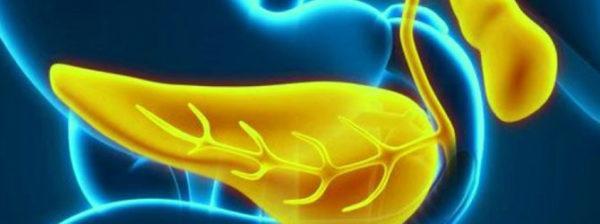
Ectopia of the pancreas is an abnormality associated with an unusual arrangement of pancreatic tissue with its own blood supply and ducts
Another name for this ailment: heterotopic pancreas. Ectopia of the pancreas is a non-standard location of additional tissue in this gland. It has its own blood supply and duct system. In this case, the vessels of this tissue do not come into contact with the main tissue of the gland. The same is true for the nerves and the anatomy of education in general.
On a note! In medical practice, there have been cases of tumor degeneration of the ectopic pancreas.
Ectopic pancreas is often localized in the organs of the chest and abdominal cavities. Most often it is observed in the gastric wall (the most frequent occurrence is 25-60%) or the wall of the duodenum (the incidence in second place is 25-60%) The bulk of cases of the disease reveals the asymptomatic presence of this structure in the human body.
Important! An underdeveloped duct system in the ectopic pancreas is a prerequisite for the development of acute or chronic inflammation.