Diet for liver and pancreas disease
The liver and pancreas are very important organs of the gastrointestinal tract. If their work is disrupted, serious problems can arise that endanger the patient's life. Timely treatment helps to cope with various diseases of these organs, including not only drug therapy, but also adherence to a special therapeutic diet. What is the diet for liver and pancreas disease?

Diet for liver and pancreas disease
Content
- 1 Types of pathologies
- 2 Causes of occurrence
- 3 Typical symptoms
-
4 Power features
- 4.1 Allowed Products
- 4.2 Prohibited foods
- 4.3 Menu for the day
-
5 Prevention measures
- 5.1 Video - Diet to cleanse the liver and pancreas
Types of pathologies
The most common liver diseases include:
- malignant and benign neoplasms;
- helminthiasis;
- steatosis;
- hepatosis;
- viral form of hepatitis.

Liver disease
Pathological abnormalities in the work of the pancreas are often accompanied by the development of the following pathologies:
- the formation of tumors;
- cystic fibrosis is a severe hereditary disease, accompanied by a malfunction of the exocrine glands;
- disorders of assimilation of lactose in the body;
- pancreatitis.

Pancreas
These were just some of the diseases of the pancreas and liver that are diagnosed most often. In fact, there are many more pathologies. They are all accompanied by similar symptoms.
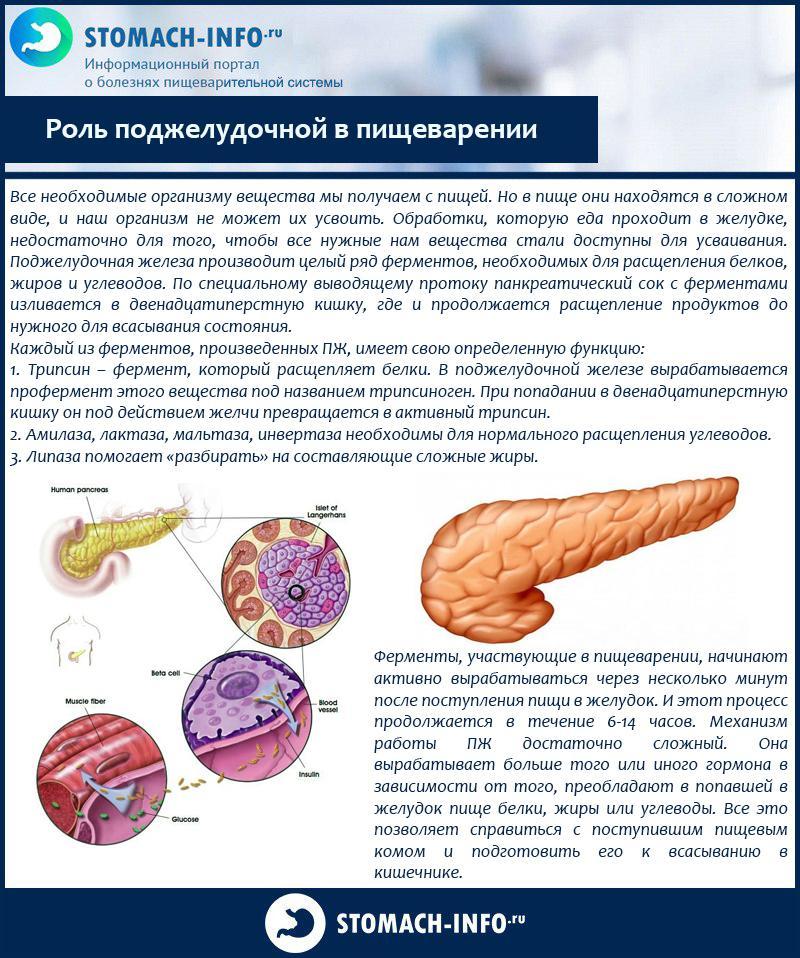
The role of the pancreas in digestion
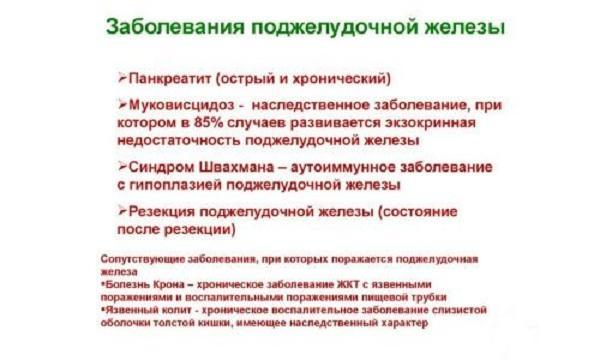
Diseases of the pancreas
Causes of occurrence
Only a doctor can establish the exact cause of painful sensations in the liver or pancreas. This may require in-depth diagnostics, containing several different procedures (laboratory tests, visual examination, palpation, etc.).
Factors contributing to the development of pancreatic pathologies:
- smoking, alcohol abuse and other bad habitsnegatively affecting the work of the pancreas;
- long-term use of potent medications, the most harmful of which are corticosteroids and antibiotics;
- period of bearing a child. As a rule, during pregnancy, the mother's body is exposed to severe stress;
- advanced age. According to statistics, with age, the likelihood of impaired blood circulation in the body increases. This, in turn, leads to problems with the functioning of the pancreas.

Causes of diseases of the liver, pancreas and gallbladder
On a note! Often, an unfavorable environmental situation, severe stress or emotional stress leads to the development of pathologies of the pancreas. A serious impetus for the development of a particular disease is a combination of all or several causal factors.
Now let's consider the most common causes of liver dysfunction:
- development of viral diseases;
- intoxication of the body. If a person is exposed to the negative effects of harmful substances from the environment for a long time, this will eventually lead to problems with the liver;
- diseases of a parasitic or infectious nature. Their development can cause acute pathological changes in the patient's body, for example, cystic liver damage;
- hereditary factor, mechanical damage to the liver and abdomen, acute pathologies of the gastrointestinal tract etc.

The most common reasons
Among all internal organs, the liver has the most pronounced regenerative properties, therefore, the consequences of most pathologies affecting the liver tissue can be corrected with proper treatment. It is worth noting that, depending on the patient's lifestyle, the degree of liver damage with the development of various diseases can vary.
Typical symptoms
Usually, the clinical picture of diseases of the pancreas and liver is practically the same. But there are still some nuances. Consider the common signs of pancreatic disease:
- internal bleeding and jaundice (in rare cases);
- pain in the abdomen;
- general weakness of the body;
- attacks of hiccups and heartburn;
- frequent belching;
- a feeling of bitterness in the mouth.
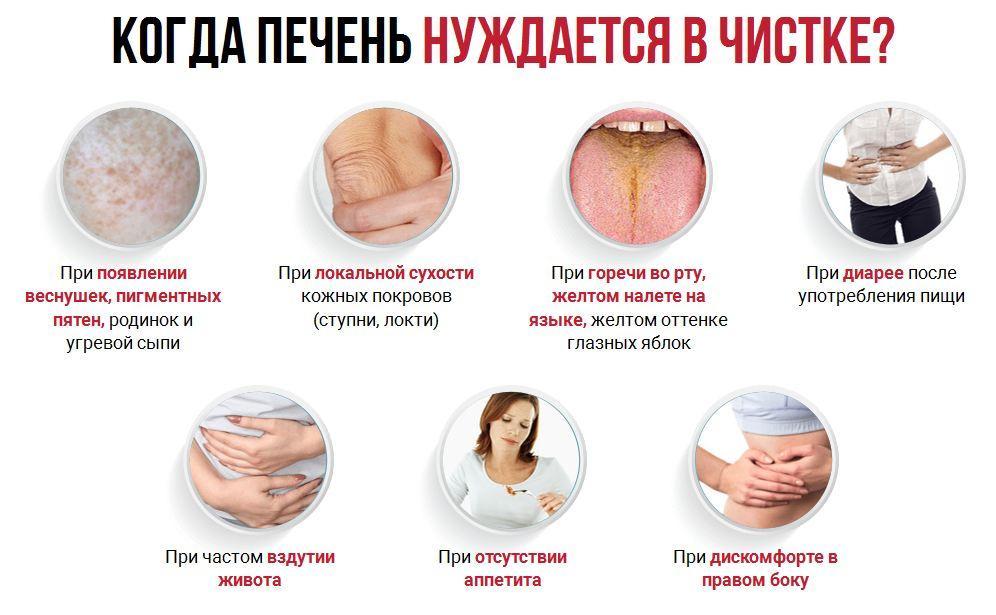
When the liver needs a cleanse

Signs of a sick liver
On a note! Exacerbation of pancreatic pathologies is often accompanied by symptoms such as vomiting, fever, sharp pain in the lower abdomen, and a decrease in blood pressure.
Liver pathologies are usually accompanied by the following symptoms:
- violation of the stool (diarrhea, constipation);
- yellowing of the skin;
- temperature increase;
- increased sweating;
- a sharp decrease in the patient's weight;
- a feeling of bitterness in the mouth;
- the appearance of a rash on the skin;
- dizziness, headache and general weakness of the body.

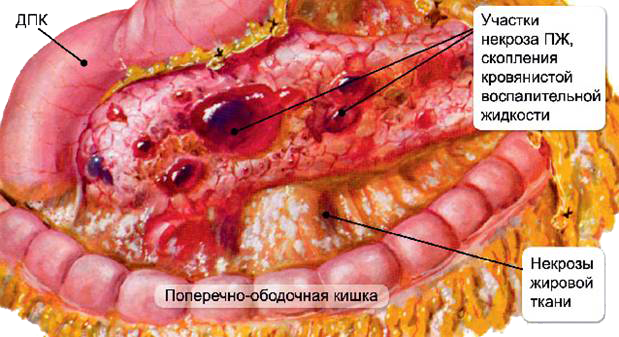
Healthy and inflamed gland
When the first suspicious symptoms appear, you should immediately seek help from a doctor. Only he, after conducting a diagnostic examination, will make an accurate diagnosis and prescribe the appropriate treatment. Of course, the course of therapy must necessarily include adherence to a therapeutic diet.
Power features
As noted earlier, depending on the type and severity of the disease, the patient's diet may vary. The individual characteristics of the patient are also taken into account. In such cases, the correct diagnosis is extremely important, since all diseases can be of a different nature. As a rule, dIeta is prescribed for all gastroenterological diseases, but only as an addition to traditional methods of treatment. A properly formulated diet allows you to take the load off the affected liver, thereby speeding up the healing process. Also, the diet can improve the supply of the pancreas and other organs of the gastrointestinal tract with nutrients.

Dos and Don'ts
The patient's diet for different diseases may be different, but there are certain rules that must be followed regardless of the type of pathology:
- eat fractionally. This means that when treating diseases of the liver or pancreas, the patient should eat often (4-6 times a day), but in small portions. This will speed up metabolic processes in the body and take the load off the digestive system;
- all meals must be steamed, baked or cooked;
- try stop eating salt or at least reduce its amount to a minimum;
- all soups should be puree and cook exclusively from cereals and fresh vegetables.

Eat right
Only the right approach to nutrition will speed up the healing process. The diet is strict but effective. In addition, the correct combination of permitted products will make it possible to prepare not only healthy, but also tasty food.
Allowed Products
With a disease of the pancreas or liver, the patient's diet should contain the following foods:
- white bread in small quantities;
- vegetable soups;
- boiled lean meats and fish;
- fermented milk products with a low fat content;
- boiled pumpkin, carrots, potatoes and beets;
- crumbly cereals cooked in butter or vegetable oil;
- steamed meat patties (preferably in a slow cooker).

What is allowed to eat
You also need to be careful when choosing drinks. Doctors recommend drinking weak green tea, a decoction of their medicinal plants, still water or freshly squeezed juice.
Prohibited foods
A therapeutic diet provides for the exclusion of harmful foods that can harm or disrupt the work of the pancreas and other organs of the digestive system. These are products such as:
- sweet soda, alcohol;
- sweets (chocolate, candy, cookies, ice cream, etc.);
- legumes (beans, peas);
- green onions, sorrel, white cabbage;
- buns and fresh baked goods;
- hot seasonings and spices;
- egg yolks;
- rich soups and broths from fish, mushrooms or fatty meat.

Prohibited foods
Abuse of products from this list will not only slow down the treatment of an existing disease, but also provoke the development of other pathologies of the gastrointestinal tract.
Menu for the day
It does not matter what diagnosis you have been diagnosed - the attending physician should be involved in the preparation of the daily diet for the period of treatment. When choosing products, some factors should be taken into account, for example, the age of the patient, the presence of allergies. You cannot prescribe a diet on your own, as this can only aggravate an already difficult situation.
Table. An approximate diet for diseases of the pancreas and liver.
| Eating | Composition |
|---|---|
| Breakfast | It is advisable to start your day with a curd casserole, weak tea and vinaigrette. The salad can be mixed with a little sour cream for flavor. Oatmeal is also great for breakfast instead of a casserole. |
| Dinner | The second meal should include vegetable soup or borscht, boiled potatoes with fish and bread. Drink fresh berry compote as a drink. |
| Afternoon snack | This meal does not need to be dense, so keep all portions small. Eat buckwheat porridge cooked in a slow cooker, a piece of boiled chicken and some bread. Wash it all down with a glass of vitamin juice or tea. |
| Dinner | For the fourth meal, you can eat 150 g of cottage cheese mixed with strawberries or other fruits for flavor. From drinks, rosehip broth or compote is suitable. |
| Second supper | Approximately 3-4 hours before bedtime, you are allowed to eat an uncomfortable bun with a glass of low-fat kefir. Instead of kefir, you can take another fermented milk product, for example, yogurt. It is not recommended to gorge on this time of day, so get up from the table with a slight feeling of hunger. |
This is just an example of a menu from which you can build on your daily diet. As you can see, even from healthy products, you can cook very tasty dishes. The main thing is diligence.
Prevention measures
As practice shows, most of the diseases of the pancreas and liver can be prevented if you follow special recommendations. Below is a step-by-step instruction, the observance of which will allow you to protect your body from various pathologies of the gastrointestinal tract.
Step 1. Stop smoking. The best way to prevent serious diseases of the pancreas, including cancer, is to reduce the risk factors that you control. Smoking is one of the most important controllable risk factors. Smokers are twice as likely to suffer from pancreatic disease as non-smokers. Research shows this is because harmful substances in cigarette smoke enter the bloodstream, which damages the pancreas. Smoking also negatively affects other organs and systems of a person, for example, the lungs, circulatory system, oral cavity, stomach, etc. If you do not smoke, then it is better not to start this bad habit.

Quit smoking
Step 2. Reduce your alcohol consumption to a minimum. High consumption of alcoholic beverages can increase the risk of developing liver disease (hepatic encephalopathy, cirrhosis of the liver, jaundice, and other pathological disorders). It is very important that you limit your daily alcohol consumption. If you do not drink, then do not start, alcohol should not be a daily occurrence for you. It is advisable to completely eliminate alcohol from your diet, but as an exception, doctors sometimes allow their patients to drink 50 ml of cognac or red wine a day.

Reduce alcohol consumption to a minimum
Step 3. Lose excess weight. Obesity is one of the risk factors for diseases of the pancreas and liver. You can start losing weight by exercising regularly and following a healthy eating plan. Talk to your doctor about an exercise plan and diet that will work best for your situation.

Lose excess weight
Step 4. Limit the amount of fatty meats and poultry with skin in your diet. Preliminary research suggests that too much red meat can lead to severe pancreatic dysfunction, especially in men. Try to eat red meat no more than 1-2 times a week, replacing it with fish or chicken if possible, but without the skin. This will relieve the burden on the digestive system and prevent the development of various pathologies.

Limit fatty meats and poultry with skin
Step 5. Refuse the use of semi-finished products, as the regular use of processed meat (meat that has undergone various changes for prolonging its storage) can provoke the development of serious problems with the work of the digestive system, including cancer diseases. First of all, meat products such as sausage, bacon, hot dogs, salami, beef chops and ham should be excluded from the diet.

Refuse the use of semi-finished products