Nausea, belching with air: the main causes
Nausea and belching are physiological phenomena of the body after eating food. Separately, they are not symptoms of a pathogenic process in the body. The presence of pathology is indicated by the frequent appearance of these symptoms together.
The reasons for the appearance of unpleasant consequences are as follows:
- Eating fatty foods.
- Diseases of the gastrointestinal tract.
- Intoxication of the body. In case of intoxication, poisoning occurs with harmful substances - toxins.
- Disruption of the nervous system.
- Bad habits. Alcohol and tobacco smoking have a detrimental effect on the body, which causes nausea.
- Violation of the diet. When a person does not have a sense of proportion in food intake, this leads to diseases of the endocrine system. Prolonged hunger affects the body no less harmful. The stomach constantly produces a secret that is necessary for the digestion of food. In its absence, it has an adverse effect on the mucous membrane of the organ.
If the malaise appears at different times of the day outside the meal, this indicates the presence of pathogenic processes in the body.
Content
- 1 Improper nutrition
-
2 Diseases of the gastrointestinal tract
- 2.1 Symptoms of the disease
- 2.2 Treatment
- 3 Nausea with nervous disorders
- 4 Causes of nausea in stressful situations
Improper nutrition
In older people, the stomach loses its ability to digest certain foods, such as dairy products. Food begins to ferment in the stomach, from which there is an eructation of air and mild nausea.

A healthy person experiences nausea and frequent belching after consuming certain foods:
- Strong coffee consumed on an empty stomach.
- Alcoholic products.
- Sour food.
- Mushroom dishes.
Junk food provokes malaise due to a lack of enzymes or individual intolerance to certain foods. In this case, the unpleasant consequences can pass on their own.
The occurrence of unpleasant consequences is facilitated by a disturbed diet: overeating, eating at a later time of the day, fasting, eating hot or cold food. The rise in temperature in the stomach destroys its beneficial bacteria, which affects the process of digesting food.
Diseases of the gastrointestinal tract
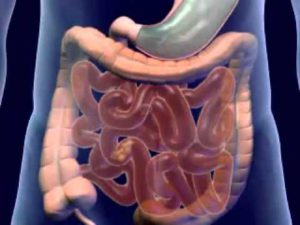
Nausea and belching after eating may indicate the presence of pathology. This feature accompanies:
- Pathogenic processes in the esophagus.
- Diseases of the stomach.
- Inflammation of the mucous membranes of the gastrointestinal tract.
- Diseases of the duodenum.
These symptoms can occur with the development of diseases of the digestive system:
- Cholecystitis.
- Pancreatitis
- Biliary dyskinesia.
- Cirrhosis of the liver.
- Oncology.
- Polycystic.
- Diseases of the thyroid gland.
- The presence of parasites.
Pathology develops under the influence of the following factors:
- Unhealthy food.
- Penetration of pathogenic microflora.
- Viral diseases (tonsillitis, flu, tonsillitis, etc.).
Symptoms of the disease
In addition to feeling unwell after eating, the disease is accompanied by the following symptoms:
- Heartburn.
- Loss of appetite.
- Diarrhea.
- Pain in the epigastric region.
- Bad breath.
- Vomit.
- Dizziness.
- Weakness.
- The body temperature rises.
- Eructation is accompanied by food particles.
- Persistent nausea, in some cases, accompanied by vomiting.
- Profuse salivation.
Symptoms are more pronounced in the morning than in the afternoon or evening.
If you find the above symptoms, you should seek the advice of a therapist. Treatment is prescribed after examination and diagnosis. The examination includes palpation in the epigastrium, fibrogastroscopy, fibrogastroduodenoscopy, radiography.
Such manifestations can be signs of the development of oncology, in this situation, abdominal pain is added to the symptoms, especially in its upper part, nausea with vomiting and aversion to meat.
Lack of timely treatment is fatal.
Treatment
Belching with nausea lends itself to traditional correction. For this, complex treatment is used with the use of medicines:
- To stimulate motor skills. They eliminate cramping by blocking the formation of food lumps in the stomach. It is prescribed for weak gastric motility and chronic gastritis.
- Enzymes. Used to improve digestion. Prescribed for inflammation of the pancreas.
- Enveloping antacids. They are used for diseases accompanied by heartburn, as well as inflammation of the mucous membranes of the stomach.
- Means for the normalization of the intestines.
- Choleretic drugs. They are prescribed for chronic non-calculous cholecystitis in order to eliminate bile stagnation.
- Antiemetic medicines. These drugs relieve the nausea symptom and eliminate belching by acting on the receptors in the brain responsible for gagging.

An integral part of the treatment of diseases with these symptoms is dietary nutrition. Unhealthy foods (fatty foods, carbonated drinks, alcohol, spicy foods) are completely excluded from the diet.
Meals should be balanced and fractional. Hunger and overeating negatively affect the functioning of the abdominal organs.
Empty belching after eating, not accompanied by nausea, is a normal physiological phenomenon and does not require treatment.
If severe vomiting and intestinal disorders join the nausea, stomach flu (rotavirus) is possible. This condition threatens to dehydrate the body. If these symptoms appear, you should immediately consult a doctor.
Nausea with nervous disorders
If a nausea symptom is accompanied by dizziness and headache, this indicates a nervous breakdown. This happens with head injuries and pathogenic processes in the brain.
The presence of these manifestations suggests that neurosis covers a large part of the brain and upsets the autonomic function of the body. The patient feels unwell for several days. This is reflected in the physical and emotional state of a person. He becomes irritable and tired. The body spends all its efforts to maintain vital functions, working in a stressful mode, which causes the above symptoms.
The nausea symptom is triggered during phobias and panic attacks. This is a sign of a mental disorder. Malaise is a reaction to increased psychological stress. This is reflected in the general condition of the patient. His heart rate increases, blood pressure rises or falls, sweating rises, and stiffness of movements may appear.

Nausea in this case increases gradually. First, the nerve centers are activated. The brain receives a signal about the onset of danger, after which the body directs its efforts to fight the source of danger. There is a decrease in appetite. Having received an alarm signal, the organs of the gastrointestinal tract, instead of digesting food, release the body from it. This is due to the cessation of the supply of enzymes. After a loss of appetite, a signal is sent to the brain that blocks neurohumoral centers that are responsible for increasing appetite.
Medical treatment in such a situation will not bring results. The patient is appointed to consult a psychiatrist, psychologist, neurologist. According to the survey results, sedatives, relaxation and other methods of calming are prescribed.
Causes of nausea in stressful situations
There are four factors that trigger the nausea symptom in stressful situations:
- Aerophagia. Under stress, heart rate and respiration are reflexively increased. In this case, air enters mainly through the mouth, entering the esophagus and stomach. The accumulated air exits through the esophagus. The consequence is strong belching.
- Skeleton muscle hypertonicity. The muscles of the skeleton are strongly tense with increased excitement. Adrenaline is produced, the muscles turn to stone, the tone spreads to the internal organs, the victim is tormented mild nausea.
- Psychological stress. When the load increases, the body gets rid of food for the purpose of relief. Frequent urination and bowel upset are added to the unpleasant symptoms.
- The patient's mood for gagging. If earlier a person reacted to a stressful situation by vomiting, he expects it to appear again. Than gives the brain the right signal.