Heart hurts and nausea: what it can be, signs of what diseases
Diseases of the heart and gastrointestinal tract cause pain syndromes in the region of the main organ, vomiting and dizziness. Only an experienced specialist can determine the correct diagnosis, since these signs are inherent in numerous diseases of varying severity and health risks.
The doctor will help prevent serious complications by prescribing the correct treatment. Let's look at the most common diseases that cause discomfort and nausea, and that affect the patient's health.
Content
-
1 Heart failure
- 1.1 Causes
- 1.2 Symptoms
- 1.3 Diagnostics
-
2 Tachycardia as a cause of nausea, heart pain
- 2.1 Causes
- 2.2 Manifestations
-
3 Heart attack
- 3.1 Causes
- 3.2 Symptoms
-
4 Diseases of the gastrointestinal tract that cause nausea and discomfort in the heart
- 4.1 Causes of vomiting with bronchitis
- 4.2 Other manifestations of bronchitis
- 5 Pain in the heart and nausea in children
-
6 Differences between heart pain and others
- 6.1 Noncardiogenic
- 6.2 Cardiac
Heart failure
The disease is a complication of various kinds of pathologies. In heart failure, the main organ gradually loses its pumping function.
Causes
Failure is caused by ischemic disease, arterial hypertension and cardiomyopathies. Rarely, pathology develops as a result of anemia, hyperthyroidism and fever.
Symptoms
Signs depend on which area of the organ is malfunctioning. May appear:
- Cardiopalmus.
- Cough.
- Pallor of the skin.
- Head migraine.
- The liver is enlarged.
- Pain in the chest area.
- Nausea and vomiting.
Nausea and vomiting result from lung toxicity along with heart failure.
Diagnostics
A lack of blood supply to the heart can be detected by electrocardiography. Also, doctors widely use ultrasound in making a diagnosis. In the pulmonary circulation, stagnation is detected using an X-ray examination.
Tachycardia as a cause of nausea, heart pain
Tachycardia is not a disease, but a manifestation of many organ pathologies. The result is an accelerated contraction of the "motor" muscles. Tachycardia causes contractions in excess of 100 beats per unit of time.
Causes
The condition is caused by stress, lack of air, increased physical activity, as well as when taking certain medications. Also, the reasons include:
- Acute and chronic heart failure.
- Angina pectoris.
- Myocardial infarction.
- The presence of heart defects.
- Myocarditis of various origins.
- Cardiomyopathy.
- Pericarditis.
- Embolism.
- Cardiosclerosis.
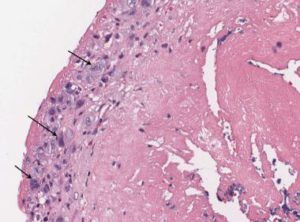
- Bacterial endocarditis.
Bacterial endocarditis
Also, the causes are factors not associated with heart disease. These include the disease:
- Pheochromocytoma.
- Malfunctions of the autonomic nervous system.
- Endocrine disorders.
- Diabetic ketoacidosis.
Manifestations
With tachycardia, the signs directly depend on what kind of disease it developed. So a person notices:
- Pain in the area of the organ.
- Insomnia.
- Disturbance of taste.
- Lack of air.
- A weak pulse is traced.
- Nausea and vomiting.
- Pallor of the skin.
- Headache.
- Deterioration of vision.
- Dyspnea.
Human infarction
Heart attack
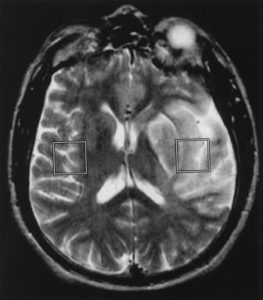
A heart attack can occur as a result of circulatory disorders. If the blood supply is disturbed, then within 15 minutes necrosis of the area in which there was a lack of nutrition occurs.
Causes
The cause of a heart attack is thrombosis of the organ's arteries. An attack may result from rupture of an atherosclerotic plaque. Other causes of heart attack:
- Smoking, it disrupts the work of the blood vessels.
- Obesity.
- Low mobility.
- Genetic predisposition to disease.
- Chronic high blood pressure.
- Diabetes.
- Improper nutrition.
- An excess of cholesterol in the blood.
- Regular stress.
- Excessive physical activity.
Symptoms
With a heart attack, first of all, the heart hurts. The uncomfortable feelings are acute and squeezing in nature. Also, a pre-infarction condition can cause a burning sensation and return to other parts of the body.
The symptom of a heart attack can also occur at rest. Patients who have had a heart attack observe that the feeling of discomfort does not go away after taking nitroglycerin.
Patient with a heart attack:
- Be sick;
- Discomfort in the abdomen appears;
- The heart rhythm is disturbed;
- Sweating appears;
- Rapid pulse;
- Disturbed by head migraines;
- The head is spinning;
- Trembling appears in the body;
- Feeling light-headed.
Diseases of the gastrointestinal tract that cause nausea and discomfort in the heart
Pain associated with disturbances in the digestive system is similar to the manifestations of various pathologies. So, an unpleasant feeling in the region of the heart and nausea may well appear. Other manifestations of gastrointestinal diseases:
- General weakness.
- Pain in the abdomen.
- Diarrhea or constipation.

A feature is only the longest duration of pain syndrome, as well as nausea ends with vomiting. So the symptoms occur along with:
- stomach ulcer;
- diaphragmatic hernia;
- rupture of the esophagus;
- acute pancreatitis.
Rupture of the esophagus is a very dangerous pathology and requires immediate medical attention, as it can be fatal.
Nausea and chest pain with bronchitis
Bronchitis is an acute inflammatory disease of the airways. The patient's life changes dramatically with the development of pathology. In clinical pictures, there is a cough with urge to vomit, fever, shortness of breath and pain in the chest associated with a constant load on the muscular apparatus.
Causes of vomiting with bronchitis
The disease develops as a result of infection with viruses or bacteria. Also, some types of fungal organisms and allergens cause bronchitis.
Choking and severe coughing can lead to vomiting. It is extremely rare for an adult to experience an unpleasant symptom due to the stability of the immune system. What causes the symptom:
- individual intolerance to drugs;
- wrong diagnosis;
- allergic reaction to therapy.

An alarming symptom is manifested in the chronic form of bronchitis. In this case, cough occurs more often in the morning and in dusty rooms.
Other manifestations of bronchitis
Along with nausea and pain in the heart, previously manifested signs are observed:
- Severely dry cough.
- Chills appear.
- Weakness and headache.
It is very important to cure bronchitis, since, passing into a chronic form, it lowers immunity and disrupts bronchial patency.
Pain in the heart and nausea in children
An alarming symptom in children arises from the same factors. A certain number of diagnoses are diagnosed in a child more often than in an adult.
- A super-intense blood supply is carried out by the hearts of babies. This is due to the uneven growth of blood vessels and the organ itself. As a result, the region of the heart undergoes painful sensations.
- The chest can hurt in moving children. The nature of the pain that comes as a result of physical exertion. The child's vegetative system is not fully formed and cannot cope with the load. Therefore, a child who has frequent symptoms should not do vigorous exercise.
The heart beats violently and hurts only during physical activity. At rest, she dies down.
Autonomic dystonia can be the cause of pain. It is accompanied by stabbing pain in the chest. Parents should also pay attention to painful sensations in the area of the heart that have arisen after colds. Unpleasant sensations may indicate the development of rheumatism or myocarditis.
Differences between heart pain and others
Burning and squeezing painful sensations always cause the thought of a heart problem. Experts note some differences between non-cardiogenic pain and heart pain.
Noncardiogenic
An unpleasant symptom is not associated with organ pathologies and is characterized by:
- Stabbing feelings.
- Pain radiating to the left arm when coughing.
- Unpleasant sensations cause sudden movement.
- Nitroglycerin is not effective.
- They are permanent.
Cardiac
Pain as a result of cardiac pathologies manifests itself as follows:
- Feels heaviness.
- Periodic burning sensation in the region of the heart.
- The sensations are squeezing in nature.
- They appear spontaneously.
- Feelings of discomfort subside thanks to the intake of nitroglycerin.
To prevent relapses, you need to strictly monitor your lifestyle. Strong coffee and alcohol are not foods for people with heart disease.
For any discomfort, and especially in the area of the main organ, you should consult a doctor. Only an experienced specialist will be able to make the correct diagnosis and prescribe the correct therapy.