Why is coffee sick: reasons for what to do
Up to 90 percent of the world's population consumes coffee, according to a study by Columbia University School of Public Health. Drinking an invigorating drink can cause discomfort, including nausea. Knowing the reasons for feeling unwell, it is not necessary to give up coffee, you must follow the recommendations in a particular case.
Content
-
1 Fasting coffee
- 1.1 Impact on the gastrointestinal tract
- 1.2 Coffee antioxidants
- 1.3 Cortisol
- 1.4 Recommendations
- 2 Caffeine
-
3 Overdose of coffee
- 3.1 Overdose symptoms
- 3.2 Recommendations
- 4 Hypertension
- 5 Gastroesophageal reflux disease (GERD)
- 6 Causes of nausea from smell
- 7 Drinking coffee additives
Fasting coffee
Lovers of the morning coffee ritual do not understand what health risks are. Drinking coffee on an empty stomach causes serious damage to the digestive, nervous, and blood systems.
Impact on the gastrointestinal tract
The primary link between coffee and nausea is that coffee drink is a strong gastrointestinal irritant and can cause stomach upset, including nausea.
When coffee enters an empty stomach, it stimulates the secretion of hydrochloric acid in the digestive system. Hydrochloric acid is used to break down food. Drinking coffee drinks on an empty stomach leads to indigestion, insufficient breakdown of protein. Proteins "stuck" in the digestive system, not completely dissolving, cause problems with health - from bloating, nausea, irritable bowel to colon carcinoma, gastritis, ulcers.
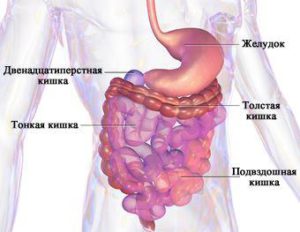
Human gastrointestinal tract
Coffee antioxidants
The antioxidant properties of the coffee drink derived from chlorogenic acid contribute to the maintenance of health and the treatment of colon cancer. Coffee on an empty stomach has the opposite effect.
Cortisol
Drinking an energizing drink on an empty stomach triggers the release of cortisol, a stress hormone, directly into the bloodstream. Cortisol is essential for energy production and health. If levels rise steadily, cortisol gradually decreases serotonin stores, leading to depression, excess weight, and sleep deprivation.
Recommendations
- Do not drink coffee on an empty stomach, it should be consumed with food, before, after meals.
- Drink a glass of water during, after coffee. The body gets the water it needs, reduces the risk of nausea, water provides an energy boost, and you don't need an extra cup of invigorating drink.
- Use dark roasted coffee beans. Darker roasted beans have lower acidity. The chemicals generated during the roasting process make it difficult for stomach acid to build up.
- Drink coffee blends designed for people with stomach problems. They are "softer" for the digestive system and cause fewer bouts of nausea.

Caffeine
To know the causes of nausea from coffee drinks, it is important to understand what caffeine is. It stimulates the central nervous system.
Stimulants have a huge impact on the human body: they increase the production of adrenaline, speed up heart rate and respiration, and increase blood pressure. Caffeine has serious consequences. Stimulant effects can cause headache, anxiety, insomnia, dizziness, irritability, poor concentration, and nausea.
High caffeine levels lead to dehydration, a major contributor to nausea.
Recommendations:
- Drink coffee within normal limits. Reactions to coffee drinks are different, the amount of coffee that is right for one gives side effects to the other. A safe amount to drink is 250-350 mg of caffeine, or 3 cups per day.
- Reduce strength, change cooking method.
- Choose heavily roasted grains. The strength of the coffee is influenced by the type of roast and quantity. Dark roasts contain less caffeine than light roasts.
- Start adding more water, milk, then the concentration of caffeine in the drink will decrease.
- If the use of caffeine is medically prohibited, decaffeinated coffee or tea is an excellent substitute.
Overdose of coffee
Overdose of caffeine is caused by drinking too much coffee. The average consumption rate differs depending on age, weight, health status. Teens should limit themselves to no more than 100 mg of caffeine per day. Pregnant women should limit their daily intake to 150 mg or avoid completely - the effect of caffeine on the baby is not known.
The average period for elimination of caffeine from the body is 2-10 hours. The wide range makes it difficult to accurately quantify the amount of caffeine that is safe to consume.
Overdose symptoms
Common overdose symptoms include dizziness, increased thirst, diarrhea, and nausea.
Other symptoms are more serious and require immediate treatment: shortness of breath, vomiting, hallucinations, convulsions.
Infants overdose when breast milk contains excessive amounts of caffeine. Symptoms include nausea, constant tension, muscle relaxation. More serious overdose symptoms: vomiting, rapid breathing, shock.
Recommendations
- Mild symptoms are treated with plenty of drinking water and eating foods high in potassium.
- It is necessary to remove caffeine from the body. Activated charcoal is suitable - a remedy for an overdose of narcotic drugs, preventing the ingress of caffeine into the digestive tract.
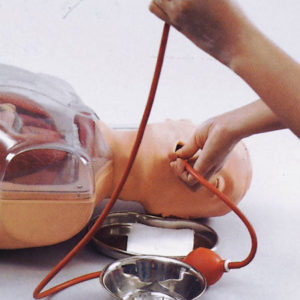
- If a child or a person is experiencing serious symptoms, you should immediately contact a specialist for diagnosis, treatment. The doctor will be able to correctly prescribe the treatment. If caffeine has entered the gastrointestinal tract, it is necessary to take a laxative, do a gastric lavage.
Hypertension
Nausea from coffee can be caused by increased blood pressure, intracranial pressure. Scientists have proven that small amounts of coffee drinks do not affect the manifestation of hypertension, they make the blood vessels elastic. High blood pressure is caused by a combination with unhealthy diet, stress, excess weight, alcohol abuse. It is necessary to worry if symptoms appear with nausea: dizziness, weakness, heart palpitations.
Recommendations:
- Eat right, give up alcohol, lead a healthy lifestyle.
- Consult a doctor, he will prescribe treatment and determine the possible amount of consumption of dangerous food and drinks.
Gastroesophageal reflux disease (GERD)
GERD is a chronic disease characterized by the discharge of stomach contents into the esophagus. The symptom of GERD is nausea. The coffee drink stimulates the body's secretion of stomach acid, which is a problem for people with GERD.
Recommendations:
- At the first symptoms of the disease, the consumption of the drink should be excluded.
- Seeing your doctor is the only way to know if you have gastroesophageal reflux disease and what follow-up treatment is.
Causes of nausea from smell
Coffee has a pronounced, rich aroma. The coffee smell has no contraindications, side effects. Nausea indicates problems in the body, the development of diseases, or the presence of an allergic reaction. The reasons are:

- Pregnancy. The sense of smell of a pregnant woman increases, the hormonal background changes - the smell can irritate a woman.
- Diseases of the nervous system, increased intracranial pressure.
- Neurological and endocrine diseases.
- Stressful situations.
- Gastrointestinal problems.
- Allergy.
Nausea from smell coffee that appears suddenly should alert. The exact reason will be determined by the doctor.
Drinking coffee additives
Artificial and zero nutritive sweeteners activate gut bacteria, leading to indigestion.
Non-dairy, fat-free and artificial creams, artificial sweeteners are not the best additives to drinks. Cream contains harmful ingredients - hydrogenated oils, corn syrup, thickeners, and other unnatural, harmful ingredients. Dipotassium phosphate, an ingredient used to break down the acidity of coffee, can lead to diarrhea and nausea.
To reduce acidity and obtain a mild taste, add natural milk or natural cream. Doctors recommend avoiding supplements. Black coffee without sweeteners, cream is much healthier and reveals more taste.