Why does the intestine hurt after eating: reasons for what to do
Previously, they never suffered from diseases of the gastrointestinal tract, but now meals are accompanied by pain in the intestines. You have to give up your favorite products, trying to save yourself from unpleasant sensations. Pain after eating makes it difficult to live fully. What are the causes of the disease and how to treat it? What if the pain is caught at the wrong moment? You will find answers to these and other questions by reading the article to the end.
Content
-
1 Causes of pain
- 1.1 Irritable bowel syndrome
- 1.2 Colitis
- 1.3 Enteritis
- 2 Prevention of gastrointestinal diseases
-
3 How to relieve an attack of pain
- 3.1 No-shpa
- 3.2 Novospaz
- 3.3 Papaverine
-
4 Treatment of intestinal pain with traditional medicine
- 4.1 Mint
- 4.2 Flax-seed
- 4.3 Horsetail and yarrow
- 4.4 Dill
- 4.5 Gastrointestinal collection
-
5 Medicines for gut pain
- 5.1 Brulium
- 5.2 Smecta
- 5.3 Bifilar
Causes of pain
First of all, the cause of intestinal problems is malnutrition: nighttime snacks, heavy foods, insufficient chewing of food, non-compliance with the water regime. Sometimes the pain is accompanied by diarrhea, gas - such symptoms indicate poisoning or allergies. An unsuitable product causes fermentation and irritation of the intestinal walls. It is worth revising the menu and identifying the allergen. If the basic rules of a healthy diet are followed, but the person still suffers from gastrointestinal ailments, this indicates the presence of diseases.
Irritable bowel syndrome
The disease occurs in people of different ages. Irritable bowel syndrome is characterized by abdominal pain, cramps, diarrhea, abdominal swelling, bloating, and a feeling of full bowel after emptying. After eating, all of the above increases. The causes of the onset of the disease are:
- Hereditary predisposition.
- Nutritional errors.
- Increased growth of intestinal bacteria - dysbiosis.
- Disruption of the nerve connections of the part of the brain responsible for the functioning of the gastrointestinal tract.
Colitis
Disease occurs due to intestinal damage by bacteria. Initially, the wall of the colon swells, the normal mode of functioning is disrupted, the secretion of mucus and the appearance of symptoms begins:
- Weakness of the body.
- Pain in the intestines after eating.
- Nausea.
- Increased body temperature.
- Constipation.
- Loose stools.
The main causes of the disease: unhealthy diet, dysbiosis, food allergies, disruption of the digestive organ after a laxative, frequent use of enemas, heredity. Pain after eating with colitis appears in the lower abdomen on the left or right.
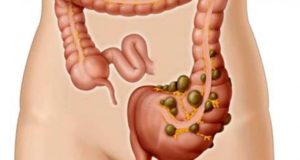
Colitis disease
Enteritis
Enteritis is a disease of the small intestine. The normal functioning of the organ is disrupted due to inflammation. Disease appears due to:
- Acute intestinal infection;
- Poisoning by toxic substances;
- Overeating;
- Excessive alcohol consumption;
- Intolerance to certain products;
- Drug allergy;
- Smoking;
- The colonization of the intestines with parasites.
The main symptom is loose stools up to 15 times a day. Additionally, the disease is characterized by nausea, sharp pain in the abdomen after eating. Emerge white plaque on the tongue, bloating, dry skin.
Prevention of gastrointestinal diseases
Disruption of the digestive process leads to a malfunction in all body systems. The main cause of diseases of the stomach, small intestine, and large intestine is unhealthy diet. You should not go on a strict diet, it is enough to adhere to simple rules:
- The last meal is three hours before bedtime (digestion slows down at night, undigested food ferments in the intestines).
- Compliance with the drinking regime: at least two liters of water.
- Three main meals, two snacks (the heaviest foods are eaten at lunchtime).
- The menu consists of 60% fresh vegetables and fruits.
- There is a minimum of fried, smoked, spicy, sweet.
The sown cause of diseases of the gastrointestinal tract is infection. Wash your hands thoroughly before and after eating. If possible, vegetables and fruits should be doused with boiling water.
Choose food carefully: fewer chemicals, preservatives.
It is worth reducing the amount of alcohol, cigarettes, if possible, completely abandoning it.
How to relieve an attack of pain
It happens that the pain caught at the wrong moment: at work, an important event, before a holiday. It is easy to get rid of it quickly at home, but it makes no sense to constantly remove the pain. After the first attack, you should see a doctor and start treatment.
Relieve intestinal pain with conventional antispasmodics.
No-shpa
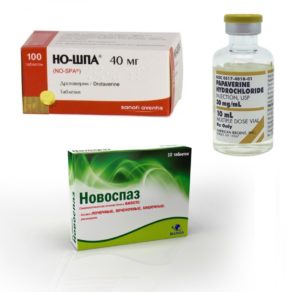
A popular drug, available in tablet format. The active ingredient is drotaverine, excipients: corn starch, talc, magnesium stearate, povidone. Country of origin: Hungary. With intestinal spasm, drink two tablets once.
Novospaz
Medication from India. It has antispasmodic, analgesic, anti-inflammatory effects. Basic substances: Ibuprofen, Pitofenone, Fenpiverinium bromide. If intestines hurts, take four times a day, one to two tablets. In case of an acute spasm, three tablets are taken. Contraindications: pregnancy, intolerance to the components of antispasmodic drugs.
Papaverine
Russian antispasmodic. The active ingredient is Papaverine Hydrochloride. Take two tablets once or one and a half tablets three times a day.
To quickly relieve a spasm, an antispasmodic in the required volume is washed down with a decoction of mint, after which an enema is made in the amount of 200 milliliters with a decoction of lemon balm or mint. After this, there is a discharge of gases and loose stools. For 12 hours after the spasm, eating is strictly prohibited.
Treatment of intestinal pain with traditional medicine
The effectiveness of folk remedies has been proven by centuries of practice. Today, most experts prefer preparations with natural ingredients in the composition. "Grandma's" remedies relieve spasm and pain well, treat the gastrointestinal tract. If after eating a stomach ache, frequent diarrhea, bloating in the stomach, decoctions of seeds and herbs will come to the rescue.
Mint
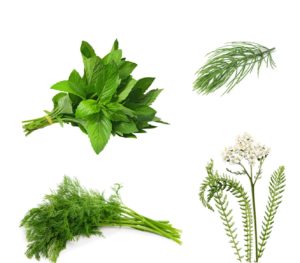
Brew the dried, chopped grass with boiled water, leave for 15 minutes. You can make a decoction in a water bath: add mint to cold water and boil for 5 minutes. Made from the calculation: two tablespoons of herbs in a glass of water. The broth is filtered and drunk twice a day, half a glass after meals.
Flax-seed
You can heal the intestines with seeds. 4 tablespoons of flax are poured with half a liter of boiling water. The container is wrapped in a towel, the broth is infused for 20 minutes. Take 5 tablespoons three times a day.
Horsetail and yarrow
To prepare the broth, mix 20 g of horsetail and yarrow each. Pour the collection with a glass of boiling water. Infuse the broth in a preheated oven for 2 hours. Drink half a glass three times a day before meals. Treatment once every 3 months will help you forget about intestinal cramps forever.
Dill
The broth is perfect for emergency treatment. It is easy to do: pour a tablespoon of dill seeds with a glass of water, let it brew for 20 minutes. Take with a strong contraction of the intestine in half a glass.
Gastrointestinal collection
The collection is sold ready-made in the pharmacy. Ingredients: chamomile flowers, peppermint leaves, dill seeds, calamus rhizome, licorice root. Excellent antispasmodic, anti-inflammatory, antiseptic, choleretic agent. Suitable for solving any ailments of the digestive system.
A tablespoon of collection (two filter bags) is poured with 200 milliliters of boiling water. Insist for 20 minutes. Drink one third of a glass three times a day 15 minutes before meals. Contraindications: pregnancy, lactation, allergy to some component of the drug, calculous cholecystitis, exacerbation of stomach ulcers, duodenal ulcer. It is better to carry out the treatment in a course (14 days), otherwise the pain will arise again.
Medicines for gut pain
They approach the treatment of intestinal diseases in a complex manner. Specialists prescribe anti-inflammatory drugs, enterosorbents, probiotics. The following drugs are considered the best medicines to prevent pain in the intestines after eating.
Brulium
Anti-inflammatory medicine. Release form - tablets. The main active ingredient is domperidone. Drink in a course (ten days) one tablet three times. The tablet is placed on the tongue until it is completely dissolved. The drug relieves spasm, eliminates nausea, heartburn, bloating, feeling of a full stomach.
Smecta
French medicine. Main active ingredient: smectite, release form - suspension. Sorbent preparation. Cleans the intestines from accumulated toxins and decay products. The contents of the bag are filled with water. Drink before and after meals. Adults are prescribed three sachets a day, the course of treatment is seven days.
Bifilar
Russian probiotic. Available in capsules. Main components: bifidobacteria, lactobacilli, prebiotics. Restores intestinal microflora, reduces the risk of developing dysbiosis, improves digestion. The course of treatment is from fifteen to twenty days. Adults drink one tablet twice a day.