Diet for pain in the intestines: diet and nutritional rules
The intestines, like the stomach, make a key contribution to the digestion process. The importance of nutrition in the prevention of bowel disease can hardly be overestimated. The therapy prescribed for the diseased intestine is calculated from many factors. Characteristics of the development of pathology, the presence of intolerance to certain foods, personal food patient habits and other details help to create an individual plan that best suits a particular sick.
Content
- 1 Purpose of the diet
- 2 Effects on intestinal motility
-
3 Recommendations for diarrhea syndrome
- 3.1 Mitigation techniques
-
4 How to deal with constipation
- 4.1 Therapy steps
- 5 Excessive gassing
- 6 Indigestion
Purpose of the diet
There are many popular nutritional systems, from Ducan to the Kremlin diet. Most of them are aimed at losing weight. Therapeutic diets are much less well-known, differing in their limited scope and specific principles.
Detailed composition of the diet of the therapeutic diet:
- Limits the formation of food intolerances.
- Eliminates the deficiency of essential substances.
- Restores the activity of the motor function.
- If the disorder is dysbiotic, nutrition also normalizes the microflora balance.
The main aspects of a healthy diet are as follows:
- In addition to the therapeutic effect, the diet is intended to stop the possible exacerbation of the disease.
- The food intake should not be disrupted, shifting in time.
- It is important to respect the variety of foods you eat.
- The food system is formed for the body of a particular person, taking into account individual characteristics.
- The correct balance of elements, with attention to the calorie content and the chemical composition of the dishes.
- Compliance with the exact mode of cooking.
- The patient's personal diet should be calculated, taking into account possible concomitant diseases.
- Combining nutrition with other factors of health improvement, such as physical activity, drinking water from mineral springs, giving up bad habits, etc.
Effects on intestinal motility
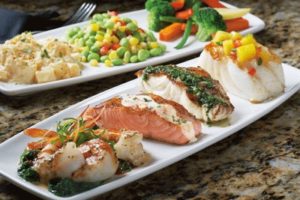
The diet defined for a person with intestinal malaise takes into account the effect of food on intestinal motility. Distinguish between foods that increase motor skills, decrease and indifferent. The first type includes dried fruits, fermented milk drinks, marinades, sour fruit varieties, etc. Representatives of the second type are strongly brewed tea, bird cherry, blueberries - food with a high tannin content, as well as viscous soups, jelly, hot and warm dishes. The third group contains steamed lean meats, boiled fish with a low fat content, and fresh cottage cheese that does not contain any flavorings.
Recommendations for diarrhea syndrome
Diarrhea is most often among the symptoms that appear that allow you to establish a bowel disease. An increase in the number of bowel movements, above two or three per day with a liquid and mushy stool consistency, is already considered diarrhea.
This symptom is found in a large number of diseases of the colon and small intestine. Intestinal infections, inflammation of the gastrointestinal tract - the course of development of these and many other diseases includes the manifestation of diarrhea. To soften and stop it, the diet contains the following steps:
- The direction of the diet to reduce intestinal motility.
- Reducing the content of irritating factors of a chemical and mechanical nature in the food taken.
- Refusal from products supporting fermentative-putrefactive tendencies.
- Refusal to eat foods high in essential oils, such as mushrooms, garlic and onions, radishes, radishes, turnips.
- Accepted food and drinks should be in the temperature range of 15-60C.
- Increasing the number of foods containing tannin in the diet.
- An increase in the amount of simple carbohydrates in the composition of the absorbed food.
Mitigation techniques
The therapeutic process in the case of diarrhea syndrome includes several stages. With severe profuse diarrhea with a clear manifestation of dyspepsia, the initial step will be the appointment of one or two fasting days. During this length, the patient receives from 1.5 to 2 liters of rosehip broth or tea, strongly brewed, with lemon and sugar.
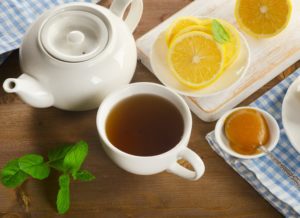
After that, the patient switches to a diet that provides the most chemically and mechanically sparing regimen. Due to the monotony and inferiority of such diets, they last from 2 to 5 days.
With the weakening of diarrhea, the patient switches to a physiologically complete menu. Restriction of chemical and mechanical irritants is becoming moderate, but foods that can increase fermentation are still prohibited. The duration of this stage can be from a month to several years, until the stool is completely normalized.
Then comes the remission phase, when the person switches to food intended for the intestines in the recovery stage. Here the regime is aimed at returning the functions of the digestive organs to a normal state.
The change in nutritional regimes takes place in a zigzag manner. With the observance of the previous diet, the patient tries a new one once or twice a week, and only with a positive perception does it become the main one. In the final stage of therapy, the patient can already eat like a practically healthy person, in compliance with reasonable rationality.
How to deal with constipation
The opposite of diarrhea is a symptom of constipation, when the colon becomes difficult to work with a decrease in the amount of stool below three per week. Acute constipation can delay bowel movements for up to several days. The origin of constipation is both organic and functional. If symptoms of constipation appear, then clinical testing to identify and treat the cause becomes necessary.

Therapy steps
Intestinal motor function can be normalized in several ways. The diet should be composed of foods that are high in fiber and promote motor skills. These are substances not digested by the small intestine, which are further processed in the large intestine.
The daily norm of ballast elements for healthy digestion is 25-35 grams. According to the recommendation of the world health organization, this norm is replenished by the absorption of fresh fruits and vegetables in the amount of 400 g per day.
A decrease in dietary fiber will increase your risk of developing a range of diseases, from diabetes to venous thrombosis. The inclusion of dry and fresh fruits, vegetables, and grains in the diet helps to raise the amount of fiber taken with food.
The concentration of dietary fiber in different foods can vary greatly. A number of products are rich in ballast substances, from bran or whole grain bread, and oatmeal to carrots, beets and algae.
A person experiencing constipation is treated with a motor-enhancing diet to stimulate emptying. For this, physical, mechanical and thermal stimuli are added to the diet. The most popular supplement is wheat bran. Before taking them, they are steamed with boiling water for 15 minutes, after which they fold back and become ready to be added to dishes.
When a patient has constipation, the bran increases the fecal mass due to the water content, accelerates the passage in the intestines, and increases the frequency of stool. But a long and excessive intake of dietary fiber reduces the absorption of vitamins, micro- and macroelements by one and a half to two percent. This should be borne in mind when drawing up a diet.
If the patient has flatulence or increased peristalsis, the initial stage of the diet should be with a low concentration of dietary fiber. Any product that increases gassing is excluded. To eliminate intestinal spasms, the patient is prescribed antispastic medicines. With the progress of dietary therapy, the fiber content of food increases. Products with organic acids, such as fresh kefir, koumiss, curdled milk, natural juices, etc., will also speed up emptying.
Constipation of a functional nature for its elimination requires the intake of sugary substances. The list of therapeutic products that can be prescribed include candy, honey, marshmallow, and jam.
Marinades and pickles encourage motor activity due to their high salt concentration. The daily norm of table salt is 12-15 grams. A similar effect of intestinal stimulation is found in coffee, cold dishes, and white wines.
In the absence of contraindications, a patient prone to constipation should absorb 1.5-2 liters of fluid per day. The syndrome of functional constipation, as a rule, is relieved by diet, without taking laxatives.
Excessive gassing
Excessive flatulence in the intestines can cause great suffering to the patient. Rumbling, transfusion, bloating may not always be accompanied by impaired emptying.
For pain in the intestines caused by flatulence, avoiding foods high in gas, such as soufflés, whipped cream, will help. It is helpful to reduce your intake of foods that support fermentation - fatty foods, legumes, cabbage, pasta, etc.
Indigestion
Symptoms associated with indigestion or dyspepsia vary according to the type of indigestion.
With fermentative dyspepsia, intestinal gas is released in excess. From rising gas pressure intestines hurts. This is due to an excess of easily digestible carbohydrates in the diet. They suppress the balance of the intestinal flora, creating a predominance of aerobic microorganisms.
Reducing the transit of intestinal contents will help reduce the amount of dietary fiber in food. Limit your intake of nuts, bran bread and whole grains, legumes, and other fiber-rich foods.
The daily protein intake should be increased to 120-130 grams by including boiled low-fat fish, protein omelet, porridge, oatmeal and buckwheat in the diet.
The putrefactive nature of indigestion, as opposed to fermentative, is caused by an excess of proteins. Accompanying signs: weakness, migraine, rectal pain.
The first days of diet therapy will be unloading. On the third, you can eat crackers, sweets - simple carbohydrates. The patient will eat rice porridge on milk diluted with water on the fifth day. The quota of protein products is deduced from the calculation of 30-50 grams of protein per day. Decreases daily fat intake - 25-30 grams. The consumption of carbohydrates is increased to 400-450 grams. Has been shown to increase the concentration of dietary fiber that food may contain. The diet includes vegetarian days.
In general, most of the causes of pain in the intestines can be eliminated by the correct diet, but the patient cannot draw a conclusion about this on his own. At the first sign of pain, a person should immediately see a doctor.