Stomach hurts at the top in the middle: what to do, reasons
Pain in the upper abdomen in the center is a general description of the state of the human body, but this does not mean that it is permissible to ignore it. The causes of pain are minor (constipation or upset), and there are more serious ones (gallstone disease, kidney disease). It is required to act immediately if a child has a stomach ache!
Content
- 1 The root causes of painful sensations
- 2 Diagnostics and treatment
- 3 What can be treated at home
- 4 Prophylaxis
The root causes of painful sensations
If the stomach hurts in the upper middle, the cause is seen as a significant expansion of the veins in the esophagus (especially common in people with chronic alcoholism). Such painful sensations are the result of gastric reflux with an ulcer of the esophagus.
The presence of painful spasms below the chest and in the center of the esophagus can occur due to:
- The muscles that capture the passage to the cardia - the stomach, relax abnormally, this happens when the nerves are damaged. This happens, for example, during surgery.
- Dry food abuse.
- Increased dryness of the mucous membrane in the esophagus or proliferation of fibrous structure with prolonged gastrointestinal reflux disease (when the movement of stomach acid back up into the esophagus), provoking hard food passage. This can cause, in rare exceptions, systematic sclerosis.
- Gastric hernia, affecting the esophageal opening in the diaphragm and thereby provoking an abnormally closed passage to the stomach. Signs of pathology are considered pains below the chest and in the larynx, which are given to the central or upper part of the stomach. The main symptom is the presence of an unpleasant acid taste in the mouth.
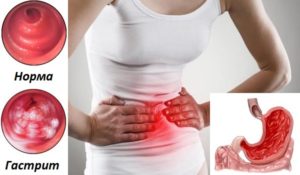
- Inflammation of the inner layer of the gastric mucosa is gastritis. Points are considered signs of gastritis - individually or collectively:
- Pain in the chest, center or upper abdomen, worse after eating.
- Dark stools.
- Nausea, sometimes followed by vomiting.
- Convulsions in the abdominal region, accompanied by undulating cramps under the stomach.
- Fast saturation.
- Heartburn (bakes in the larynx or chest).
- Temperature increase.
- Gastroparesis is a delayed process of emptying the stomach due to the fact that the muscles are unable to relax enough due to nerve damage. The reasons provoking the occurrence of gastroparesis: atherosclerosis, hormonal disruptions, psychological troubles, the formation of fibrous tissue on healed ulcers and after gastric surgery. Symptoms of this disease are a convulsive state after or during the intake of food, fast satiety, heartburn, bloating, strong belching.
- Ulcerative lesions of the stomach - open wounds inside the stomach. Characterized by aching baking pain after or in the process of eating food in the upper abdomen.
- Inflammatory processes of the small intestine (duodenal region) are characterized by dull pain, mainly at night and in between meals, pain is felt under the ribs and in the center abdominal cavity. With inflammation, it is possible to detect blood in the stool and darken it.
- Cancers provoke not only unpleasant pain in the center and upper abdomen, but also nausea, impaired appetite, excessive weight loss, and extremely dark stools.
- Pancreatitis The acute form of the disease is an inflammatory process in the pancreas due to gallstone disease or long-term alcoholism. Soreness is mainly felt on the left in the upper part and in the center of the abdomen, sometimes encircling (it hurts both in front and behind). Appetite worsens, nausea appears, white sparse stools and the patient dramatically loses weight.
- Injury that ruptures the abdominal muscle due to impact or exercise can cause severe abdominal pain. Sweat hematoma can build up in the muscles, causing a noticeable blue-tinged bulge that is soft to the touch.
- The small intestine, or rather, a small fragment of it, protrudes into the muscles of the abdominal cavity through the crevices. Symptoms are pain and a noticeable bulge that is soft to the touch.
- Fractures in the vertebrae, spinal arthritis, and other disorders in the lumbar spine or chest occur, causing pain in the middle of the abdomen and higher. Exacerbation of pain, as a rule, occurs when walking.
- Aneurysm (bulging of the walls of the aorta) and dissected layers inside the aorta are typical for people of predominantly elderly age, especially if atherosclerosis is present. The pain is dull, continuous, worse during and after eating.
- The onset of a heart attack also provokes pain in the upper or middle of the abdomen. High cholesterol levels and smoking are commonly known factors in the onset of a heart attack.
- If the pain is localized mainly to the right in the upper abdomen, it is most likely an inflamed appendicitis. May cause fever and nausea.
- Female causes of pain in the abdominal region are often possible miscarriage, rupture of a cyst in the ovary, ectopic development of the fetus. In this case, cutting sensations and pulling pain are characteristic.
- Completed course of antibiotic treatment.
- Heatstroke.

- Typhoid fever - acute intestinal infection. A distinctive feature is roseolous eruptions, accompanied by fever, general intoxication of the body, specific lesions of the lymphatic system in the small intestine.
- Myocardial infarction.
- Heart failure is a decompensated myocardial dysfunction. At first, this disease does not give itself out in any way, but then it manifests itself in shortness of breath, pain on the left in the upper abdomen, increased fatigue, and edema.
- Pneumonia is an inflammation of the lungs. Symptoms are similar to flu or cold, but are accompanied by acute chest pain, sometimes there is pain under the chest, radiating to the upper part stomach, cough with reddish or greenish thick phlegm, increased sweating, fever, rapid breathing and rapid heartbeat.
- Hepatic or renal colic. Characterized by sharp, severe pain (stronger than labor pains), which is often accompanied by hemorrhage.
- Herpes zoster or herpes zoster is a viral infection with characteristic rashes. Elderly people are most susceptible to infection, mainly in autumn or winter.
- Lead poisoning.
- Animal bites (snakes, insects).
- Cholecystitis.
- Hepatitis.
- Heart attack, rupture, or abscess of the spleen.

Diagnostics and treatment
Finding out the cause of pain begins with palpation of the abdomen in order to detect inflammation or edema. The procedure is done by lightly pressing on various parts of the abdomen. To obtain the full volume of information, it is required that the patient correctly describe the intensity and nature of the pain, its distribution within the abdominal region. After that, the attending physician prescribes the necessary additional examination. Moreover, a single procedure or a whole set of tests is permissible in order to exclude or confirm the presence of fractures, growths, edema or ruptures.
Examinations required for diagnosis:
- Ultrasound - diagnose a specific organ of the abdominal region.
- X-ray of the spine.
- Colonoscopy - the study is carried out in the inner part of the large intestine and in the intestine.
- Endoscopy - search for abnormal formations and tumors in specific areas of the stomach or esophagus.
- General analysis of blood, urine, feces for viruses, bacterial infections and parasites.
- Examination of the gastrointestinal tract using X-rays over the stomach for abnormalities such as ulcers, inflammation, neoplasms, etc.
- MRI.
What can be treated at home
In rare exceptions, if abdominal pain is moderate, immediate medical attention is not required. These are cases: constipation, irritable bowel, heartburn, menstrual pain in women. However, the pain should not be constant and sharp. It is worth noting - if the patient knows about his own chronic ailment, and the attending physician has already prescribed a certain treatment, the patient should not go to the hospital every time when a pain symptom appears, because he already knows what medicines to be treated. If the symptoms worsen or new ones appear, you should immediately seek help from specialists, because home conditions will not allow a number of additional examinations to be carried out.
If stomach troubles are insignificant, and the pain is dull and aching, it is allowed to use over-the-counter pain relievers.
Prophylaxis
Unfortunately, prevention cannot avoid all diseases in the abdominal area. But if you apply the advice given, it is quite realistic not to face many diseases:
- Drink enough water throughout the day, especially if you are dehydrated.
- Try to eat healthy foods that are high in fiber (this will help avoid constipation). Do not absorb food quickly, eat in small portions, but often. Do not overuse coffee and chocolate. If the attending physician has prescribed a specific diet, follow it.
- Do physical activity regularly with a feasible intensity.
- Avoid excessive alcohol consumption and smoking.
- Monitor body weight, blood sugar and cholesterol levels.