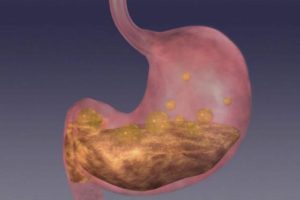
Stomach hurts after antibiotics: what to do, reasons
Taking antibiotics eliminates the most dangerous diseases, but the effect of drugs on the human body is not always exclusively positive. Side effects occur - patients have stomach ache after antibiotics, the natural microflora in the intestines is destroyed. An unpleasant condition can occur when taking pills, after injections. Is it dangerous? How to get rid of pain with simple, proven remedies? Patients often ask similar questions.
Content
- 1 Why does pain occur?
- 2 Minimizing risks
-
3 After the course of treatment
- 3.1 Nutrition and diet
- 4 Child pain
- 5 Localization of pain
- 6 Taking antibiotics is a smart approach
Why does pain occur?
Feeling that the stomach hurts after taking antibiotics, a person thinks about the reasons for what is happening. In addition to direct drug intolerance, sometimes there is a typical side effect that the treatment brought. The funds are absorbed in the stomach, spread with the bloodstream throughout the body, affecting the gastrointestinal tract. Any bacteria caught in the way of the antibiotic is destroyed, even a beneficial microorganism. The process of digestion occurs with the involvement of the necessary bacteria, taking the drug sometimes leads to their death. This will cause abdominal pain from antibiotics and typical symptoms:
- Bloating, increased gas formation.
- Diarrhea or constipation.
- Allergies, poor appetite.
The most difficult situation is when a long course of drug treatment is prescribed. The doctor must prescribe additional agents that protect the intestines and the bacteria contained in it. The death of microflora that occurs in a child is especially dangerous, it requires a visit to a doctor, high-quality treatment.
Minimizing risks
It is necessary to think about what to do to preserve the beneficial microflora before taking a course of antibiotics. The rules for the use of drugs that ensure maximum safety for the patient's body are described.
You cannot take medicines on an empty stomach - the stomach will not hurt if you eat 20 minutes before taking the medicine. The diet is formed from foods with enveloping qualities, liquid cereals and mashed soups are well suited. In order not to treat the gastrointestinal tract after using drugs, exclude alcohol, spicy foods, coffee and strong tea. They are the cause of the beginning irritation of the mucous membrane.
Injections are less harmful than pills. And tablets are supposed to be washed down with clean water in sufficient volume, excluding other drinks. It is advisable to combine the use of antibiotics with probiotics that support the intestinal microflora and provide recovery. What if the body reacts sharply to the chosen option? The agent is replaced with an analogue selected by a doctor.
After the course of treatment
Often, the rectum and the gastrointestinal tract as a whole give unpleasant symptoms after undergoing a course of antibiotic use. It is necessary to restore the body when using hepatoprotectors, probiotics, immunomodulators with the addition of vitamins to the diet.
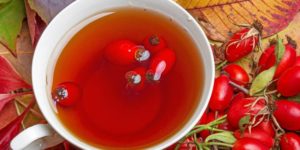
Probiotics are an important component of recovery, the funds reanimate the microflora. Medicines and foods containing lactobacilli are needed to relieve symptoms. Immunomodulators are needed to restore antibiotic-compromised immunity. The choice of funds is carried out by the doctor. Hepatoprotective agents protect the liver, which excretes drug degradation products. It is not only the intestines that suffer from drugs, the course loads the liver. With pains in the right hypochondrium, it is precisely stated about malfunctions in the organ. Rosehip tea, herbal preparations cleanse the liver. The doctor prescribes medications to protect and restore the organ.
Nutrition and diet
Correctly selected nutrition eliminates risks for the gastrointestinal tract at the time of drug therapy, minimizes complications in the future. The diet is required for at least three months. Exclude products that create fermentation - sugar, bread, cabbage. Sour milk is prescribed, kefir is recommended daily. Rice broth relieves diarrhea, pain and cramps; eliminates chamomile broth, chamomile or ginger tea. Herbal folk remedies are considered as part of the diet. It is not advisable to exclude medications prescribed by a doctor.
At the time of the passage of drug therapy and subsequently, for 3 or more months, spicy foods and alcohol are excluded. Everything that irritates the mucous membrane and creates risks for the gastrointestinal tract is excluded from the diet. Heavy food is excluded. Compliance with the diet ensures quick recovery of the body, elimination of unpleasant symptoms, return to the usual way of life and nutrition.
Child pain
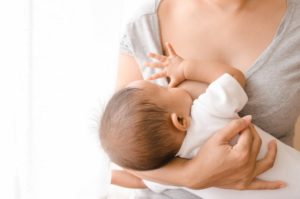
The risks associated with prescribing antibiotics are higher in children than in adults. This is taken into account when prescribing funds, dosages - children's drugs are selected that are suitable for age. Newborns, breastfed children cannot take most of the drugs prescribed to combat dysbiosis, which causes pain and unpleasant symptoms. Mom will be able to help the child - she is supposed to revise the diet by adding fermented milk drinks and products. The baby will receive what is needed to restore the digestive tract through breast milk.
A child who began to eat independently, or receiving complementary foods, needs the introduction of vegetable broths. Herbal decoctions are used to normalize the digestive tract. Mint, chamomile, and other herbs are fine. Special teas and medicines are sold; before use, you will need to consult a doctor.
In case of pain, suspicious symptoms during the course of antibiotic treatment, it is necessary to immediately inform the pediatrician of what is happening. It is also impossible to independently prescribe antibiotic treatment, especially to a child.
Localization of pain
An important point is the study of the localization of pain that develops when taking the drug. If discomfort occurs immediately after use or within an hour after a pill, localized in the upper abdomen, the snag is probably with the stomach. We are talking about irritation of the mucous membrane, which could be observed before taking the medicine, improper diet, the need to choose a sparing diet and follow the rules for receiving the drug - after eating. Serious symptoms - vomiting in addition to pain, belching, acute pain syndrome indicate the need to cancel the drug intake, replace it, switch to injections instead of pills. It is required to inform the doctor about the symptoms.
Pulling sensations in the right hypochondrium indicate liver disease. The organ could also be overloaded before taking the drug due to improper diet, unhealthy lifestyle, and previous illnesses. The remedies are effective, but the doctor must be informed that the liver is responding to the antibiotic. The choice of gentle means, additional protection measures is possible.
The middle, lower abdomen is associated with the intestines, pain, discomfort in this area, bloating and discomfort indicates damage to the mucous membrane or microflora disorders - when taking antibiotics, it is more likely second phenomenon. Many people complain about this side effect, it is common, and with the right approach to treatment, it is the least dangerous.
Supplements with lactobacilli, food products that restore microflora - all of this is aimed primarily at normalizing intestinal function. The restoration of microflora takes several weeks, it does not happen instantly, but when the biota is restored, the unpleasant phenomena disappear. Beneficial bacteria are able to recover on their own, but without additional help, the process takes much longer time, therefore, unpleasant symptoms will be noted for a long time, and therefore the body costs to help. Malaise, left to chance, with improper diet and unhealthy lifestyle, gives additional risks and forms serious disorders and diseases of the gastrointestinal tract.
Taking antibiotics is a smart approach
Taking medications that kill bacteria carries risks. Doctors strongly advise against self-medication and self-prescribing similar therapy! Destruction of beneficial microflora, increased load on the body, individual intolerance - these and other risks are provoked by taking any antibiotic drugs. But a number of diseases give no choice. A doctor should prescribe an antibiotic, because only a specialist can confidently navigate in diversity funds presented in pharmacies, will choose the appropriate drug, taking into account the personal characteristics of the body, minimizes risks. Drinking on the prescribed remedy is supposed to be a full course, accompanied by additional medications prescribed, not excluding supporting funds.
A completely healthy body can easily tolerate antibiotic treatment, however, past diseases, weakened mucous membranes, hidden health problems manifest themselves, causing adverse reactions to the reception medicines. Provide attention to the body at the time of taking medications in order to identify possible pathologies in time. Observing a diet, without violating the regimen of taking the drug, you will create conditions for recovery without risks to the body.