Intestines hurt during pregnancy: what to do in the early and late stages
Bowel pain during pregnancy - this symptom is familiar to many women. The cause of the problem is the hormonal imbalance in the body, the restructuring of the hormonal background - especially in the early stages. At the end of the second - third trimesters, the intestines hurt mainly due to the pressure exerted by the growing uterus. Symptoms require attention, the problem can be serious, and early misdiagnosis risks missing a dangerous change. It is important to understand where the sensation is localized, with which organ it is associated.
Content
- 1 Symptoms and problems
-
2 Causes of colic in pregnant women
- 2.1 Diarrhea and intestinal disorders
- 3 Diets to normalize the digestive tract
- 4 Constipation and risks
- 5 Risks of intestinal disorders at different stages of pregnancy
- 6 A healthy lifestyle is above all
Symptoms and problems
When the intestines or stomach hurts during pregnancy, a woman may think that there is a threat to the unborn child, and an abortion may occur. Strong cramping sensations, in which there is a release of blood, speak of the danger to the baby. What if a pregnant woman has these symptoms? An ambulance must be called immediately.
Ordinary intestinal discomfort is not particularly worth associating with high risks, the body goes through a restructuring, due to which the stomach can ache, and colic can be felt. When going to visit a doctor, it is necessary to say about the symptoms that are obstetric and non-obstetric in nature. Typical problems in pregnant women are:
- The lower abdomen hurts when intestinal spasms. Discomfort in the intestines is easily recognizable, has a long, growing, spasmodic character. We need a doctor to diagnose, treat - the reason lies in infections, dysbiosis.
- Bloating and flatulence indicate mucosal irritation. Complaining about a symptom that does not go away week after week suggests irritable bowel syndrome. There is a frequent desire to use the toilet, discomfort, a feeling of incomplete emptying of the intestines after going to the toilet.
- Spasms with nausea - gastritis or dysbiosis, colitis is possible.
- Pain and spasms localized in the anus, bleeding - hemorrhoids, polyps.
Causes of colic in pregnant women
The unborn child puts forward new requirements for the diet. Whims arise, food cravings change dramatically, which irritates the digestive tract. Not having time to separate the received food, sweet and salty, fruits and dairy, incompatible things, the body reacts with intestinal disorders.
Another risk factor is hormonal changes. Progesterone relaxes smooth muscles, slows down the digestive tract, causing congestion and pain. Factor number two is the growing uterus, squeezing the internal organs.
The main method of prevention, which allows avoiding gastrointestinal tract treatment, is adherence to the diet and regimen. It is necessary to eat regularly without overeating, in small portions, excluding things that irritate the intestines. Alcohol, coffee, spices are excluded, salty, sweet foods are taken during periods of normal tract functioning. In order not to become a victim of stagnation, it is necessary to maintain a positive mood, walk, and move in moderation.
Diarrhea and intestinal disorders
It should be understood that diarrhea and constipation are frequent companions of pregnancy, the obstetrician usually warns expectant mothers. Constipation occurs more often, diarrhea is less common and more dangerous. The very type of disorder signals a possible infection, poisoning. Pain on the left or right, accompanied by loose stools, signal a lack of enzymes, worms, problems with microflora, infections, and nervous disorders. A symptom that does not pass for two to three days is a reason to consult a doctor. Diarrhea accompanied by pain, fever, a sharp deterioration in well-being is a reason to call a specialist at home.
Short-term disorders, recurrent pain of low intensity, one-time bouts of diarrhea, nausea are a relatively normal phenomenon caused by temporary disruptions in the work of the body. It is pointless to worry about this.
Diets to normalize the digestive tract
Diet contributes to the normalization of the state of the intestines and stomach, digestion processes. By adhering to them, a woman minimizes the risks to health and well-being. We are not talking about rigid diets, it is necessary to adjust the diet in the minimum way.
By consuming fiber-rich foods, it is possible to eliminate intestinal stagnation, ensuring its complete cleansing. Fruits and vegetables, nuts are an obligatory part of the diet for a pregnant woman. Bran, baked potatoes help to soften the walls of the intestines and increase permeability. Dietary supplements should be taken with caution or excluded for the entire period of pregnancy.
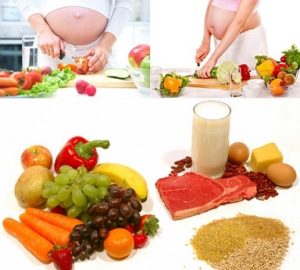
Pectin soothes abdominal pain, relieves nausea. It is found in currants, rose hips, papaya, citrus fruits. It is impossible to take viburnum, the risk of miscarriage increases. In the early stages, milk is used with caution, choosing fermented milk products - excluding the occurrence of pain. It is necessary to drink a lot of water, up to 8 glasses a day - with its abundance, the intestines work more actively, quickly cleansing themselves. It is wise to exclude caffeine.
Constipation and risks
Some women ignore constipation without pain. This phenomenon is often for pregnant women - progesterone slows down the intestines, the uterus compresses the organ. Constipation leads to clogging of the body with toxic substances, which is harmful for mom and baby. Also, this symptom leads to cracks, hemorrhoids, tumors. For problems with stool, measures must be taken. If the stool is bloody, it is worth making a visit to the gynecologist.
Do not use drugs that relax the intestines and stimulate its emptying. They also stimulate the uterus, causing it to contract, which is fraught with miscarriage.
Risks of intestinal disorders at different stages of pregnancy
The periods of pregnancy, changing, make changes in the body associated with the growth of the fetus, hormonal background, and other points. The uterus, the rate of its increase, size, position, has a great influence on the intestines and the work of the organ. Even with a healthy digestive system, its growth affects digestion and bowel movements. Abrupt growth, weight gain of the fetus affects the well-being of a woman, causing pain, spasms, discomfort, and digestive problems of a different nature.
In the first two months, the uterus is small, without going beyond the pelvis. It does not interfere with the digestive tract, hormones and food preferences have an effect on its work.
By 9-10 weeks, its size increases. The uterus does not interfere with the natural work of the body, however, the needs become increased, the gastrointestinal tract must satisfy them. By 13 weeks, the uterus softens, takes a spherical shape, and the intestinal muscles relax. Gas formation occurs, constant urge to empty. Bowel pain usually appears at 15-16 weeks. The problems are growing at 17-18, the pressure on the internal organs is noticeable, heartburn is tormenting. There is a feeling of incompleteness of defecation, the reason is pressure on the large intestine.
For longer periods, they complain of stagnation caused by the size and pressure of the uterus, other problems are rare. Women who do not overeat, maintain moderate activity during the period of bearing a child, and follow a diet rarely complain of problems in the late stages. Heartburn in the first - second trimester haunts many, regardless of lifestyle. The stomach also experiences pressure from the uterus, and whims in terms of nutrition affect it in the first place.
A healthy lifestyle is above all
Wanting to eliminate pain and gastrointestinal problems, a woman should be attentive to her diet throughout her pregnancy. Whims are normal, but there is whatever you want and at the same time - not the best idea. It is reasonable to split meals, wait out certain periods, going to eat an incompatible food. Moderate activity is useful throughout the entire period of bearing a child, in the early and late stages - this is prevention stagnation, ensuring good blood supply to the pelvic organs, supply of blood and nutrients to the embryo. Overloading must be eliminated, and walking must be done daily. A sedentary lifestyle is harmful to the baby and mother.
Nutritional supplements, traditional medicine are great for minor disorders, but during pregnancy it is necessary to pay attention to their choice, excluding potentially dangerous ones. A number of herbs stimulate both peristalsis and uterine contractions, which is dangerous with the risk of termination of pregnancy, in serious doses for pregnant women in principle. A doctor's consultation is required.
Medicines that help restore digestion are prescribed by an obstetrician-gynecologist or another doctor to whom the patient is referred. Self-selection of funds is unacceptable.
By rationalizing your diet, regimen and lifestyle, you will ensure the prevention of problematic disorders. Attention to the state of health will allow timely notice of dangerous symptoms and exclude risks for the mother and child.