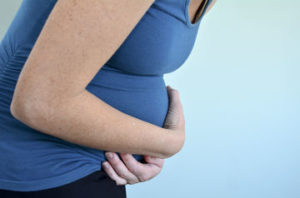
But shpa with appendicitis
Acute appendicitis can disturb anyone, regardless of age or gender.
The disease is dangerous in its consequences, and sometimes poses a serious threat to life.
The exact causes of the onset of the pathological process are not fully understood, but there are a number of prerequisites leading to inflammation of the appendix.
The disease is often confused with other abdominal pathologies due to similar symptoms. The main symptom is acute abdominal pain.
Is it possible to drink noshpa with appendicitis for the purpose of anesthesia and how this drug affects the dynamic picture of the disease, more on this.

Content:
- 1 Appendicitis
- 2 Causes
- 3 Treatment
- 4 Reception of no shpa with appendicitis
- 5 Symptoms
- 6 Useful video
Appendicitis
This pathology of the digestive system is the most common among surgical and one of the most dangerous.
The threat is transience and serious complications. The likelihood of appendicitis throughout life is quite high. The disease affects 5-10% of the total population.
The disease is represented by inflammation of the appendix, located in the lower region of the intestine. The functional component of this organ plays an important role in the immune and endocrine processes, restoration of intestinal microflora.
Inflammation of the appendix is acute, in which pus accumulates in the cavity of the appendix.
The lumen of the appendix is blocked by a foreign body or fecal stones, which does not allow the contents to escape into the rectum.
As a result, the affected organ becomes inflamed, increases in size, the patient feels a painful effect of a different nature.
In case of untimely access to a doctor and no medical care provided, the walls of the appendix may rupture and the spread of pus through the abdominal cavity.
This process leads to peritonitis, sepsis or abscess in the peritoneal cavity, leading to death.
Causes
The reasons for the appearance of the pathological process have not been precisely established. Doctors note that in each patient, inflammation of the appendix occurs due to blockage of the lumen of the appendix with fecal stones, a foreign body.
Compression of the upper part of the process is possible due to adhesions that form after cholecystitis, enteritis.
Among all the factors affecting the inflammation of appendicitis, doctors note the following:
- Penetration of infection;
- Incorrect release of feces or the formation of toxins in the lumen of the appendix;
- Improper diet when the patient eats too much meat;
- Heredity, genetic predisposition, features of the anatomical structure;
- The formation of a blood clot in the artery, blocking the access of food, disrupting the blood flow in the appendix. The risk zone includes patients suffering from atherosclerosis, heart disease;
- Weakened immunity;
- In women, the inflammatory process can be triggered by the uterine appendages.
Additional factors leading to the disease are constipation, poor intestinal motility, overeating, lack of plant fiber in the food consumed, infections in the digestive system, parasites.
This also includes stress, unstable psycho-emotional state, bad habits, lack of vitamins.
Often, appendicitis is diagnosed during pregnancy. Due to the increase in the uterus, the appendix is displaced and further inflamed.
In some pathological processes of the uterus, inflammation may spread to the appendix.
Treatment
Acute appendicitis is only subject to surgical treatment. When the first signs of the disease appear, immediate hospitalization is required.
Additionally, drug therapy is used. Upon entering the hospital, the patient is examined in the emergency room.
The surgeon examines the patient with acute abdominal pain. When in doubt about appendicitis, differential diagnosis is made with other diseases.
For these purposes, no shpa is prescribed for abdominal pain, after which premedication is carried out. After taking the drug, doctors closely monitor the patient's condition.
With an increase in symptoms, surgical intervention is necessary.
The therapy is based on surgical intervention. The surgeon performs an appendectomy operation, which involves removing the appendix.
Antibiotic therapy is sometimes used. In some cases, a conservative method of treatment is used without surgery.
With this therapy, the doctor prescribes antibacterial drugs. This method of treatment is used for serious contraindications to surgery.
Surgical intervention is carried out in two ways:
- Through an open incision;
- Using the laparoscopic method.
After the operation, bed rest is prescribed, meals are avoided (the first 12 hours). To avoid postoperative consequences or complications, a course of antibiotics is prescribed.
The recovery period depends on the severity of the disease and the method of the operation. With laparoscopy, the patient's recovery time is significantly reduced in comparison with the classical method.
Reception of no shpa with appendicitis
If you suspect appendicitis, you should immediately consult a doctor. Any persistent abdominal pain that persists for 6 hours should be a cause for concern.
Taking any medications, including laxatives, antibacterials, antispasmodics and analgesics, is prohibited.
This number includes gastrointestinal medicinal products. All of these drugs are able to blur the clinical picture when an accurate diagnosis is made by a doctor.
The patient can accept the burden. If the pain syndrome has not passed or has worsened, they immediately call an ambulance.
The heating pad should not be placed on the right side of the abdominal cavity, as heat accelerates the development of the inflammatory process.
You can not eat, bed rest is required. The doctor will carefully examine the patient, who will be sure to tell about his symptoms in detail.
Symptoms
In order to recognize the disease and seek the help of specialists in a timely manner, there are certain signs and symptoms:
- Acute appendicitis often occurs at night or in the morning;
- The most important symptom of the disease is acute pain. Her attacks are pronounced, intensified and spread to the entire abdominal cavity. The pain is especially pronounced when walking, lying on the left side.
- The place of localization of pain syndrome can be under the ribs, in the umbilical region, in the lumbar region;
- In pregnant women, as the fetus grows, pain associated with appendicitis may occur due to a change in the location of internal organs in the abdominal region.
- Pain syndrome can change the severity and intensity.
- When the pain syndrome disappears during an attack of appendicitis, one should be wary, since this is a clear sign of the development of peritonitis. With this diagnosis, necrosis of the nerve endings occurs.
- On palpation, press on the affected area, then abruptly release. With appendicitis, the pain increases.
- The patient feels nausea, vomiting may open, stool disorder (constipation or diarrhea) occurs;
- Fever is possible.
If you experience intense pain in the abdominal area that does not go away after taking but shpa, you should urgently call a doctor.
The severity of the disease should not be underestimated. If medical care is not provided in a timely manner, dangerous consequences are possible leading to peritonitis, abscess, and death.
The only preventive way against complications is a timely visit to a doctor.