Prevention of appendicitis: how to avoid adults and children, a memo
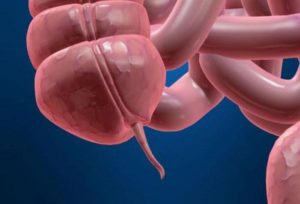
Appendicitis is the most common abdominal disease that affects all age groups. The reason is the inflammation in the appendix. To get rid of the inflamed appendix, it is necessary to perform a surgical operation. Prevention will help prevent the development of acute appendicitis.
The main causes of the disease:
- Blockage of the passage of the appendicular process.
- Constipation (chronic).
- Inflammation of the blood vessels of the appendicular process.
- Infectious diseases of the gastrointestinal tract.
The most common reason the appendix becomes inflamed is obstruction of the appendix. It occurs due to the accumulation of fecal solid masses, the ingress of objects of foreign origin, proliferation of lymph nodes, tumors, sometimes due to parasites in the gastrointestinal tract (roundworm).
The first symptoms of appendicitis are manifested by painful sensations in the center of the peritoneum, which are further localized in the lower right abdomen. Depending on the location of the appendix, the pain can spread to the umbilical part, upper abdomen, kidneys, lower back. The disease does not respond to treatment and requires surgery to remove the inflamed appendix (appendectomy). Prevention of appendicitis will help to avoid the development of the disease.
Content
- 1 Prophylaxis Memo for Adults
- 2 Prevention for children
- 3 Memo for pregnant women
- 4 Preventive nutrition
-
5 Folk recipes for prevention
- 5.1 Infusion of tarragon (tarragon)
- 5.2 Clefthoof infusion
- 5.3 Infusion of the cuff
- 5.4 Milk with caraway seeds
- 5.5 Infusion of white clover
- 5.6 Vegetable juice
Prophylaxis Memo for Adults
- A balanced diet, eating a large amount of fiber (cabbage, legumes, carrots, cucumbers).
- Refusal of unhealthy fatty and fried foods, fast food.
- Do not swallow parts of food that lead to difficulty in digestion (husk from seeds, fruit and berry seeds, thick tough peel of vegetables and fruits).
- Consult a gastroenterologist annually (the doctor will be able to determine in time an increase in the appendix in adults and children).
- Observe personal hygiene standards (wash hands before eating, after using the toilet, avoiding suspicious-looking eateries).

- After antibiotic treatment, it is necessary to carry out a course of preparations containing live lacto- and bifidobacteria, to cleanse the digestive system of aggressive components (in the pharmacy chain there is a large enough range).
- Do not consume alcoholic products (aggressive components irritate the mucous membrane of the gastrointestinal tract, which contributes to the penetration of harmful bacteria).
- Strengthen and maintain immunity (inflammation of the appendix occurs against the background of intestinal infections).
- Massage the abdominal cavity in a specialized institution or independently (stimulates blood circulation and the digestive process).
The memo is relevant for use not only in adults, but also in children. Compliance with basic rules will help prevent the development of inflammatory processes in the body.
Prevention for children
In children under the age of two, acute appendicitis syndrome is extremely rare (up to 5%). This trend develops due to special nutrition (food is chopped, extremely balanced) and the best the work of the digestive system (defecation is complete, nothing clogs the lumen of the appendicular process).
So that the baby does not have inflammation of the appendix, you should:
- Take preventive measures to strengthen the immune system. In childhood, infections and inflammations are more difficult to carry. It is impossible to diagnose many diseases in the early stages, complications may begin, which will lead to the development of acute appendicitis.
- Make sure that children do not swallow hard-to-digest parts of food (bones, seeds, peels, husks).

- Forbid babies to eat a lot of sweets and overeat (problems with bowel movements, dysbiosis, worms may develop).
In case of complaints of abdominal pain, it is imperative to visit a pediatrician and a gastroenterologist (sometimes a surgeon's examination is required).
Memo for pregnant women
It is extremely difficult for pregnant women to understand on their own that abdominal discomfort may be related to symptoms of acute appendicitis. During gestation, the peritoneum stretches, microcracks appear, which leads to pain. In its advanced form, the disease flows into peritonitis, which is dangerous for both the mother and the baby.
During pregnancy, the appendix can become inflamed due to:
- Problems with bowel movements. The developing fetus presses on the intestines, the hormones produced slow down the digestive processes, which leads to the accumulation of a large amount of feces.
- Decreased immunity. The woman's body shares immunity with the child, the work of the lymph system decreases.
- Changes in the position of internal organs. The enlarged uterus displaces other abdominal organs, the appendicular process bends, which leads to a blockage of the passage.
For prevention, it is recommended that pregnant women eat more often, in small portions, consume more products with a laxative effect, and purify. You can cleanse the intestines with enemas or by eating plums, beets, and prunes. It is important to drink kefir at night - it will relieve heartburn and relax the intestinal walls.

Preventive measures are strictly required. The consequences of appendicitis are extremely dangerous, peritonitis may develop, premature birth, etc.
Preventive nutrition
Simple habits can help reduce the likelihood of developing appendicitis:
- Chewing food thoroughly.
- You should take your food slowly.
- Divide food into 4-5 small portions per day.
- Set a time range for eating.
- In the evening, eat no later than 2-3 hours before bedtime (at night, intestinal peristalsis slows down).
- Snacks should include fiber-rich fruits and vegetables.
Memo of products for a daily diet:
- Apples, pears (pears should be eaten in small quantities, as they "strengthen");
- Cabbage, cucumbers;
- Tomatoes, carrots;
- Legumes;
- Fresh berries and dried fruits;
- Buckwheat, oatmeal.
It is also useful to use flaxseed oil in order to prevent constipation, to cleanse the intestines in adults and children from 3 years old.
Folk recipes for prevention
Folk remedies consisting of herbs have proven themselves on the positive side. Some gastroenterologists and therapists advise them for prevention.
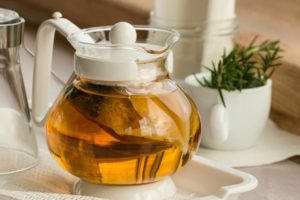
Infusion of tarragon (tarragon)
A tablespoon of dry tarragon (or 2 tbsp. l. fresh) pour a glass of boiling water, leave for 10-15 minutes, drain. Drink within 3 days before meals. Pregnant women and children are contraindicated.
Clefthoof infusion
1 tbsp. l. Pour 250 ml of boiling water over dry clefthoof leaves, leave for an hour, drain. Take a quarter glass 3 times daily before meals.
Infusion of the cuff
25 g of cuff, 15 g of dry strawberry leaves pour 300 ml of boiling water. Insist for 30-40 minutes, drain. Consume 2-3 times a day.
Milk with caraway seeds
Add a pinch of caraway seeds to a glass of milk, boil for 1-2 minutes. Drink warm, for 2-3 days in the evening, a glass before meals.
Infusion of white clover
10 g of dried white clover pour 50 ml of boiling water. Insist 20 minutes. Take 3 times a day. The course is not more than 4 days. Forbidden for pregnant women and children.
Vegetable juice
100 g carrots, 50 g cucumber, 50 g beets. Take within 10 days on an empty stomach. Perfectly cleanses the intestines. For children from 6 to 14 years old, reduce the portion by 2-3 times.
It should be remembered that folk remedies are aimed exclusively at prevention! It is strictly forbidden to treat appendicitis at home using these recipes. At the first symptoms of inflammation of the appendix, urgent surgical intervention is required. The earlier the operation is performed, the fewer complications for the body.