Can appendicitis be cured without surgery?
The appendix is a vermiform appendix involved in the immune defense of the digestive system. When the body is attacked by pathogenic bacteria, the organ is the first to take the hit. This means that there is always a high risk of inflammatory processes in the appendix. But when people are faced with abdominal pain (the first symptom of an illness), many choose to be patient or find alternative treatments other than surgery. Here the question arises, is it possible to relieve inflammation and treat appendicitis without surgery?
Any acute, stabbing or other pain that occurs should be examined by a physician to rule out complex diseases and complications.
Today, the objective reasons for the appearance of inflammatory processes in the appendix of the cecum have not yet been fully established.
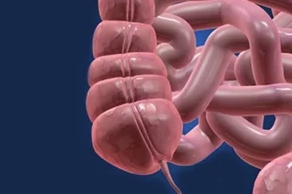
Therefore, it is impossible to prevent the disease in advance. But two conditions were identified under which the diagnosis of appendicitis is made:
- Blockage of the lumen of the appendix due to the ingress of feces.
- The presence of pathogenic bacteria that contribute to inflammation and suppuration inside the process.
There are many reasons for the appearance of appendicitis in a patient, as well as symptoms. The main sign that the patient has a pathology is pain in the abdomen with a gradual displacement towards the location of the appendix, to the right. Often the process is accompanied by:
- Nausea and vomiting
- The urine becomes dark;
- Body temperature rises and can reach 40 on the thermometer;
- Dry mouth.
There is such a type of appendicitis in the medical dictionary as chronic.
Its appearance is preceded by an acute inflammatory process, but not reaching the operating table. At the same time, the symptoms gradually disappeared. An ailment of the chronic type tends to periodically inflame and remind of itself with constant pain in the abdomen. If the condition worsens, then a doctor and a surgical method to remove the appendix are needed.
Content
-
1 Treatment
- 1.1 Medication
- 1.2 Folk remedies
Treatment
The disease proceeds individually. Determining the necessary therapy, the doctor relies on the data of a particular patient. An important role is played by the form of the disease. Doctors are more likely to be inclined towards a cardinal solution to the issue of appendicitis. Recent studies and treatment of the disease have proven that antibiotic therapy is effective and helps to reduce inflammation, as well as leave the abdominal area intact.

It is worth considering that not all forms of the disease are suitable for drug treatment. Such types of appendicitis as gangrenous and phlegmonous, when purulent processes occur in the organ, imply surgical intervention that saves the health and even the life of the patient. The infection causes the walls of the appendix to become thinner. In the absence of help, rupture and the development of peritonitis are inevitable.
Medication
An appendectomy (removal of the appendix with surgery) is a risky undertaking. Complications that arise after relate to the appearance of adhesions, poor bowel function, etc. The surgeon cannot vouch for the success of the operation.
An experiment was conducted to find out the effectiveness of drugs. For the first two days, patients with a diagnosis of appendicitis were injected intravenously with cefotaxime and tinidazole. Then antibiotics entered the body in tablets for a week. The study involved 7 people and three of them went home, the operation was not performed. But, unfortunately, in the future, these people were not tracked, there is no reliable data about the relapse of the disease.
Conservative treatment for appendicitis is possible only as directed by a doctor and under his supervision! The action of any antibiotic is aimed at the defeat of pathogenic bacteria that provoke inflammatory processes inside the appendix.
What medications can a doctor prescribe to cure an ailment:
- Cefuroxime. Antibiotic with anti-inflammatory effect. It is a second generation drug. Having a wide spectrum of action, it helps to get rid of different types of pathogenic microorganisms. Its use is possible in droppers, with the introduction of intramuscular, intravenous manipulations. Does not affect the general condition of the body. It is excreted after a day, in an unchanged chemical composition. Its use is not limited, it is suitable for any age.
- Metronidazole. A drug with antimicrobial action aimed at destroying unicellular parasites. It is used to fight abdominal infections and has a wide range of effects. Also used to prevent inflammation. Pharmacological release form: tablets and injection solution. Cannot be used on children under 3 years of age.

- Clindamycin. The medicine has a negative effect on pathogenic microorganisms, inhibiting their development. As a result, the reproduction of bacteria stops, the size of their colony decreases and leads to a gradual decrease in inflammation. Available in the form of tablets and injection solutions. The medication is not prescribed for patients under eight years of age. It does not spread throughout the body, complete decay occurs in the liver. It is excreted with the help of urine.
- Along with antibiotics, drugs are taken to restore and maintain a balance between pathogenic and beneficial bacteria in the intestinal tract. Potent antimicrobial drugs kill all types of microorganisms. As a result, a disturbed microflora and a deterioration in the patient's condition. With the restored microflora, the healing of sutures is faster and less painful.
- Medicines containing the necessary enzyme compounds for better digestion of food.
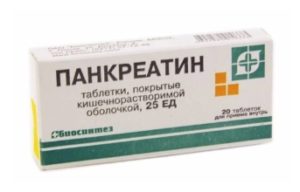
Cases when the drug therapy for appendicitis is limited and is allowed under certain conditions:
- The disease is in its early stages.
- The disease is mild.
- Diagnosis of the disease is difficult.
- After appendectomy. Antibiotics are prescribed to prevent secondary infection of the internal organs in the peritoneum.
Folk remedies
In the treatment of appendicitis, the use of folk remedies at home should not become the predominant therapy. Consultation with a doctor is required.
The appendix fully reflects the state of the intestine. If inflammation occurs in the large intestine, this process also spreads to the appendix. An infection in the intestine can provoke discomfort, which forms chronic dysbiosis.
What folk remedies support the body, how is the ailment treated:
- Restoration and assistance in the functioning of the immune system. The root of the white cross is cut and infused with vodka for 5-8 days. When the first symptoms appear, take a maximum of three drops at intervals of 1.5 to 2 hours. It is impossible to dilute. Then increase the dose to 6 drops. Can be diluted in liquid.
- We need a European clefthoof. Its leaves are crushed and filled with boiling water. The mixture is infused from an hour to an hour and a half, then filtered. It is taken every day three times - 60-70 milliliters. You should carefully monitor your health, if after 3 days the condition has not improved, you need to go to the hospital.
- You will need an ordinary cuff, blackberries, strawberries. Plant leaves are used. The mixture is poured with boiling water, cooked over low heat for 3 to 5 minutes. Then let it brew for 12 minutes. Drink in small sips throughout the day, 1-2 tsp.
- The infusion is made from bitter wormwood and mistletoe leaves. Everything is crushed and filled with hot water. Insist 2-2.5 hours. Take at intervals of 2 hours, half a glass.
- A decoction made from yarrow is taken as an anesthetic. It helps relieve pain during exacerbation of the chronic form of the disease. Additionally, raspberries and strawberries (plant leaves) are taken. The mixture is poured with boiling water and over high heat, it costs up to 20 minutes. Drink throughout the day.