Signs of appendicitis in a teenager: symptoms, how a parent can react in time
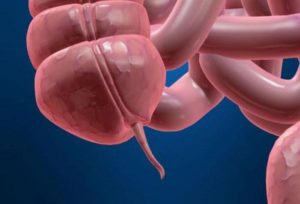
Appendicitis is an inflammatory disease of the appendix of the large intestine, accompanied by pain, characteristic symptoms, and a rapidly deteriorating patient's condition. Inflamed appendix is a serious risk factor for adults and children, a dangerous disease that requires immediate medical attention in any course. Finding the first signs of appendicitis, it is supposed to immediately call an ambulance. Symptoms when appendicitis in children, any responsible parent should know.
Content
- 1 Specificity, reasons
-
2 Symptoms
- 2.1 In adolescent girls
- 2.2 In adolescents
- 3 Course of the disease
- 4 Treatment of appendicitis
Specificity, reasons
The specificity of the course of the disease in children lies in the blurring of symptoms, this is a serious danger, because help must be provided as quickly as possible. The prerequisites, causes of the onset of the disease in a child, in a teenager 15-16 years old, are usually hidden in the following factors:
- Microflora problems;
- The appearance and accumulation of pathogens;
- Stool stagnation.
Also, inflammation is a consequence of a decrease in immunity, increased stress and inflammation in this area, stress - these factors increase the risk of the disease.

Often appendicitis manifests itself in adolescents, the age of 15-16 is the most critical. Among the physiological features of the cecum during this period is excessive length, which leads to the risk of entanglement and prolapse.
Symptoms
Sometimes the only symptom a child talks about is pain. The stomach hurts, the lower part, the pain is dull, it does not necessarily appear at the location of the appendix. This is a serious complaint that is important to address in a timely manner. There may be no other symptoms if the inflammation is acute.
If there is severe pain in the area of the intestine or in the umbilical region, an ambulance should be called. In addition to pain, vomiting is observed, an increase in temperature is not always. To make an accurate diagnosis, it is shown to call a doctor who will take the patient by ambulance to the hospital, where an ultrasound of the abdominal cavity will be performed, and an X-ray will be taken. Diagnostic methods will clarify the specifics of the disease, make a diagnosis in order to take immediate measures for treatment.
In adolescent girls
The manifestations of appendicitis in girls approaching puberty, who have already reached this stage of maturation, are blurred and reminiscent of an inflammatory disease of the genitals.

The pain radiates to the lower back, during the transition to the purulent stage, it is felt in the pubic region, perineum, resembling gynecological manifestations. Mixed symptoms require examination for appendicitis, including a gynecological examination, which excludes the likelihood of developing female diseases due to hypothermia and for other reasons.
In adolescents
Symptoms in boys, most girls in adolescence begin with a throbbing dull pain in the hypochondrium on the right side. In boys, palpation of the abdomen pulls the right testicle up. This is the beginning of a purulent period, which lasts up to 12 hours. The pain radiates to different parts of the body up to the forearm, which makes it difficult to diagnose the disease. Pain syndrome is accompanied by dry mouth, thirst, fever and excitability, increased heart rate. Single vomiting occurs. Similar symptoms are typical for exacerbation of gastritis, pancreatitis, cholecystitis, and if such situations have happened in the past, an urgent need to consult a doctor.

Course of the disease
After the first 12 hours without assistance, the phlegmonous stage occurs, characterized by the production of pus. The pain is not wandering, the focus is in the lower abdomen, the abdomen is soft. The patient seeks to lie on the right side, does not lie on the left, is in the fetal position, pulling the knees to the stomach. The temperature rises to 38 degrees, stool disorder occurs.
After a day, the symptoms decrease, but the danger increases - there is a risk of rupture of the appendix. When ruptured, purulent contents enter the abdominal cavity, creating a risk of peritonitis, sepsis, and death. A decrease in clinical manifestations can be written off by parents to improve the condition of the child, appendicitis is mistaken for an eating disorder, this creates a danger.
When the appendix fills with pus, the pain gradually decreases, but a strong white coating appears on the tongue, the abdomen swells, and there is no peristalsis. Risks increase, urgent hospitalization is required, with a ruptured appendix, which risks occur at any time, the contents are poured onto the serous membrane of the abdominal cavity, which inflamed. Only the quick help of doctors, antibiotics, can save lives. Uncomplicated appendicitis is far less risky than neglected appendicitis.
When the appendix ruptures, the child complains of girdle pain in the abdomen, vomiting begins, which does not stop and intensifies with the spread of pus through the cavity. Localization of pain is not detected, the abdomen is swollen.
Peritonitis also has stages, including a period of apparent well-being with the disappearance of pain due to the failure of nerve endings. The pains pass, there are almost no complaints, but the pulse remains rapid, tachycardia is present, and sticky sweat appears. Without emergency care, after a few hours, deterioration occurs due to severe intoxication, intestinal obstruction, and the risk of death increases.
Treatment of appendicitis
It will be possible to provide assistance to the child only by contacting a doctor, at the initial stages the prognosis is the most successful, the restoration of the body takes a minimum of time. The operation to remove the appendix is easy, either by laparoscopy or by creating a surgical incision for manipulation - the doctor will select the technique based on the patient's condition. Discharge takes place after one to two weeks, depending on the patient's condition, the stitches are removed after 10 days, this is a painless process.
Inflammation of the appendix occurs rapidly in children, it is problematic to diagnose, however only emergency assistance in the next few hours after the onset of the problem can save lives and health.

An acute inflammatory process can begin for no apparent reason, spontaneously, therefore, due attention should be paid to the child's health and well-being. In case of pain in the abdomen, pay attention, the situation is not always exhausted by an intestinal infection. Appendicitis is insidious in its clinical manifestations in children.
After the operation, a diet is prescribed, which is necessary for careful observance in the name of the earliest possible restoration of the digestive system. The disease and the operation cause some damage, recovery takes time within one and a half to two months, after which the child returns to his usual way of life and nutrition.
Initially, the diet contains easily digestible nutritious foods that contribute to the saturation of the body with useful substances with a minimum load on the gastrointestinal tract. Then the diet expands, the diet ceases to be strict, the patient goes to recovery.