No-shpa for appendicitis: is it safe to drink, will it help relieve pain
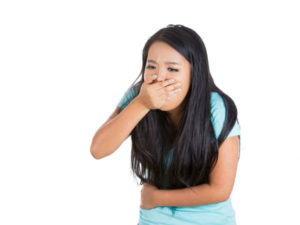
The most common surgical intervention inside the abdominal cavity occurs due to inflammation of the appendix - a small appendix located at the beginning cecum. The first and main symptom of the disease is pain. Sharp, sharp, spasmodic, it appears in the umbilical region and gradually passes into the right iliac fossa, where it remains. Sometimes the pain syndrome is so severe that it is impossible to tolerate. Doctors do not recommend for suspected appendicitis take anesthetic medication, as this can blur the overall symptomatic picture. But there is a drug that is not on the ban list that you can drink.
It is characterized by an antispasmodic effect and is allowed to relieve symptoms - this is no-shpa for appendicitis. Reduces the tone of muscle tissue, allowing you to slightly increase the lumen of blood vessels, thereby improving the supply of internal organs, constrained by spasm.
Content
- 1 Release form and composition
- 2 Suspected appendicitis
- 3 To drink or not to drink no-shpu
Release form and composition
It is produced in the form of tablets and in the form of an injection solution. The active ingredient is drotaverine.
Papaverine has a similar effect to No-shpu. But the specified drug is less active, the antispasmodic effect is not so pronounced, the duration of exposure is short.
Drotaverine is effective for both muscle and neurogenic spasmodic events. It should be noted that the drug has no effect on the central nervous system. It is also absolutely safe to use it during pregnancy. Due to the rapid absorption of the drug into the bloodstream, it is evenly distributed over all tissues of the internal organs.
Suspected appendicitis
The appearance of appendicitis is triggered by several factors:
- The presence in the body of pathological microorganisms that can cause an inflammatory process.
- Frequent constipation - as a result, fecal stones are formed that can travel throughout the intestinal tract. As a result, a small stone can block the passage of the appendix and cause internal inflammation;
- Violation of the diet. In the patient's diet, the amount of meat products significantly exceeds the norm.

- Anatomical structure of the appendix. Each patient has an individual location for the appendix. The cecum can obstruct the organ, then diagnosis and treatment is difficult.
- Disease of the cardiovascular system. Blockage of the blood vessel supplying blood to the tissues of the organ leads to oxygen starvation of cells and their gradual death. Decay products are carried throughout the body and poison it.
- Heredity.
- The body's immune defenses are very weak. A person cannot effectively resist attacking microbes and viruses.
- Women often have pathologies of the uterine appendages.
The appearance of pain syndrome, especially in children, leads to the need for first aid at home: take an antispasmodic.
At the same time, taking pain relievers is strictly prohibited. The appearance in the body of such compounds leads to the impossibility of making a correct diagnosis, since the clinical picture is blurred and reliable diagnosis is impossible.
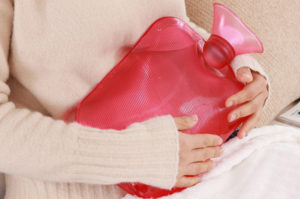
Also, there should be no compresses on the stomach, especially hot ones. This leads to the growth of the inflammatory process and, possibly, to the development of peritonitis. Traditional medicine is banned for suspected appendicitis. Antibiotics and stomach remedies are strictly prohibited when the first symptoms of the inflammatory process appear.
As a treatment for an ailment in an acute form, only surgical intervention is used.
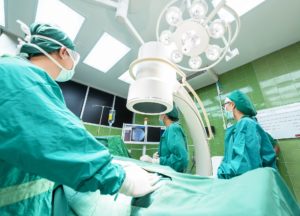
Any delay can cost the patient health and life. Therefore, at the first signs of appendicitis, an ambulance is called and hospitalization occurs on the territory of a medical institution.
Hospital, emergency room - there the patient is examined by a surgeon. If the doctor has doubts, then doctors use the method of premedication. It is part of the differential diagnosis to exclude other diseases that have a similar symptom. For this, No-shpu is prescribed. If, after taking an antispasmodic, the symptoms intensify and the pain becomes more intense, then this is a direct road to the operating table and surgical removal.
Diagnosis of the underlying disease is carried out using the method of palpation and a series of tests. Then, to confirm and make an accurate diagnosis, special hospital instruments and analysis are used:
- Ultrasound of internal organs. This way of research gives a clear understanding of what is happening inside. The location of the inflamed process, its size and what happens to the adjacent organs.
- A blood test shows the level of leukocytes. An increase in their percentage in the blood indicates the presence of an inflammatory process in the body.
- CT scan if necessary. Tomography is performed if there is insufficient data after an ultrasound examination.
Appendicitis without proper attention leads to unpleasant and dangerous consequences. Complications resulting from the lack of adequate treatment are very serious: from the operation, which lasts more than three hours, to the development of peritonitis, which can kill the patient.
To drink or not to drink no-shpu
To accept or refuse an antispasmodic agent is a personal decision of the patient.
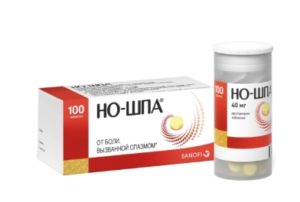
An adult is able to withstand severe pain. The child's nervous system is not fully formed, the pain threshold is lower than that of an adult. Therefore, when a pain syndrome appears in the abdomen, the doctor allows you to give the baby one No-shpy pill. It is the only drug that only acts on the area where the muscles are spasmodic. The nervous system remains intact, but the child's condition improves significantly.
It should be noted that this drug has contraindications:
- Individual intolerance to the active substance contained in the composition of the product.
- Kidney dysfunction.
- Insufficient liver function, decreased activity.
- Diseases of the cardiovascular system in acute or chronic form.
- The tablet contains an auxiliary component - lactose monohydrate. For people suffering from intolerance to this component, it is forbidden to take No-shpa. This applies to people with impaired absorption of carbohydrate compounds.
- Small children under the age of six do not take the remedy.
- Breastfeeding period. Absorption into the bloodstream and subsequent spread throughout the body leads to the fact that No-shpa enters the composition of breast milk.

Before taking pills, you should consult with your doctor. If the doctor's recommendations and instructions are not followed, undesirable effects occur, called side effects:
- From the side of the digestive tract, there is constant nausea, absence of stool, which, with appendicitis, negatively affects the patient's condition.
- In the central nervous system, the drug provokes headache, dizziness and sleep disturbance (absence).
- Cardiac system. The heart rate is rapidly increasing, tachycardia occurs. Blood pressure drops, hypotension develops.
- Allergy. Manifested by itching, skin rash, urticaria. The skin of the face and genitals swells (angioedema of Quincke develops). Anaphylactic shock may occur due to exceeding the permissible dose. The patient's pressure drops sharply, breathing stops, the pulse is quickened.
If any of these symptoms of an overdose appear, you need to go to the hospital, and stop taking the drug.