
Appendicitis from seeds: myth or reality
What is the catalyst for the manifestation of appendicitis? There are many myths about the development of appendicitis: excessive consumption of fatty foods, alcohol, carbonated drinks and even sunflower seeds. Appendicitis from seeds - is it a myth or a reality? Let's analyze.
Content
- 1 Opinion of the townsfolk
-
2 Authoritative opinion - physicians
- 2.1 Appendicitis catalysts
- 2.2 Eating sunflower seeds
- 3 Be careful
-
4 Life after appendix removal
- 4.1 Stop products
- 4.2 To eat or not to eat?
- 5 Destroying the myth
Opinion of the townsfolk
When you eat sunflower seeds, the husk gets into the stomach. Therefore, seeds are classified as contaminating foods. The structure of the peel is hard, does not dissolve. The danger from being in the stomach is small, of course, it will not reach death, but an excessive amount of it can become the root cause of many problems.
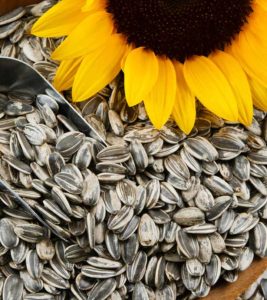
Hypotheses and beliefs about the development of appendicitis from the use of seeds are based on this.
Authoritative opinion - physicians
Appendicitis is an inflammation of the hollow appendage of the cecum located in the right lateral region of the abdomen. The location may be different, shifted due to a number of factors: pregnancy, illness, abnormalities in the structure of the body.
5 mechanisms of occurrence:
- Vascular. Pathologies of the hematopoietic system: vasculitis, thrombosis of the ilio-colonic artery can also become the root cause of inflammation of the appendix.
- Infectious. The presence of infections in the body: tuberculosis, amoebiasis, typhoid fever. Diseases of a viral nature also act as catalysts for inflammation.
- Mechanical. When the lumen is blocked, inflammation of appendicitis occurs, as a result, the multiplication of pathogenic microflora in the intestine. The culprits are parasitic diseases, for example, helminthiasis.
- Endocrine.
- Immunological.
The last two theories are closely intertwined. The appendix is directly related to immunity and endocrine processes. The structural components of the lymphoid tissue have an impact on the restoration of the body's defenses. The appendix is an organ of immunogenesis, a lymphoid organ.
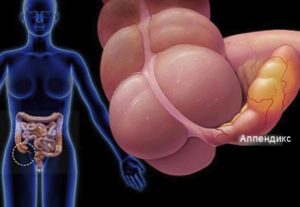
Due to the hyperactivity of the immune system, an overgrowth of lymph occurs. In parallel with this, an excessive amount of serotonin can be secreted in the cells of the appendix, which gives rise to the inflammatory process.
Appendicitis catalysts
The reasons that provoked inflammation of the appendix may be:
- Weakening of the body's immune defenses;
- Taking medications;
- Pregnancy;
- Diseases of the gastrointestinal tract;
- Untimely withdrawal of protein breakdown products.
The main reason for the development of appendicitis is blockage of the lumen of the underdeveloped end of the intestine. Inflammation of the appendix manifests itself not only due to mechanical clogging, but also the accumulation fecal stones, fibrosis. This affects the trophism of the organ, the pressure increases, the pyogenic bacteria are activated.
Adhesions caused by chronic diseases of the pelvic organs: cholecystitis, enteritis, adnexitis in women - squeeze the lumen of the appendix. The trigger is the pathogenic microorganisms in the stomach and intestines, as well as the bend of the appendix due to the presence of a foreign body in the appendix.
It's time to remember about the excessive use of seeds. The seeds themselves are completely absorbed by the body and cannot cause clogging of the intestinal lumen. The husk is excreted from the body unchanged. Sunflower husks are unlikely to enter the small opening of the appendix.
It can be assumed that the fruit seed will fall into the appendix and clog it. The conclusion is that there can be no inflammation of appendicitis from seeds, but the likelihood that it is the husk provoked a blockage, no higher than the occurrence of a blockage from bones or accidentally swallowed items. Sunflower husks, foreign bodies and roundworms do not become factors of inflammation of the appendix as often as they are credited with.
Eating sunflower seeds
You should not completely abandon seeds, but you need to adhere to the rules of use to prevent negative consequences:
- Peel sunflower seeds with your hands.
- Sort out the seeds from debris and rinse them before frying.
- Chew the seeds thoroughly, this will serve as insurance against their negative impact on the body.
Be careful
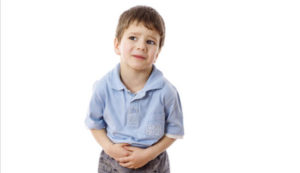
Appendicitis is a treacherous disease. The absence of any manifestations, signs and simultaneous inflammation of the cecum are possible. When the first signs of appendicitis appear, you should consult a doctor. Untimely treatment can lead to an abscess.
Focus on whether you feel any discomfort when consuming the seeds. You should be alert if the following symptoms are present:
- Feelings of nausea that develop into vomiting.
- Pain in the right hypochondrium.
- Problems with bowel movements (constipation or diarrhea) after eating sunflower seeds.
- Weakness affecting performance.
The development of acute inflammation of the peritoneum manifests itself in people of different age groups with additional symptoms: diseases of the digestive system. In children, the process has a rapid, growing development. The cause of the obstruction of the appendix is foreign bodies.
Life after appendix removal
Physical rest is prescribed for the first day, it is allowed to get up after at least 8 hours after the operation. Lifting weights is prohibited in the first month in order to prevent seam divergence. Sports in moderation is not prohibited. The first 8 days after the operation, solid food is excluded from the diet. Food is fractional, in small portions, plentiful drink. It is allowed to take products that have a sparing effect on intestinal motility: grated, liquid, semi-liquid food, steamed or boiled.
Stop products
Foods that increase the secretion of the stomach and irritate its mucous membrane, as well as those that can cause gas formation and fermentation, are excluded from the diet. These include:
- Salty, fatty foods;
- Spices;
- Coarse fiber is found in vegetables;
- Carbonated sweet drinks.
The list of prohibited and permitted products is extensive, a complete list is handed out upon discharge. Remember that the body is weakened after surgery, do not overload it.
To eat or not to eat?
Can I continue to eat sunflower seeds after having my appendix removed? For the first three months of rehabilitation, we exclude from the menu foods that clog the intestines, including seeds.
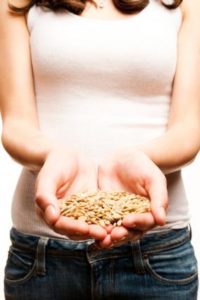
It is appropriate to recall such a concept as a clogged stomach and intestines. The cause is the ingestion of contaminated food. Moreover, the skin of the seeds in the liquid medium of the stomach can form sharp edges on the bends, which can provoke an ulcer. After the lapse of time, you can return to your usual diet.
Destroying the myth
An interesting fact is that even an unhealthy diet can provoke illness. Overeating, violation of intestinal motility (tendency to constipation), excessive consumption of meat lead to the accumulation of protein breakdown products in the intestine, then - the accumulation of pathogenic microorganisms.
The hypothesis that sunflower seeds can induce appendicitisThis is a myth, you need to be more careful with the husk. The reality is that the inflammation of the appendix is not due to seeds, but due to the neglect of food hygiene rules when using them. You can click the seeds, all that is required is to peel them. Do not give up your favorite treat. In addition, sunflower seeds are a useful product, a storehouse of vitamins.


