Appendix: what does a person need, the location of the rudiment
In nature, everything is so arranged that there is nothing superfluous, everything is located in its place, it performs certain functions. The human body does not contain excess. Any organ performs a special set of functions, thanks to which a person lives and feels. However, a little earlier, scientists and doctors agreed that the appendix is a part that is in the human body by mistake, representing a relic of the past. The need for a scion remained unclear.
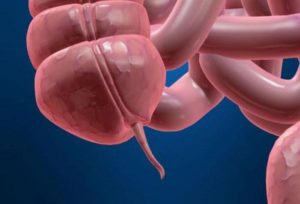
Anatomy: The intestinal tract is divided into sections: thin, thick and straight. The thick department starts with cecumwith a vermiform appendix - appendix. The organ shows the shape of a tube on the inside and an oblong view on the outside. The internal cavity is connected to the intestinal tract. The average length of the follicular apparatus is within 7-10 centimeters. There are also smaller sizes of 2 cm and longer lengths up to 20 cm. The appendix is 1 centimeter in diameter.
It is noted that the appendage in the cecum is observed only in mammals, with exceptions. For example, dogs, cats and cows cannot boast of having this organ. Horses, rabbits and sheep contain appendix in the body, and it plays an important role in digestion. The equine process is extremely large and digests rough food: bark, stems.
Content
- 1 Structure and location
-
2 Functions
- 2.1 An unnecessary organ
- 2.2 The main element of immune defense
-
3 Diseases
- 3.1 Catarrhal appendicitis
- 3.2 Purulent form of the disease
- 3.3 Gangrenous form of the disease
- 3.4 Violation of the integrity of the process
- 4 Rudiment or atavism
Structure and location
The length of the process in the adult body is 7-10 centimeters. In rare cases, the rudiment is small up to 2 cm or large up to 20 cm. The body weighs no more than 7 grams in a free state.
The internal structure of the appendix (histology): the mucous membrane, then the submucosal layer, the muscular apparatus and the serous tissue covering the organ from the outside. The top layer is the mesentery, which contains nerve endings and blood vessels that supply oxygen and nutrients. Outside, the organ completely resembles the cecum, functioning occurs due to the motor function.
The classic location of the appendix is defined as right-sided, incl. iliac region. It smoothly descends into the pelvic area, is in a free state. However, it is not at all necessary that the object is located in a similar way for any person. Other atypical positions of the caecum process:
- The organ is hidden behind the cecum;
- Raised towards the liver;
- Located on the side of the intestine;
- The process is hidden in the intestinal loops.
In inflammatory processes, symptoms appear that indicate the exact location of the process. This is important, the surgeon needs to know where to perform the operation.
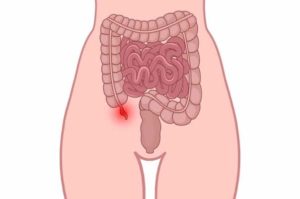
Location of the appendix in the body
Functions
Most scientists perceived and perceive the appendix as a relic inherited from their ancestors. In the course of evolution, the main functional purpose has been lost. Presumably, at first, he remained on a par with the internal organs of the digestive system and participated in the process of food processing. Gradually, the need began to decrease, and the organ itself decreased accordingly. Despite its small size, the shoot continues to perform an important function - protecting the intestinal tract from hostile bacteria and viruses. Small areas containing lymphoid tissue were found in the inner layer of the appendix. The functions performed by the body additionally include a number of actions:
- Secretory. Inside, lipase and amylase are produced, which are necessary for digestion of enzymes.
- Protective. The presence of lymphoid tissue allows the process to play the role of the immune system within the intestinal tract.
- Hormonal. Inside the organ, hormones are produced that affect the work of the sphincters and the motor activity of all parts of the intestine.
Throughout the intestine, there are lymph nodes that drive the lymph through the organ, clearing it of toxins and toxic substances. They are associated with the appendix and lymphoid tissue of the organ.
An unnecessary organ
Being inside the human body, considered a component of the large intestine, the appendix is not refers to the digestive system, which makes it an unnecessary and unnecessary rudiment with an unexplained role. Moreover, there is always a risk of inflammatory processes inside, which can even cause death. Therefore, in the past and the century before last, a decision was made to cut out the organ for prevention purposes.

During the 19-20 centuries, scientists and doctors made conclusions based on superficial opinions, without going deep and without thoroughly studying the issue. In previous years, the appendix was recognized as an atavism that interferes with life and constantly threatens health.
Many countries have taken a similar position. An example is Germany, which in the 30s began to remove the notorious process for all babies. Information began to flow from those to whom the rudiment had been removed. It became clear that children are developing poorly, often get sick, their immunity is reduced, and the number of deaths has increased.
A similar situation was encountered in the United States. American children lagged behind mentally, physically. Mother's milk was not absorbed in the child's body.
The 19th and 20th centuries turned out to be rich in rudimentary organs in the human body. According to scientists and doctors, a person carries at least 180 unnecessary appendages and organs in his own body: tonsils, thymus, spleen, etc. The great Russian scientist Mechnikov I.I. argued: if a person's large intestines are removed, the patient's life will improve significantly. The British pundit, surgeon William Arbuthnot Lane moved from words to deeds. He performed surgeries to remove the entire colon. Scientists have performed more than a thousand surgical procedures. His activities were condemned only in the 30s of the last century.
The main element of immune defense
Today the rhetoric has changed, and now what was considered a rudiment is becoming the most important element of the human body. After the conducted research, it turned out that in reality the organs perform the functions necessary for the normal existence of a person. In nature, everything is in its place, nothing more. The function of a particular rudiment is simply not yet known.
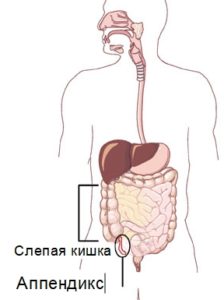
This also applies to the appendix. A detailed study made it possible to determine that inside the appendix there is a factory for the production of enzymes necessary for digestion, this includes lipase and amylase. Lymphoid tissue protects against viruses and hostile bacteria. The intestine contains microflora, which is also in the process. It helps the proper digestion of food and the release of beneficial and nutritious substances.
Diseases
Being, first of all, the protector of the digestive system from pathogenic bacteria and viruses, the appendix passes pathogenic microflora through itself. If the infection is stronger than the ability of the lymphoid tissue to protect, the organ becomes inflamed and a disease appears - appendicitis. The inflammatory process proceeds in several stages with individual characteristics: each follows from the previous one, if there is no treatment.
On the surface of the appendix, neoplasms can appear - carcinoids. More often the tumor is defined as benign. With unfavorable factors, cancer develops from the formations.
Catarrhal appendicitis
It is considered a mild form of the disease. Simple appendicitis, provoking organ edema. The inner mucous membrane becomes inflamed and thickens. The lumen decreases, at the same time the size of the follicular apparatus increases, and the internal pressure increases. The patient feels tolerable pain, dry mouth. The patient is worried about nausea, excessive gas in the intestines. In the future, the options for the development of the disease are as follows:
- If a person's immunity is strong, the body itself will be able to cope with inflammation, without the use of drugs or surgery.
- The lack of immune protection leads to increased symptoms and greater inflammation of the organ, transforming the disease into a new form.
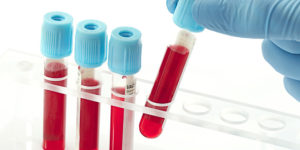
The process develops within six hours. Due to the unexpressed symptoms, the diagnosis of the catarrhal form of the disease is problematic. Blood tests show no increased leukocytosis.
Purulent form of the disease
Another name for purulent appendicitis is phlegmonous. It develops if there is no treatment for the first stage of the disease. From the mucous membrane, the inflammatory process goes into the following layers. In the lumen of the appendix, pus is formed, seeping into the deep layers of the organ. Gradually, inflammatory processes affect the abdominal region. As a result, the pain reveals a clear localization site: on the right in the iliac fossa. At the same time, the temperature rises, chills occur, and weakness in the body is felt. The development of the disease occurs in the period from 6 hours to a day.
Empyema of the appendix sometimes occurs. This is the blockage of the lumen of the organ with scar tissue or fecal stones. Edema indicates that the mucus does not see the exit from the appendix, the organ becomes inflamed, increases. The outer shell of the appendix changes its color, but there is no plaque.
Since the disease provokes irritation of the abdominal cavity, this greatly facilitates the diagnosis and subsequent treatment.
Gangrenous form of the disease
It takes 2 to 3 days from the onset of inflammation. The form of an acute disease is characterized by the death of the inner layers of the organ, nerve endings and a blood artery are exposed to necrotic phenomena. During a certain period, the patient will feel better. The intensity of pain will decrease, nausea will recede and vomiting will stop. But this is only a temporary and false recovery, provoked by the death of the nervous tissue. The internal inflammatory process continues, the person becomes weak. In the process of tissue dying off, decay products are created that are absorbed into the blood, then the bloodstream carries them to the internal organs. The color of the skin changes, a gray plaque appears on the tongue. The described stage is dangerous with a high risk of rupture of appendicitis. Immediate surgical intervention is indicated!
Violation of the integrity of the process
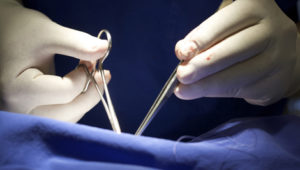
At this stage, the walls of the appendix cease to be a single whole, the contents enter the free space of the peritoneum, affecting the organs located nearby. Peritonitis develops. In surgery, this complication is considered an emergency case, when the slightest stop or delay threatens the patient with death.
What causes the inflammatory process:
- Mechanical. Worms, fecal stone in the appendix.
- Vascular. The occurrence of thrombotic phenomena in blood vessels, vasculitis, reduces the quality of blood supply to appendicitis.
- Infectious. It is believed that a certain type of pathogenic microorganisms is capable of provoking the onset of inflammatory processes: typhoid, tuberculosis, amoebiasis and others.
- Endocrine. Excessive production of serotonin becomes a provocateur of the disease.
- Immune. The onset of inflammation is associated with excessive activity of the cells of the immune system.
Rudiment or atavism
Examining the human body, they find many organs that provoke diseases and do not perform visible functions. In the 20th century, scientists and doctors counted 180 such rudiments of the body. All this was associated with little study of the body and its systems.
Numerous experiments on the removal of the appendix in infants and older people began to note an increase in the incidence of diseases, a decrease in immunity. Breast milk was not assimilated in infants. Children with a remote process lagged behind in development both physically and psychologically. Adults were more likely to fall prey to colds or more complicated diseases. This is one of the proofs that the organ is not superfluous, it is significant in the body.
As a result, scientists began to take a closer look at atavism. Studies have shown that the appendix plays an important role in protecting the digestive tract from infections. The immune system works well when all the ingredients are present. The scion is responsible for the digestion of milk and becomes a source of beneficial bacteria for the intestinal microflora.