Hypersalivation
 Hypersalivation( salivation, ptihalizm) is an increased secretion of salivary glands, observed, as a rule, in children 3-6 months. From the genus. In the event that hypersalivation manifests itself in an older age, this defect is considered a disease that brings a lot of discomfort and anxiety. In most cases, this physiological phenomenon is not due to overproduction of saliva, but is due to a violation of the swallowing reflex
. Hypersalivation is the cause of
. If hypersalivation is observed in children from three to six months, this is quite natural, after this age salivation is already consideredDisease. The cause of drooling are acute inflammatory processes developing in the oral cavity. This is due to the unconditioned reflexes of the human body in the form of a protective reaction to irritation of the mucous membranes. In this case, hypersalivation is recognized as a sign of a protective reaction of the body, while the treatment of the disease that caused it is necessary.
Usually hypersalivation accompanies the following diseases: cerebral palsy, epidemic encephalitis, stomatitis, Parkinson's disease, lateral mamniotrophic sclerosis, stomach ulcer. In addition, drooling is observed in case of an impairment of adequate cerebral circulation and during pregnancy during toxemia. Increased secretion of salivary glands can be caused by ingestion of harmful substances( iodine, lead, mercury) into the human body, due to poisoning caused by them.
Sometimes hypersalivation is false. In such cases, according to the sensations and from the patient's words, excessive salivation is present, whereas, after finding out the actual causes, it appears that this phenomenon is not observed.
. Hypersalivation - symptoms of
. Drug hypersalivation. Most of the drugs that influence drooling cause mild to moderate xerostomia. Simultaneously, the side effect of some drugs manifests itself in the form of abundant salivation. This side effect is observed with the use of nitrazepam( with the reception of this drug violated reflex swallowing) and lithium. Reducing the dose or completely canceling this drug most often eliminates drug hypersalivation.
Psychogenic hypersalivation. This type of salivation is extremely rare, occurs without any reason, signs of organic damage to the central nervous system are absent. Sometimes this kind of salivation is of a very serious nature, as a result of which the patient has to carry a saliva collection container.
Hypersalivation in pseudobulbar and bulbar syndromes. The degree of salivation in pseudobulbarnymi and bulbar syndromes different in their etiology( degenerative diseases, vascular pathology, poliomyelitis, syringobulbia, etc.) depends on the severity of bulbar disorders themselves. In some cases salivation can be over abundant and reach up to 900 ml per day. Patients in these cases are forced to constantly keep a towel or a handkerchief at the mouth.
Hypersalivation in cerebral palsy. This type of disorder is associated with the difficulty of swallowing saliva due to discoordination of the oral muscles, which significantly complicates the life of patients with this pathology.
Hypersalivation in case of somatic pathology. The increased saliva production is observed following radiotherapy( irradiation exposed salivary gland), malignant tumors of the head, with toxemia during pregnancy, helminthic infestations, ulcerative stomatitis
Hypersalivation - treatment
Treatment hypersalivation is to identify and then eliminate the source of infection that triggered the salivary gland to enhanced operation. In other words, in order to eliminate hypersalivation, it is necessary to cure all chronic and acute diseases that can cause excessive salivation.
In the treatment of hypersalivation, it is possible to use drugs with holinoliticheskim effect, which reduces the amount of saliva, but there are other unpleasant side effects. To temporarily reduce the abundant secretion of saliva, drugs with atropine can be taken. In some cases, irradiation and surgical treatment are used, but these methods threaten the development of serious complications( caries, facial asymmetry, etc.)
Overcoming the symptoms of hypersalivation in children
Preliminary work. The child should be taught with closed lips to swallow, suck in saliva, both in a normal position and with a head thrown back. Before performing each articulatory movement, the child should be reminded that it is necessary to swallow saliva. It is necessary to keep under control the position of the child's mouth and, if need be, to remind him that when he does not talk and does not eat, his mouth must be closed. It is necessary that the child independently formed a differentiated feeling of wet and dry chin. During the training at certain time intervals, you should pause, offering the child to swallow saliva.
The main stage.
1. Cryotherapy. This exercise consists in the alternate application of a piece of ice to the six points located along the contour of the lips( shown in the figure).The holding time of a piece of ice at points can range from five seconds to one minute. 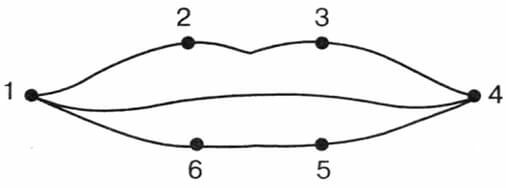
2. Rinse the mouth. Having preliminary made sure that the child does not have allergic reactions, rinsing of the oral cavity with the use of medicinal herbs like yarrow, bark of oak, infusion of hips. In addition, a phased gargling of the throat with a liquid / thick jelly, kefir, mineral water.
3. Logopedic massage. In the submandibular fossa, for 5 seconds, do light vibrating movements with the index finger( acupressure).In the two points located under the tongue, it is necessary to carry out a point massage with the middle and index fingers( as shown in the figure).Rotational movements should be performed for no more than ten seconds counter-clockwise.
In the place where the jaw bones meet, it is necessary to find parallel points under the ears of the ears and make circular movements with the index fingers clockwise for five minutes( 2.5 minutes with the mouth closed tightly, 2.5 minutes with the wide open).After this, it is necessary to massage the soft palate, which consists in carrying out the kneading and stroking movements with the index finger along the middle line of the soft and hard palate, beginning from the upper incisors to the ubilia itself.
4. Chewing solid food.
5. Dynamic and static articulation and mimic exercises:
- Imitation of swallowing, chewing and yawning with the head thrown back( it is recommended to carry out swallowing and chewing simulations with the mouth closed)
- Open your mouth wide enough and hold it in this position for five seconds. Then close your mouth. During the exercise, the tongue should lie quietly on the bottom of the mouth of the
. - Keep the lips with vials from various medications, cocktail tubes of different diameters, a strip of paper
- Simultaneously inflate both cheeks, then draw the cheeks into the mouth alternately with closed lips andOpen mouth
- Inflate and blow off alternately both cheeks( 4-5 repetitions)
- Pre-curling the tongue with a tube, suck in air through the formed hole
6. Activation of muscles using breadBall or honey. At the tip of the tongue, put the bread ball and make a swallowing effort with effort. To drop a drop of honey on the tip of the tongue, after which the tongue to do backward movements.
7. Breathing exercises. In a tall glass, do not pour water to the top, then take a tube for juice( each time of different thickness) and blow into it, making sure that the child does not inflate his cheeks.