Subfebrile in children
 Subfebrile in children - prolonged persistence of elevated body temperature, ranging from 37 to 38 * C.At the same time on the normal state of health of the child, this does not appear to be externally visible( there are no headaches, runny nose, cough and other symptoms of the presence of any disease).Until recently, it was believed that the fever over a sufficiently long time is a consequence of the presence in the body of a certain chronic infectious disease( pyelonephritis , infective endocarditis, chronic tonsillitis, etc.), but recently, subfebrile condition is associated with impaired functioning of the Central Nervous System. According to statistics, about 90% of children with prolonged subfebrile condition, the cause of the increase in overall body temperature is the thermoneurosis( heat transfer disorder), which resulted from fatigue, psychological trauma, overstrain, or an infectious disease
Possible causes of subfebrile condition
- Presence of foci of chronic infection inInternal organs
- Glaive invasion
- Infectious diseases
- Poisoning( intoxication)
- Immune protection disorders( congenitalOr acquired)
- Rheumatic diseases
- Increased thyroid activity
- Metabolic disorders
- Severe vitamin B and C vitamin deficiencies
- Allergic reactions( postvaccinal and drug)
- Post-traumatic brain injury
- Vascular dystonia
- Brain diseases
Diagnosis
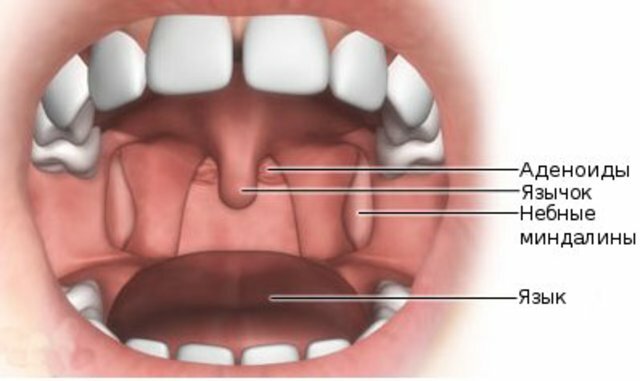
If the child has a sufficiently long period of time( about two weeks), there is an increased body temperature - it is mandatorycomprehensively examine desirable in a hospital environment. Initially, it is necessary to exclude the presence of foci of chronic infection, then for several days to conduct control temperature measurements, to conduct an x-ray examination of the paranasal sinuses and chest, and also to make blood tests, urine and tuberculin tests. Simultaneously, the child should be shown to the narrow specialists: dentist, phthisiatrist, neurologist, otolaryngologist, endocrinologist.
Having excluded the presence of foci of chronic and inflammatory diseases, correctly measuring the temperature, and also excluding the elements of the simulation, a diagnosis is made - a violation of thermoregulation of functional origin
Treatment of
Treatment of this condition is mandatory, because a prolonged temperature increase entails a decrease in the immunity of the child, Which will lead to frequent recurring catarrhal diseases. The treatment is aimed at eliminating the root causes that led to the breakdown of the thermal control system. Good results are provided by hypnotherapy( 10 - 15 sessions) and acupuncture( 12 - 15 sessions).In some cases, medication or the use of homeopathic medicines is prescribed. In addition to treatment, a child with a subfebrile condition needs to spend a long time on the air, properly and fully eat. Also, the child needs a quality long-term sleep and considerable physical activity, instead of watching TV and finding a computer.
More articles on the topic:
1. Hydrocephalus treatment 2. Hare lip treatment