Aloe allergy: symptoms, diagnosis, treatment, prevention
Content
- Allergy statistics
- What can cause allergies?
- Types of allergic reactions and their treatment
- Traditional methods of treating allergies
- Diagnostics
- Prophylaxis
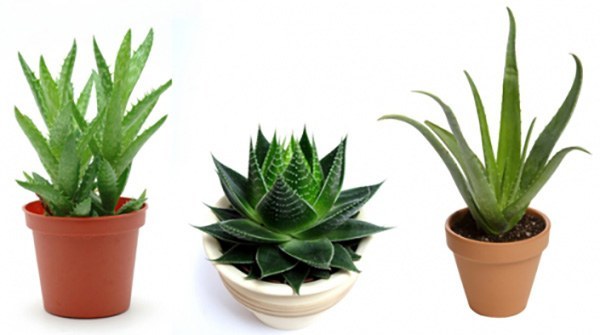
Aloe, in addition to its decorative function, is widely used as a medicinal raw material. Aloe juice can be used as an independent treatment at home, or as a basis for the manufacture of various pharmaceuticals. As with any medicinal substance or plant, there is an allergy to aloe.

Allergy statistics
Unofficial statistics say that aloe allergy occurs in about 2% of the population, mainly children under 10 years old. The relative rarity of allergies is "compensated" by the severity of the manifestations, sometimes life-threatening and for which serious treatment is required.
What can cause allergies?
Before starting to describe the allergy to aloe itself, it is necessary to conduct a small overview of the products containing the allergens. So these will be:
- the aloe plant itself. In everyday life, a person breeds, as a rule, the species Aloe vera, or true aloe. At home, it blooms quite rarely, the main way of allergization is contact or alimentary (when aloe juice gets inside);
- sabur - boiled aloe juice. Purpose - treatment of some problems of the digestive system - constipation, lack of appetite, decreased bile secretion. It looks like a reddish brown or greenish resin. The active ingredient is aloin glycoside;
- tablets 0.05 from leaves of treelike aloe;
- alcohol solution 80%;
- aloe liniment;
- aloe syrup with iron;

- canned aloe juice;
- aloe extract in the form of a solution for injection 1.5%;
- creams and various cosmetics that contain aloe.
Types of allergic reactions and their treatment
Local reactions: atopic dermatitis, conjunctivitis, urticaria, Quincke's edema.
Inhalation of vapors: allergic rhinitis (runny nose), symptoms of bronchial asthma, in severe cases - pulmonary edema.

Ingestion: allergic gastritis and gastroduodenitis, allergic bowel disease (colitis and enteritis). Treatment is carried out both general and special. In addition to etiotropic, that is, antiallergic treatment, there should be:
- diet therapy;
- immunomodulators;
- allergen immunotherapy;
- vitamin therapy;
- polyunsaturated fatty acid preparations;
- physiotherapy;
- symptomatic therapy (antipruritic, anti-inflammatory, antibiotic therapy, etc.).
Skin lesions with allergies
It happens when aloe juice comes into contact with the skin, ointments, liniment or aloe-based solutions are applied.
Atopic dermatitis.
Symptoms: Skin redness, itching, and a rash with scales or pinkish papules, most often on the bends of the elbows, on the neck and under the knees. Because of the itching, children often scratch their skin and infect them.
Hives.
Symptoms: small-point rash on the body. Treatment: topically - 5% dexamethasone ointment, prednisolone ointment, antibiotics for infection of scratches, tar ointment, zinc ointment, ultraviolet irradiation (phototherapy). Also washing in the shower without using a washcloth, linen with a minimum of synthetic fibers.
Eye Damage with Allergies
As an independent disease, it is rare, it can be in case of accidental contact of aloe juice in the eyes, as a rule, in children.
Allergic conjunctivitis and blepharitis.
Symptoms: redness and itching of the eyes, lacrimation, edema of the eyelids, photophobia, a secondary infection often joins and the inflammation becomes purulent. Treatment: eye drops with diphenhydramine, glucocorticoids, NSAIDs (non-steroidal anti-inflammatory drugs), dexamethasone-based eye ointment (Hydrocortisone), antihistamines such as: Opatanol, Histimet (only for children over 12 years old and adults), eye gel such as Solcoseryl, rinsing the eyes with saline, physiotherapy.
Respiratory tract damage with allergies
It happens when the nasal cavity is instilled with pure aloe juice.
Allergic rhinitis, bronchitis, bronchial asthma.
- Rhinitis (often combined with allergic conjunctivitis). Symptoms: nasal congestion, profuse discharge of clear exudate, sneezing. Treatment: vasoconstrictor nasal drops - Vibrocil, Nazol, Otrivin, Naphtizin and sprays of the Noxprey type. Application: 3-4 drops in each nostril 4-5 times a day. Do not use vasoconstrictor drugs for adults for more than 7 days in a row, for children under 12 years of age - for more than 3 days. Drops and sprays with antihistamines and corticosteroid components - Levocabastine (2 times a day, 2 inhalations), Allergodil (1-2 times a day).
- Allergic bronchitis and bronchial asthma. Symptoms: shortness of breath, wheezing, shortness of breath, wheezing, audible even from a distance, coughing (usually dry with bronchitis, with asthma at the end of the attack, a thick transparent, the so-called "vitreous" sputum. Treatment: hyposensitizing drugs, antihistamines, corticosteroids. Important: in case of asthma, drugs based on diphenhydramine should not be used. During an asthmatic attack: sitting position, intravenous aminophylline with saline in a ratio of 1: 1 (5 to 5 or 10 to 10 milliliters), diuretics (intravenous furosemide), if necessary, intravenous solution of 1% epinephrine. With pulmonary edema: a furosemide tablet under the tongue, if the blood pressure is low (upper numbers from 100 and below) - intravenously injected dopamine solution, if elevated (upper numbers from 140-150 and above) - intravenous nitroglycerin or spray, inhalation of alcohol, use defoamers. In emergency cases, intravenous morphine solution.
The defeat of the gastrointestinal tract with allergies
This pathway of allergy development occurs in young children, if they bit off the stem of aloe and began to chew, or in adults when taking aloe preparations (tablets, syrup, sabur).
Allergic gastritis (less often esophagitis), gastroduodenitis, colitis, enteritis, liver damage (hepatitis), pancreas (pancreatitis).
Symptoms: with gastritis - nausea, vomiting, spastic pain, with intestinal damage - constipation, or, conversely, diarrhea, increased gas production, or vice versa, their retention in the intestines, abdominal pain, absence appetite.

Treatment: if the allergen gets inside - gastric lavage, intake of sorbents (activated carbon), in severe cases - intravenous drip solution of glucose with ascorbic acid, solution of potassium permanganate or soda inside (for 1 liter of water 1 teaspoon soda). Hepatoprotectors such as glutargin or protargol. Special treatment for allergies: all the same antihistamines and steroids (it should be remembered that diphenhydramine, suprastin and diazolin cause drowsiness, so they should not be used by drivers or if any important Work).
Traditional methods of treating allergies
- Insist duckweed on vodka for seven days, dissolve one tablespoon of the resulting tincture in half a glass of water. Take twice a day for one month;
- 50 grams of chopped burdock and dandelion roots pour 500-600 milliliters of boiled water, leave for 10-12 hours, then boil and take 3-4 times a day before meals.

Diagnostics
It does not cause any particular difficulties, in children it manifests itself upon contact with a plant, in adults, as a rule, when taking aloe preparations. For a more accurate diagnosis, a skin test with an allergen is used.

Prophylaxis
It is quite easy to protect yourself from this type of allergy, since in our latitudes aloe in the wild is not occurs, and you can see it only at home on the windowsill and, perhaps, in a greenhouse somewhere in the botanical garden. Cross-allergy to aloe has not been described, apparently, this is due to the exoticism (despite the popularity) of the plant. So:
- remove all plants of the genus Aloe from the house;
- since aloe preparations belong to immunomodulators and adaptogens, that is, they are not vital for treatment, but are used as aids, they can be removed from the home first-aid kit and replaced with something similar in action but harmless in terms of allergies.
And remember: at the first symptoms of aloe allergy, be sure to contact an allergist and follow his instructions. Do not self-medicate! Be healthy!