Cardiac tamponade
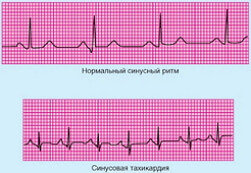
 Cardiac tamponade is a kind of clinically acute syndrome that has a direct connection with a rough disruption of the heart and its hemodynamics due to the rapid accumulation of fluid in the pericardium and increased pressure inside the pericardium. Cardiac tamponade can be characterized by discomfort in the chest, expressed with shortness of breath, tachypnea, sinus tachycardia, paradoxical pulse, lowering of arterial pressure, jugular vein swelling, fainting or shock.
The diagnosis of "cardiac tamponade" is based on data from physical examination, ECG, echocardiography, radiography, and right heart catheterization. With cardiac tamponade, an emergency puncture of the pericardium can be indicated, and in some cases, pericardiotomy.
Heart Tamponade Causes
With cardiac tamponade, hemodynamic disturbance depends not so much on fluid volume as on the rate of its entry and the degree of pericardial capacity. In a normal state, the pericardial cavity contains about 30-40 ml of fluid, and the pressure inside it is 0 mmHg. Because of the adaptive ability, slow intake and accumulation of up to 2 liters of effusion in the pericardium results in a less pronounced increase in pressure in its cavity. But with a sudden intake of even a small amount of exudate( about 100 ml), there is a sudden pressure jump inside the perkyard cavity, which leads to compression of the heart and adjacent areas of the lower and upper hollow veins. Because of this, an obstacle is formed to the blood flow to the area of the ventricles, which leads to a decrease in their accumulation during diastole, a reduction in the volume of heart beats and ejection.
It is known that at the end of diastole the level of pressure in the right ventricle and atrium is 8 and 6 mm Hg, while in the left ventricle and atrium - up to 16 and 12 mm Hg. Tamponade of the heart develops when the pressure becomes equal to the final diastolic level of pressure in the ventricles.
Cardiac tamponade is a critical condition that is caused by the gradual accumulation of fluid in the pericardium, a significant increase in pressure inside the pericardium, a violation of filling the diastolic pressure of the ventricles, which leads to a sharp reduction in cardiac output. According to its clinical signs, cardiac tamponade can be both acute and chronic.
Cardiac tamponade develops due to accumulation in the pericardial cavity of a different in nature fluid and gas. The liquid accumulated in the cavity can be represented in the form of: blood, lymph, purulent contents, transudate and exudate.
Often, acute cardiac tamponade develops because of hemopericardium - bleeding into the pericardial cavity, developing with closed or open injuries of the chest or heart. It can also develop due to interventions on the chest( myocardial biopsy, venous central catheter placement, heart examination with a probe, respiratory or cardiac surgery).There are cases when acute cardiac tamponade developed due to myocardial infarction, which was accompanied by spontaneous rupture of the heart;Stratifications of the aortic aneurysm;When treated with anti-clotting drugs( anticoagulants).
Cardiac tamponade complicates the course of tuberculous, idiopathic or purulent pericarditis, malignant tumors of the chest, renal failure, myxedema and systemic diseases( lupus erythematosus, etc.).
Cardiac Tamponade Symptoms
Symptoms of cardiac tamponade are characterized by a severe limitation of the pumping work of the heart and its ejection. Patients make complaints mostly non-specific. As a rule, they include: a feeling of squeezing in the chest and heaviness, a panicky feeling of cardiac arrest, dyspnea of a growing character, severe weakness, cold sweat.
At full-time examination of the patient often reveal cyanosis of the skin and mucous membranes, tachycardia, agitation of psychomotor genesis, frequent shallow breathing, paradoxical pulse, hypotension. At auscultation, deaf tones in the heart are heard. In case of an acute pattern of cardiac tamponade, due to the powerful work of the sympathoadrenal system, blood pressure may remain at the same level for some time and an improvement in the venous return performance can be noted.
Clinic of severe and with this acute cardiac tamponade, which is caused by rupture of the aorta or myocardium, can manifest itself by the development of syncope and collapse of hemorrhagic nature. These conditions require urgent surgical operation, without which a fatal outcome occurs.
With a slow development, the signs of cardiac tamponade are similar to the symptoms of heart failure. Patients are troubled: weakness, moderate pain in the right side of the chest, loss of appetite, increased dyspnoea with physical exertion, ascites and hepatomegaly.
Suspected heart tamponade is possible if the patient develops joint tachypnea, dyspnea, high blood pressure inside the pericardium, low blood pressure in the absence of symptoms of left ventricular failure.
It is important to carry out an ECG or Echocardiogram, an X-ray examination, and in some cases also an esophagogastric echocardiogram.
Cardiac tamponade treatment
Because of the life-threatening patient's condition with cardiac tamponade, emergency evacuation of fluid from the pericardium through pericardial puncture( pericardiocentesis) or surgical intervention is indicated. To provide hemodynamic support, it is necessary to carry out infusion therapy with intravenous injection of nootropic drugs, plasma.
Pericardiocentesis is performed under the control of fluoroscopy or EchoCG, with constant monitoring of arterial pressure, heart rate and intrapericardial pressure. The persistent clinical effect of puncture of the pericardium with cardiac tamponade is revealed even when 30-50 ml of fluid is taken from its cavity.
After evacuation of the effusion, antibacterial drugs( cephalosporins or penicillin series antibiotics), hormonal agents, sclerosing drugs can be introduced into the pericardium area. To prevent recurrence of fluid accumulation, a drainage is established in the pericardial cavity in order to permanently evacuate the exudate.
If there is a high risk of developing a repeated cardiac tamponade, preference in the treatment of this disease is given to surgery( pericardiotomy), which provides the most complete evacuation of fluid from the pericardial cavity. During pericardiotomy, an opening is made in the pericardial wall to drain the cavity and a revision of its internal surface is performed to detect tumor foci or hemopericardia due to trauma.
If you do not diagnose the cardiac tamponade in time, then in almost all cases the patient's death occurs. The situation may be unpredictable in the development of cardiac tamponade and hemopericardia due to a rupture of the heart or serious injury, aortic aneurysm dissection. Early diagnosis and provision of medical emergency care for this disease predicts a favorable outcome and progress of the rehabilitation process.
Preventative measures for cardiac tamponade are the timely treatment of pericarditis, compliance with intervention techniques during invasive procedures, monitoring the state of the coagulation system in the treatment of anticoagulant drugs, treatment of co-morbidities.
Heart tamponade emergency care
First aid for cardiac tamponade is in certain medical activities. Tamponade of the heart develops due to trauma to the organs of the chest or heart, pneumothorax, myocardial infarction, etc. With numerous fractures of the ribs, a circular immobilizing bandage dressing is performed and percussion of the chest organs is performed to identify deaf tones characteristic of the tamponade. With the open and valve pneumothorax, which open from the outside, first the wound is applied to the occlusive dressing.
In case of a heart injury, first of all, the pain syndrome is removed by intravenous injection of 50% Analgin solution in a 2 ml dose or 2% solution of Promedol in a dosage of 2 ml. In case of cardiac tamponade, emergency medical measures are carried out, which consist in fast puncture of the pericardial cavity, simultaneously with the urgent transportation of the patient in the position of reclining on stretchers to the hospital.
In the same position, the patient undergoes puncture of the pericardium in the point located in the upper corner between the median segment of the costal arch on the left and the xiphoid process. Fence exudate is made by a needle type Dufot, which has a wide lumen. The puncture is made under an oblique direction upward behind the surface of the sternum and costal arch at an angle of 30 ° with respect to the surface of the thorax.
During pericardial puncture from the lumen of the needle, the blood runs out with a continuous stream. In the pericardial cavity, the needle is left during the transportation of the patient until it is determined in the operating room, the thoracotomy and the final stop of the bleeding.