Achilles bursitis
Description
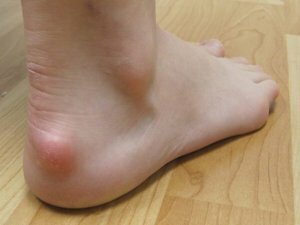
Achilles bursitis is an acute or chronic inflammation of the synovial sac( bursa) located between the calcaneus and Achilles tendon. In the course of the development of the disease in the bag begins to accumulate exudate( liquid), because of which gradually begin to thicken the tissue. Partial motor function of the joint is lost, sometimes even completely.
Classification of
The classification of achillobursitis occurs according to the following parameters:
- The course of the pathology is acute, chronic, recurrent.
- Type of agent - specific and nonspecific( trauma).Specific subdivisions by type of infection.
- Composition of liquid( exudate).
Reasons for
 There are many reasons for the appearance of Achillobursitis. The most common of these:
- is an overweight person;
- prolonged pressure on the joints of the lower limbs;
- infection with trauma;
- rheumatoid arthritis;
- other joint diseases.
The disease begins to manifest itself when exudate accumulates in the synovial bag. As a result, swelling and tissue tightening occur. The ankle joint loses its functionality.
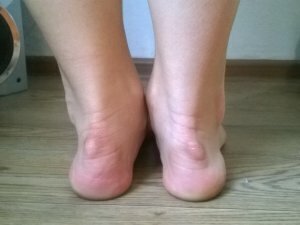
Inflammation can be unilateral or bilateral( on both extremities).If this pathology is detected along with inflammation of other joints, then the cause may be rheumatoid arthritis. If the inflammation has arisen only on one limb, then it is defined as traumatic.
Symptoms of
 The main symptoms of Achilles tendon bursitis are:
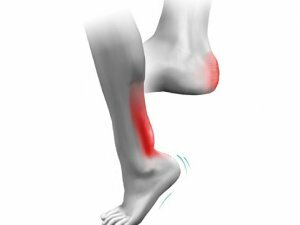
- swelling and redness of the skin in the area of its lesion;
- severe pain when moving around the heel and whole ankle;
- swelling in the ankle and its limited mobility;
- when the disease worsens, the patient's body temperature rises to 38 degrees;
- A tendon rupture is possible if the load on the joint is not reduced.
Diagnosis
At the primary admission the examiner visually inspects the affected tendon. Notes the symptoms and features of the disease from the words of the patient. Next, laboratory and instrumental diagnostics are carried out.
Laboratory methods:
- Synovial fluid analysis.
- Determination of the level of urea in the blood.
Tool method:
X-ray examination. The nature of the joint change is analyzed from the images, the conclusion is made about the causes of the pathology( rheumatoid causes or trauma).
After careful analysis of the collected data, a decision is made on the method of treating Achillobursitis.
Treatment of
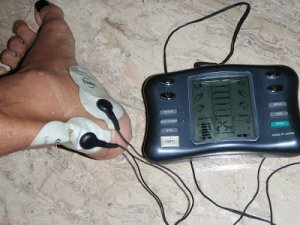 The method of treatment of achillobursitis depends on the form of the course of the disease:
- Acute form of .The joint is fixed with a gypsum langet. Anti-inflammatory drugs( nonsteroidal), injections into the joint of hormones and a course of antibiotics are prescribed.
- Chronic form of .Regular cleaning of the synovial bag from exudate, washing with antiseptic means. In exceptional cases, surgical removal of part of the heel bone.
- Purulent form. Mandatory bag washing, puncture. In severe cases - installation of drainage after opening the capsule of the joint.
At the beginning of the treatment process, the inflammatory process is stopped. Then follows the recovery period. The third stage is the prevention of relapse, prevention. Used ointments and gels with anesthetics, Vishnevsky ointment.
If the condition does not normalize, then resort to surgical methods of treatment:
- Punctures of inflammatory fluid.
- Opening or excising the synovial bag.
- Remove the top of its wall.
- Removing the bag without opening it.
- Tamponing.
After surgery, physiotherapy, therapeutic massage and gymnastics are prescribed for the speedy healing of tissues.
Folk remedies
 Treatment of achillobursitis is possible and folk ways. But the treatment of folk recipes must always be agreed with the doctor.
The following compresses positively influence the course of treatment:
- Compress of black radish. It is rubbed, laid on a linen cloth and applied to a problem place for 60 minutes. The procedure is carried out 2 times: morning and evening. Course - 3 weeks.
- Compress with a piece of unsalted fat. First, the foot is steamed, and then a piece of fat is applied. Compress remains at night. The course of treatment is 2 weeks.
- Compress with honey, vodka and aloe. Components are mixed in 1: 2: 3 proportions. The mass is distributed over the affected joint, wrapped and kept for the whole night.
- Compress with horseradish. Skin on the leg is lubricated with glycerin, grated horseradish is applied to the problem site. The procedure is carried out for two to three weeks.
Lilac leaves. Leaves perfectly cope with purulent diseases, have analgesic effect. They are applied to the problem area in fresh form. You can make and tincture on vodka.
Complications of
Only infectious bursitis is dangerous. It restricts the motor functions of the joint, can be transformed into a chronic form. Postoperative complications can lead a patient to disability.
Prevention
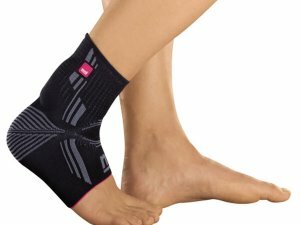
Prevention should be avoided by injury. Use fixatives that protect the joint capsule.
Do not allow the formation of pus and the development of inflammation. Regularly visit a doctor for preventive examination.
It is necessary to revise the diet of your diet, make it as useful as possible, more include fruits and vegetables, lean meat, fish. To be engaged in reduction of excess weight. The dishes with gelatin are very useful for restoring the cartilage.
If you have any symptoms of achillobursitis, you should consult a specialist. He will conduct research, prescribe treatment and an unpleasant illness will disappear very quickly.