Cardiosclerosis
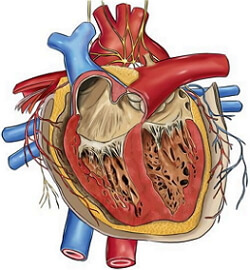
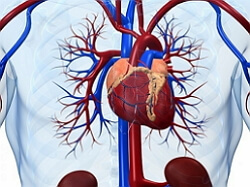 Cardiosclerosis is a concept of morphological and signifies a pathological process that leads to diffuse or local proliferation of connective tissue in the heart, followed by compaction of the organ. As a result of cardiosclerosis, functional units( cardiomyocytes) are replaced by non-functional tissue, and the heart loses its contractility, as well as the ability to conduct a signal from the sinus node. Any chronic inflammation occurring in the heart muscle can provoke cardiac cardiosclerosis.
Cardiosclerosis is incurable, and treatment is reduced to suppressing symptoms only. In severe cardiosclerosis, cardiac transplantation is necessary, which gives a very small percentage of the population a chance.
Cardiosclerosis causes
Morphologically, the following causes of cardiosclerosis occur: the outcome of an inflammatory process associated with an infectious agent, an allergic process, and, which is extremely rare, a foreign body;The result of rheumatic fever;The outcome of the organization of connective tissue at the site of necrosis, which originated in the place of acute ischemia;After mechanical damage to the heart tissue, rough scars from the connective tissue appear.
A large number of microorganisms cause myocardial damage, but not all cases of myocarditis will lead to cardiosclerosis. Sluggish chronic inflammation predisposes to the occurrence of cardiosclerosis.
Cardiosclerosis symptoms
Cardiosclerosis is a manifestation of chronic ischemic heart disease and can be atherosclerotic, diffuse, small-focal, or post-infarction large-focal, as a result of which chronic heart aneurysm is formed.
Cardiosclerosis occurs against the background of already existing pathology, and therefore the symptoms of cardiosclerosis overlap the symptoms of the concomitant disease. As a result of a decrease in the number of functioning myocytes, the myocardium loses its ability to effectively deliver oxygen to all tissues and organs in cardiosclerosis. Heart failure develops. For a long time the body manages to compensate for circulatory failure with the help of hypertrophy of a healthy area of the myocardium. Thus, the first manifestations of heart failure in cardiosclerosis appear at a stage that is not amenable to treatment.
Depending on the localization of cardiosclerosis, right ventricular and left ventricular heart failure is isolated. The symptomatology of them is different. Left ventricular failure is manifested when the lungs "overflow" with blood. As a result, dyspnea occurs, the patient takes a forced position to improve breathing, there are attacks of suffocation, coughing. In the terminal phase of cardiosclerosis, there is pulmonary edema, which can lead to death. An attack of pulmonary edema can happen at night, when a person is in a horizontal position. Skin pale, wet, suffocation makes the patient take a forced position, the pulse is frequent, breathing bubbling, sputum foamy pink, blood pressure lowered.
Right ventricular heart failure causes edema on the legs, and with further progression of the disease, edema "rises" higher;The liver is enlarged;Swollen veins on the neck;Fluid accumulates in the abdominal, pleural cavities and pericardial cavity;Swelling of the subcutaneous tissue.
There are several stages of heart failure.
Stage I - dyspnea and tachycardia appear only in physical work, and at rest a person feels well.
II A stage with left ventricular failure - shortness of breath, tachycardia appear with light load, moderate blueness of the extremities.
II A stage with right ventricular failure - edema on the feet and ankles appear in the evening, moderate increase in heart rate, moderate cyanosis of the extremities( acrocyanosis).
II B stage - obvious stasis in both circles of blood circulation, liver enlargement is considerable, edema is constant, working capacity is reduced.
III stage - characterized by persistent manifestations in rest of the symptoms and terminal impairment of the functions of all systems and organs.
There is also a division into functional classes depending on the physical capabilities of the patient. The first functional class is characterized by the absence of restrictions in physical activity. II functional class - moderate limitation of work capacity with the appearance of dyspnea, palpitation during normal work. In patients with functional class III, symptoms of circulatory failure appear in any physical work. The fourth functional class is characterized by a constant presence of symptoms of heart failure.
Due to the impairment of the pulse from the sinus node due to the morphological changes in the myocardium in cardiosclerosis, various heart rhythm disturbances occur. Extrasystoles are most often detected only with preventive examinations, since with a small number of them, no subjective sensations arise.
With progression of cardiosclerosis, the patient complains of interruptions in the work of the heart, the "fading" of the heart. Danger is borne by the ventricular extrasystoles, especially in patients with ischemic heart disease.
Paroxysmal tachycardia is characterized by a disturbance in the rhythm of the ectopic character with sudden acceleration of the contraction frequency and a similar sudden decrease in rhythm. In connection with cardiosclerosis, the excitation wave is delayed in a certain part of the heart and "circulates" along this section. This is how the excitability of the myocardium increases. The patient complains of a heartbeat, a pulse rate of more than 150 per minute is determined. There is shortness of breath, severe weakness. With the development of cardiogenic shock, blood pressure drops sharply, a cold sweat emerges, the patient loses consciousness. Often there are pain in the heart.
Atrial fibrillation very often accompanies atherosclerotic, postinfarction and myocardial cardiosclerosis. Cardiosclerosis provokes the emergence of a circular excitation wave in the atria or ventricles. Such waves in the atria are layered on the main rhythm, and the frequency of the waves is 350-600 per minute. These waves are called fibrillation or atrial fibrillation. Subjective sensations at the same time are reduced to an unpleasant feeling of rhythm disturbance, dizziness, weakness when performing physical exertion. The prognosis for patients with cardiosclerosis in atrial fibrillation depends on the frequency of occurrence and the area of the myocardium covered by cardiosclerosis.
Atrioventricular blockades result from the involvement of myocytes in cardiosclerosis, which participate in the impulse from the atrioventricular node. If I - II degree does not give any clinical manifestations, then with complete blockade there is weakness, a rare heartbeat, dizziness, headaches, loss of consciousness. These symptoms indicate a decrease in the blood supply to the brain.
Syndrome of weakness of the sinus node is also a manifestation of cardiosclerosis. Sclerotic changes lead to a decrease in the function of the sinus node, which leads to bradycardia and stopping rhythmic activity.
A tahi-bradyarrhythmic variant occurs when other structures begin to take part in the formation of the rhythm. As a result, the transition to a permanent form of atrial fibrillation may occur. At the initial stages of the disease, a person does not make complaints. Then there are symptoms associated with a decrease in the blood circulation of the brain: weakness, dizziness, memory loss. Cardiac complaints include shortness of breath, angina pectoris. Insufficiency of blood circulation of the extremities in a patient is manifested by pain in calves, heaviness in the legs. For episodes of asystole are characterized by: "failure of memory", swallowing of endings of words, cases of loss of consciousness( Morgagni-Adams-Stokes syndrome) are possible.
In addition to the patient's complaints, the diagnosis of cardiosclerosis is made on the basis of electrocardiography, echocardiography, and the determination of the patency of the coronary vessels. All diagnostic methods show the presence of a non-functioning part of the myocardium. The fraction of the discharge of blood decreases, coronary arteries are impassable. Depending on the type of cardiosclerosis, these or other symptoms may predominate.
Atherosclerotic cardiosclerosis
Atherosclerotic changes disrupt the blood flow through the coronary arteries due to the deposition of atherosclerotic plaques on the walls of the vessels and formation of platelet aggregates and then a thrombus in the plaque area. This may affect the area of blood supply to one or many branches of the coronary arteries. With long-term ischemia, organic changes occur in the muscle tissue of the heart, replacing it with a connective one. With this pathology, both small-focal cardiosclerosis and diffuse cardiosclerosis can develop. It depends on the involved in the atherosclerosis of the coronary arteries.
The mechanism of development of atherosclerotic cardiosclerosis is ischemic and has symptoms of coronary heart disease. At the onset of cardiosclerosis, the patient complains of angina pains that are stopped by nitrates, rhythm disturbance, weakness, swelling, and disability. In coronary angiography, it is seen that arteries, blood supplying the heart are deformed and their lumen is closed by atherosclerotic overlays. When studying the composition of the blood, there is an increase in cholesterol, which is directly related to the progression of atherosclerosis.
The prognosis for this type of cardiosclerosis is determined by the extent of the lesion. Small-focal cardiosclerosis can not manifest itself throughout life, a diffuse variant causes very dangerous complications.
Postinfarction cardiosclerosis
Postinfarction cardiosclerosis is one of the manifestations of coronary heart disease. Based on the name it is clear that this type of cardiosclerosis appeared on the site of damaged myocardial tissue as a result of a heart attack. At the site of the infarct, inflammation forms, which is soon replaced by a connective tissue scar.
The hearth of a heart attack can be of various sizes. Small-focal cardiosclerosis is formed with a small-focal infarction. Diffuse cardiosclerosis is typical for massive myocardial damage.
For the diagnosis of postinfarction cardiosclerosis, an anamnesis with a previous heart attack, symptoms of heart failure and rhythm disturbances are necessary.
The prognosis for this variant of cardiosclerosis is unfavorable, as it is often aggravated by repeated infarctions.
Diffuse cardiosclerosis
The term "diffuse" in this case means "uniformly distributed".
Diffuse cardiosclerosis is a concept that characterizes pathology in terms of the vastness of the affected myocardium. That is, the heart muscle is affected evenly and completely. There is such a cardiosclerosis most often against a background of coronary heart disease, when a large area of the myocardium is affected, and with myocarditis.
Symptoms in the diffuse version of the course of cardiosclerosis are more severe and progress more rapidly. Therefore, immediate therapy of cardiosclerosis is required so that life-threatening complications do not arise.
Postmiocardiac cardiosclerosis
Myocarditis is a polyethylene disease. Inflammation of the myocardium can be a result of infections, systemic inflammatory diseases, allergic reaction, toxic effects, the effects of medications, etc. A huge number of pathogens cause inflammation of the myocardium. Bacteria, viruses, protozoa, helminths, rickettsia, spirochetes, fungi cause damage to the myocardium.
Cardiosclerosis is more rapid in myocarditis, mediated indirectly. Drugs cause myocarditis, which is based on an allergic reaction. In the treatment of cytotoxic drugs, antituberculosis drugs, antibiotics, anticonvulsants, non-steroidal anti-inflammatory drugs, diuretics, an immune response arises with involvement of the myocardium.
Cardiosclerosis is also caused by uremic myocarditis, which occurs as a result of toxic effects on the body, systemic lupus erythematosus, idiopathic dermatomyositis cause myocarditis. This causes damage to the endothelium of microvessels, which supply blood to the myocardium. As a result, blood cells come out of the bloodstream and impregnate the heart tissue. Full blood vessels can not fully supply the myocardium with oxygen, and over time, the muscle tissue is replaced by a connective tissue. This process leads to cardiosclerosis. Inflammation should be chronic.
The appearance of cardiac complaints in infectious myocarditis is preceded by symptoms of general intoxication. Most often, people aged 35-45 years are affected. After 1-2 weeks, after suffering an infectious disease, pains occur in the heart area in 85% of patients, a sense of disruption, shortness of breath during physical work, general weakness, sweating. At the same time, the intensity of the pain symptom increases, it is not stopped by nitrates.
Shortness of breath with myocarditis manifests itself already at the stage of onset cardiosclerosis. Often patients with myocarditis complain of a fever. Myocarditis of an allergic nature can be manifested by rashes on the skin. When cardiosclerosis has already developed, rhythm disturbances occur. Thromboembolic complications are possible with both acute and chronic myocarditis, which has passed into cardiosclerosis. With the course of myocarditis are divided into acute, subacute, chronic, recurrent, latent. It is the chronic course that contributes to the onset of cardiosclerosis. Duration of the disease for more than 6 months indicates a chronic variant of the course.
Cardiosclerosis treatment
Treatment of cardiosclerosis is aimed at eliminating the main syndromes. Since cardiosclerosis is an altered myocardium in a different kind of tissue, there can be no question of regression. Therapy in the case of cardiosclerosis is aimed at slowing the process of reorganization and improving the work of the heart.
To slow down the process, the main disease is treated. If cardiosclerosis is caused by an infection, then antibiotic therapy, antiviral, antifungal, anthelmintic, antiprotozoal drugs are used.
Therapy of the most dangerous consequence of cardiosclerosis - heart failure, reduces to reducing the burden on the heart. The patient with cardiac failure in cardiosclerosis must comply with the protective regime, physical activity is calculated individually in accordance with the functional class of the disease. Food for this pathology should be rich in protein, easy to digest, should contain a small amount of table salt. The consumption of liquid is reduced to 1.5 liters per day.
For patients of the first functional class, the physical load is reduced to daily work, but without unnecessary stress. II functional class implies the exclusion of physical education and hard work. For III and IV functional classes, cutting is limited to physical activity up to a semi-postal regime.
Drug therapy includes the following groups of drugs: cardiac glycosides, beta-blockers, angiotensin-converting enzyme inhibitors, diuretics, angiotensin II receptor antagonists and the first type, inotropic substances of a non-glycosidic nature, peripheral vasodilators.
Diuretics are the main means in unloading the heart muscle. At the first stages of heart failure in cardiosclerosis, Hypothiazide is used in a dose of 25-50 mg per day, followed by a rise in the dose to 75-100 mg per day. You can prescribe non-diasidic diuretics - Hygroton - 50-200 mg per day. To maintain a normal levelPotassium can be used together with these agents to take Spironolactone or Triamteren.
If heart failure is in more severe stages, then Furosemide is used - 20-40 mg per day, it is possible to increase the dose to 400 mg per day. Ectric acid is 25-50 mg per day, with the possibility of increasing the dose to 250 mg per dayBoumetamid 0.5-1.0 mg per day, followed by a maximum dose of 10 mg per day
If the body's response to diuretics decreases, two or more drugs should be combined. If the potassium content increases to 5.4 mmol / l against the background of the use of potassium-sparing diuretics, then their dose should be reduced.
Cardiac glycosides are also needed to treat cardiosclerosis. Their main function is to increase the strength of the heart muscle. At the same time, heart contractions are cut, the diastole is lengthened. As a result, a better filling of the ventricles occurs, and myocardial oxygen consumption does not increase. It is worth remembering that treatment with glycosides should occur with strict adherence to the dose and observation of the response to treatment, since the therapeutic dose and toxic are close in their values. With an overdose of glycosides, deadly conditions can occur, such as atrial fibrillation and bradycardia. There are the following indications for the appointment of cardiac glycosides: ciliary arrhythmia in tachysystolic form, patients with sinus rhythm in the absence of response to angiotensin-converting enzyme inhibitors, beta-blockers, diuretics. The initial dose of Digoxin is 0.375-0.25 mg per day for 5-7 days, then is prescribed at 0.125-0.25 mg per day. If a patient with cardiosclerosis is more than 70 years old, renal function or low body weight is disrupted, the doseShould be 0.125 mg per day.
Angiotensin-converting enzyme inhibitors are very effective for the therapy of cardiosclerosis. The main effect of these drugs is vasodilatation. With local action, the contractile ability of the myocardium increases. For the beginning of therapy, appoint Captopril - 6.25-12.5 mg, Enalapril -2.5 mg, Lizinopril 2.5-5 mg, Perindopril -2 mg. After 3-7 days it is necessary to increase the dose to the following figures: Captopril 150 mg, Enalapril 20-40 mg, Lizinopril 20-40 mg, Perindopril 4-8 mg.
Dynamic observation of patients with cardiosclerosis after renal function and potassium level in the treatment with ACE inhibitors is mandatory. Captopril is taken twice a day, the rest of the drugs have a longer duration of action and are taken once a day.
Beta-blockers are used to reduce the heart rate, reduce the degree of myocardial ischemia, reduce the frequency of arrhythmias, improve the contractility of the heart. If as a result of cardiosclerosis there was an atrioventricular block, then beta-blockers are not assigned. Treatment should begin with the following doses: Carvedilol - 3,125 mg two p / d, Bisoprolol - 1.25 mg 1p / d., Metoprolol - 12.5 mg 1 p / d. After 2-4 weeks, the dose doubles, if there are no complications.
Angiotensin II blockers are appropriate when the patient has had adverse reactions to the use of angiotensin-converting enzyme inhibitors in cardiosclerosis. These drugs are better tolerated by patients, and the effect is more pronounced than that of ACE inhibitors. But at the same time, angiotensin II blockers contribute to the degradation of bradykinin. But studies on these drugs have not revealed significant benefits, so they are uniquely assigned to patients with intolerance to ACE inhibitors.
Nitrates are currently used in the presence of high blood pressure on the background of heart failure in cardiosclerosis.
When treating extrasystole with cardiosclerosis, it must be remembered that rare atrial extrasystoles do not require medical therapy. To treat such extrasystoles normalize the regime, rest, nutrition. If the extrasystoles manifest unpleasant sensations, then it is necessary to start antiarrhythmic therapy.
For proper selection of drugs for patients with cardiosclerosis, daily ECG monitoring and trial courses should be prescribed. If the drug has to be prescribed empirically, then you can start with Amiodarone - 0.6 g per day. Followed by a lower dose. Sotalex in a dose of 80 to 160 mg per day. Propafenone - 600-900 mg per day. Etazition - up to 0.2 g per day. Aymalin - up to 0.3 grams per day. Dysopyramide - 0.6 grams per day. Allapinin - 75-150 mg per day. If accurately diagnosed ventricular extrasystole, procainamide hydrochloride is added at a daily dose of 2-4g 4-6 techniques Etmozin - 0.6-0.8 g per day, Difenin - 0.117 grams per day in 3-4 divided doses, Mexiletine - 06 grams per day. When diagnosed with supraventricular arrhythmias in the background Cardiosclerosis quinidine used at a dose of 0.2 g for 3-5 receptions per day, beta-blockers( propranolol -. 0.01-0.02 g 3-4 hours per day), verapamil - 40-80 mg for 3-4 doses per day. All medications should be taken with a minimum initial dose, the dose should be increased only after being convinced that there are no side effects. Preparations can be combined. With deadly conditions, emergency care is needed.
Paroxysmal tachycardia in cardiosclerosis should first be treated with non-drug therapy. Deep breathing, pressure on the eyeballs, straining, inducing vomiting - ways of arresting supraventricular paroxysmal tachycardia. If these mechanical effects do not lead to the desired result, then resort to drug therapy. Propranolol in a dose of 10-20 mg or Atenolol in a dose of 25-50 mg together with Phenazepam - 1 mg or Clonazepam - 2 mg. Verapamil should not be prescribed for paroxysmal tachycardia of unknown origin. When the origin of the tachycardia is established, then intravenously administered ATP, Verapamil - 2-4 ml of a 2.5% solution, Novokainamid - 10 mg of a 10% solution, Propranolol - 5-10 mg 0.1% solution, Propaphenone -1Mg / kg. In the absence of the effect of treatment, you can repeat the introduction of Amiodarone. If this does not work, the patient is subjected to electropulse therapy. Ventricular paroxysmal tachycardia is a life-threatening condition, especially in the background of cardiosclerosis. Need emergency assistance in the form of electropulse therapy against the background of intravenous injection of lidocaine, Amiodarone.
The main goal of the treatment of atrial fibrillation in cardiosclerosis is the arrest of seizures and an obstacle to the appearance of new ones. For preventive purposes, Heparin is administered. Cardioversion is applicable with obvious instability of blood circulation. The attack is stopped Amiodarone in a dose of 300-450 mg, Novokainamidom in a dose of 1000 mg. It is possible to use Nibentan - 10-15 mg, Propaphenone - 2 mg per kg. With a constant form of atrial fibrillation, quinidine is used with an increasing dose of 0.6 to 4 g per day, as well as cardioversion. In the absence of the desired effect, Digitalis is prescribed. It reduces the cardiac contractions, while the force of contractions increases, and the blood supply becomes more effective. With a constant form of arrhythmia, therapy is carried out for life. To prevent thrombotic complications, Aspirin is prescribed - 300-325 mg.
Depending on the degree of atrioventricular blockade, medical or surgical treatment is used. Blockade I degree does not require drug therapy. With blockade of the second degree, Atropine is prescribed in drops, and Isadrin 2.5 mg 4-6 times per day. A more severe course requires immediate hospitalization in order to avoid a significant disturbance of hemodynamics. In this case, the method of treatment is the implantation of an electrocardiostimulator.
Syndrome of weakness of the sinus node in cardiosclerosis can be treated promptly and medically. Assign sedatives, to accelerate the rhythm of using Atropine drip 4 times a day, Iazdin tableted 4-6 times a day, Euphyllinum, Nifedipine. In severe case of cardiosclerosis, a pacemaker is required.
Radical method of cardiosclerosis treatment is heart transplantation. The number of patients who underwent such operations is very limited. For this, donor and recipient correspondences must be met by many criteria.