Symptoms of bowel cancer
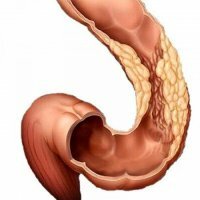
Symptomatic cancer depends on how the tumor develops, where it is located and what its form is, what stage of cancer the patient has, if the presence and development of metastases. All symptoms of bowel oncology can be divided into general, primary and secondary. Bowel cancer is a very serious disease and if you find most of the symptoms in your body, then you need to see a doctor without delay for proper treatment.
Primary symptoms of
Primary symptoms of cancer, unfortunately, do not allow to determine the presence of cancer in the early stages. The fact is that such symptoms are poorly developed and almost do not pay attention to them. The first symptoms are the appearance of blood and mucus from the rectum. The mucus itself does not appear, it just mixes with the blood and the blood. In patients with advanced stages of cancer, mucus is mixed with pus and smells disgusting. With regard to the allocation of blood, its amount is directly related to the size of the tumor. The bigger the tumor, the more blood. Blood appears either immediately before the excrement, or with them, making them almost black. With the cancer form started, the blood can be released in the form of clots and it is very unpleasant to smell. As you understand, such symptoms are manifested not only in intestinal cancer. They are present in diseases such as cracks in the anus, chronic paraproctitis, hemorrhoids. And only rectoscopy and examination of the intestines with the help of fingers make it possible to distinguish these diseases. It often happens that patients have some other disease in the neighborhood of cancer and timely diagnosis allows you to determine the presence of diseases in the early stages. With the development of the tumor and the appearance of metastases, the release of blood and mucus significantly increases. In addition, the structure of fecal matter changes and there is a sense of presence of a foreign object in the rectum.
Secondary symptoms of
Secondary symptoms of cancer appear when tumors significantly increase in size. This is a narrowing of the rectum and there is an intestinal obstruction, which is accompanied by constipation mixed with diarrhea, bloating, abdominal pain, severe peristalsis. It should be noted that stool in the form of diarrhea is very difficult for bowel cancer. The fact is that the intestine is not completely released and all the contents accumulate above the location of the tumor. This causes such a symptom in the intestine, like obturation intestinal obstruction and is accompanied by the appearance of a hole in the gut.
When the tumor is located at the bottom of the intestine, a person with cancer suffers from the fact that he constantly wants to go to the toilet, but when visiting the latter, either a small amount of excrement is mixed up with mucus, pus and blood, or the person does not defecate at all. The fact is that the tumor occupies almost the entire cavity of the intestine and the feces simply can not move freely along the intestine. In addition to the symptom of a constant desire to visit the toilet, the patient has pain in the sacrum, coccyx, anus and in the waist.
If the tumor appeared in the ampulular department of the rectum, it leads to the appearance of a feeling that the intestine has not emptied completely and there is something left, whether you went to the toilet or not.
When the tumor is located in the middle of the intestine or in the upper part, it can not only infect the large intestine but also throw metastases into the walls of the bladder. A fistula is formed between the bladder and the bowel.
Permanent confinement of the intestine by feces traumatizes the tumor, which leads to inflammatory processes that pass to adjacent organs, as well as the occurrence of abscesses in the abdominal cavity.
General Symptoms of
Common symptoms appear only when the tumor is very common. These include such human conditions that lead to a worsening of the patient's condition, namely: fatigue, severe weight loss, decreased efficiency, weakness. In addition, the skin loses its elasticity, it becomes dry, and the face acquires an earthy color.