How to treat male infertility
 Male infertility, this is a huge layer of diseases, the result of which is the inability to conceive a child. There are also many options for treatment, so the choice of method, first of all, depends on the cause. However, there are general recommendations that every patient performing infertility treatment should observe:
- Quitting smoking.
- Refusal of alcohol, with a full, dangerous for the childbearing function is considered a dose exceeding 60 grams per day.
- Regular sex, 3-4 times a week.
- Elimination of chronic stress - more sleep, walk in the fresh air, more positive emotions.
- Moderate physical activity - bicycle, swimming, etc., positively affect blood circulation in male organs.
- Fighting overweight, we mean not only an excess of body weight, but also the waist. Abdominal obesity( fat deposition on the abdomen, see how to remove the belly to a man) adversely affects the production of male sex hormones, and, consequently, poorly reflects on the potency and the possibility of conception.
- Exception of testicular overheating - spacious underwear, refusal to visit baths and saunas, do not go in the car with the heated seat heating.
- Admission of multivitamins( see vitamins and minerals necessary for men).
Contents
- 1 Conservative treatment methods
- 1.1 1. Treatment of infections of the genitourinary system.
- 1.2 2. Hormone therapy.
- 2 Surgical treatment and alternative methods of fertilization
Conservative treatment methods
1. Treatment of infections of the genitourinary system.
According to WHO recommendations for infections of the male sexual sphere include:
- Urethritis - infection of the urethra.
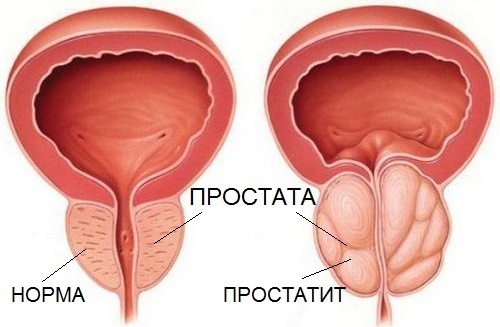
- Prostatitis is an infection of the prostate.
- Orchitis is an inflammation of the testis. Epididymitis is an inflammation of the epididymis.
According to recent studies, the elimination of microbes in the male reproductive system does not increase the likelihood of conception, but it is necessary to fight infection. Urethritis, as a rule, is dangerous for the sexual partner, and orchitis or prostatitis can lead to azoospermia( lack of sperm in semen) or a deficiency of male sex hormones.
Treatment should be carried out taking into account the bacteriological examination of the pathogen. At the first stage, fluoroquinolones( ofloxacin, pefloxacin, norfloxacin) or tetracyclines( doxycycline) are prescribed, then, according to the results of the antibioticogram, the treatment is corrected. A good effect is demonstrated by macrolides( roxithromycin, clarithromycin, azithromycin), also cephalosporins( cefotaxime, ceftriaxone) are still relevant. The course of treatment lasts from 3 weeks. Up to a month, its effectiveness must be controlled.
2. Hormone therapy.
- Substitution - is to fill the existing, with some forms of infertility, a deficiency of male sex hormones - androgens.
- Blocking - the introduction of large doses of androgens, as a result of which the production of spermatozoa is blocked, after the drug is discontinued spermatogenesis is restored, while the sperm has the best characteristics in terms of conception possibilities.
- Stimulating - the introduction of small doses of androgens, which have a positive effect on metabolic and immune processes in the body.
Hormones can be used in both injection and tablet formulations, but skin gels and creams are the most popular.
Do not forget about the side effects of androgen therapy: increased risk of cancer, sodium retention in the body with subsequent increase in blood pressure, alopecia, acne.
Surgical treatment and alternative methods of fertilization
Unfortunately, conservative therapy is ineffective, it increases the probability of conception by an average of 6%, therefore surgical methods of treating male infertility are becoming increasingly popular.
- Varicocele - enlargement of the testicle vein. This disease is treated only surgically. If the varicocele is performed for infertility, microsurgical venous sastions are preferred, to improve the outflow of blood from the testicle.
- Artificial insemination - introduction into the uterus of male sperm, otherwise called artificial insemination. It is used, basically, at impossibility of fulfillment of a normal sexual certificate or act with normal ejaculation. Also used in an immunological conflict, when spermatozoa are unable to overcome uterine mucus. Sperm is injected into the cervical canal, or directly into the uterus. Before the procedure, as a rule, a medicamentous stimulation of ovulation is used.
- Obturation azoospermia - absence in the ejaculate( ejaculated semen) of spermatozoa, due to obstruction of the vas deferens. Microsurgical interventions aimed at restoring patency, these very channels are used.
- In Vitro Fertilization( IVF) - is used when other methods of treatment have proved ineffective. In this case, the fusion of the egg and sperm is carried out in artificially created conditions, and a ready embryo is inserted into the uterus. Very promising, though not cheap.
In conclusion, I will say a seditious thing. Thousands of children live in orphanages. If you can not conceive your child, maybe you should think about warming up the orphanage with parental warmth.
Recommended for viewing: