Treatment of prostatitis with antibiotics - list of medicines, conditions of prescription
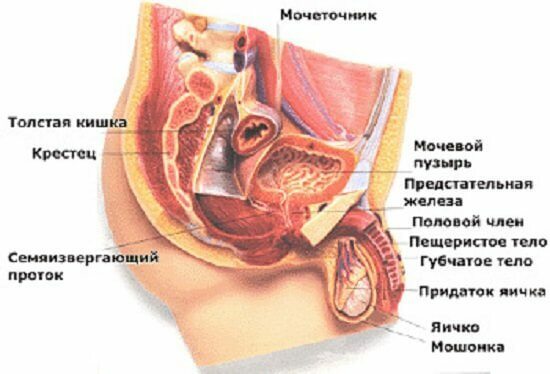
To understand how the treatment of prostatitis with antibiotics, you need to understand the disease itself, antibiotics and the process of selecting the drug. Inflammation of the prostate gland can have many causes: fungus, protozoa, bacteria, viruses and pathological processes.
The process of prescribing antibiotics for prostatitis
It is important to understand that antibiotics will help only against protozoa and bacteria, and only with the right group of antibiotics. If you make a mistake and start taking an unsuitable medicine, you can trigger the appearance of complications or the transition of the disease to a stable chronic form.
The main types of prostatitis are:
- Non-infectious prostatitis , it is also stagnant. Its nature differs radically from other varieties, since it begins because of stagnation of venous blood in the blood vessels of the pelvic organs or secretion in the prostate gland. This leads to inflammation, which can develop for years. Noninfectious form of prostatitis is not treated with antibiotics, since there is no need to destroy the pathogen. In addition, a non-infectious variety often misleads doctors, as the results of analyzes in most clinical cases explain little.
- Prostate tuberculosis - occurs either on the basis of conventional tuberculosis, or transmitted sexually. Recognize this type is most difficult: it is usually diagnosed during autopsy, in which it is found in 75% of patients with tuberculosis. This variety is the most insidious of all, since with successful application of drugs, tests can show false results, forcing the patient and doctors to think that the treatment was successful.
- Bacterial prostatitis , also called infectious, is a "classic" disease. The use of antibiotics is mandatory for the destruction of pathogens. This variety requires the doctor to know what these or other microbes are vulnerable to in order to use antibiotics as efficiently as possible.
But to understand what kind of prostatitis the patient has, the doctor needs to be diagnosed. To do this:
- An analysis of the composition of urine, special attention is paid to the number of leukocytes;
- Blood sample analysis;
- Check for the presence of different bacteria in scrapings;
- Prostate ultrasound.
After this, one of the groups of antibiotics is prescribed. There are no universal antibiotics, so we have to choose the group to which microbes are most vulnerable. If antibiotic therapy is unsuccessful, culture in the secretion of the gland and urine is carried out.
Sowing is an analysis that allows you to accurately identify a family of bacteria and select exactly the right remedy. In the urine collected from the patient or other subjects of biological analysis, the conditions favorable for the reproduction of microbes are created, as a result of which they can easily be attributed to one or another family of pathogens and tests can be performed on them.
List of antibiotics and their brief characteristics
The intake of these medicines should be comprehensive: at a minimum, you need to plan a course of 2 antibacterial drugs so that bacteria do not develop resistance, and to remove inflammation more quickly. The list of antibiotics used to treat prostatitis is as follows:
- Tetracyclines - excellent help against fungi and chlamydia, but negatively affect the gastrointestinal tract.
- Fluoroquinolones - have a wide spectrum of action, temporarily accumulate in the tissues of the prostate gland, are extremely effective. The ability to linger and accumulate in cells is of particular value: it turns out that with each dosage taken, their action slowly grows, suppressing bacteria. They can not be used as the only medication before an accurate diagnosis is not made, since fluoroquinolones are the only antibiotics that can cure tuberculous prostatitis. But if only this group of drugs is used against it, Koch's rod population quickly develops tolerance. Experts recommend using at least three antibiotics in combination with fluoroquinolones in tuberculous prostatitis.
-
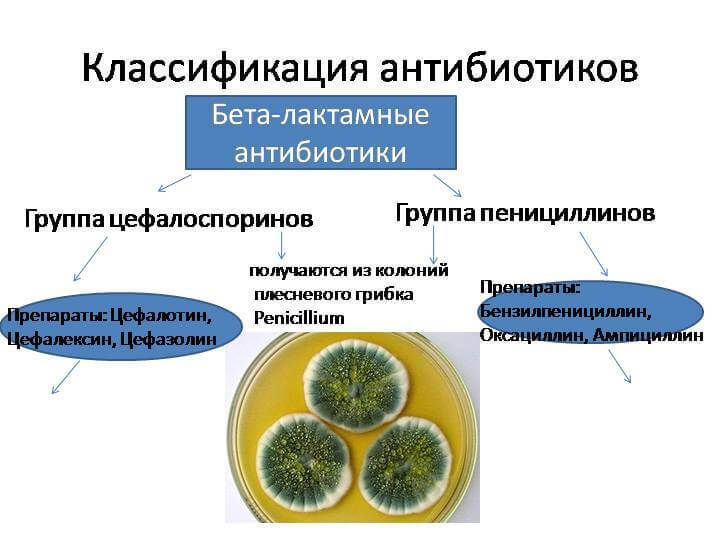
 Penicillins - relatively universal, available, almost without contraindications, unusually cheap. These qualities make penicillins the best adjuvant.
 - Macrolides - do not affect the microflora of the body, easily enter the prostate tissue, but not sufficiently investigated, so it's too early to talk about their effectiveness.
- Cephalosporins - have a solid spectrum of action, are administered intramuscularly.
It should be understood that there is no single regimen suitable for all patients in the use of antibiotics. The effect of each group of drugs depends not only on the characteristics of the causative agent of the disease, but also on the patient's history, contraindications, allergies and many other factors.
About the independent choice of antibiotics
The most competent decision is not to choose your own medicine, but to seek help from a professional medical professional. Attempts to self-medicate prostatitis are also fraught with the fact that with an improperly selected remedy, the disease can pass into a chronic incurable form, in which discomfort and painful symptoms will gradually increase.
To prevent this from happening, you should trust the doctor, not the advice of friends or unverified sources.
Recommended for viewing: