Is it painful to insert teeth: implantation of teeth is painful or not
Implantation of teeth involves the use of artificial materials to restore the functionality and aesthetics of the dentition.That is why it is necessary to clearly understand the necessity of this procedure and to have objective testimony.Nevertheless, it is a surgical intervention, which during the implantation and implantation stage can cause discomfort and even painful sensations.In this article, we will find out whether it is painful to insert an implant of the tooth, what indications and contraindications to the procedure exist.
The essence of the method and its main advantages
So, implantation is designed to restore missing teeth in the oral cavity due to age changes, injuries, bruises, strokes, chipped, pathological structure of the jaw.
The technique is the introduction into the jawbone of a titanium particle, which acts as a tooth root.The part of the system that is above the gum is already attached to the improvised root - the abutment( the base, the fastener) and the artificial tooth itself( the crown).

Dental implant
Often the procedure occurs simultaneously with the plasticity of the bone, which allows the material to be fixed steadily for years to come.
The main advantages of implantation are indicated below:
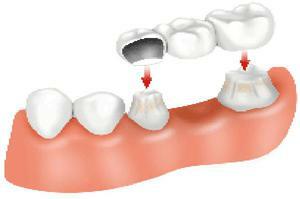
- All manipulations are performed by a doctor in the area of the missing tooth, without affecting the neighboring ones, which can not be said about the other system of prosthetics.For example, the classical system of bridges means the obligatory grinding of neighboring teeth.
- Implantation can be combined with plastic procedures to change the thickness, size and other quality characteristics of the jawbone.
- The use of the procedure is possible immediately after injury, injury, injury or shock, and also after amputation.
- The event allows you to eliminate any pathology of the dentition, including a complete adentium( toothlessness).
- The construction interferes with natural resorption of alveolar bone zones in case of loss of their teeth;
- Modern systems are very strong, durable and affordable for medium purse, while cases of rejection of the implant are minimized( up to 3%).
- To the question "is it painful to put dental implants" with confidence, we answer that no.All modern clinics use qualitative general, local or combined anesthesia, therefore implantation does not cause discomfort even to people with low pain threshold.

Before and after implantation of teeth
- Implantation allows restoring all the physiological functions of the dentition( nibbling, chewing, crushing, participation in the formation of sounds, etc.), as well as its aesthetic appearance.
- Fastening materials, the base( abutment) and the crowns themselves do not cause discomfort when socking, do not dig into the gums and, if hygiene is observed, do not cause inflammation of the mucosa.
Indications for implantation
Yes, this event is unique in its way, because it gives the person the hope to live their whole life with whole, beautiful and healthy teeth without using noticeable gold and silver alloys, etc.However, unfortunately, the event is associated with a heavy stress for the body, and unexpected consequences may appear under the influence of internal factors of the body.
In addition, many are interested in whether it is painful - dental implantation.The procedure itself is performed under anesthesia, but the period of implant survival can each occur individually and in the presence of contraindications and other negative factors identified in the consultation, you may be tormented by painful sensations for many months.This body demonstrates that it can not accept a foreign body.
Read the testimony:
- Pathologies and defects in the structure of the dentition , both congenital and acquired.We consider single and multiple defects( up to 3 teeth), which are restored under the condition of absolutely healthy adjacent teeth, absence of diseases and inflammatory processes of the mucosa.
- End pathologies. This is the absence of the last molars in the series.Other forms of prosthetics are rarely used in this case, because for the installation of the prosthesis it is necessary to have 2 supporting teeth on the sides.
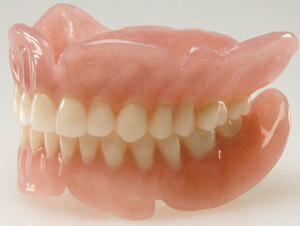
- Adentia( toothlessness), as well as atrophied alveolar shoots planting.If the patient does not want to have a false jaw and take it out every night, implantation allows to restore normal vital activity for many years.

absence of at least one tooth - a clear indication to implantation
- allergy prosthetic materials other forms( for example, on acrylates).
- Indication is a pronounced gag reflex , which does not allow a person to wear a patient removable structures.
- Disorders of bite and lack of closure of teeth , which leads to discomfort, changes in the symmetry of the face, the appearance of painful sensations.
- Increased brittleness and abrasion of the tooth , thin and sensitive enamel.
- Splitting of the tooth , on the basis of which the crown is formed.
Contraindications for treatment: the absolute and relative
In the case of implanting more contraindications than indications.Doctors strictly relate to this event, do not be lazy to collect a complete history( including genetic), send consultations to narrow specialists, diagnostic studies and laboratory tests.
Let's look at the most strict contraindications that in any situation will not keep experienced and qualified doctor to take the patient to the implantation:

follows a consultation dentist and other specialists
- clotting Before the procedure, dental implantsBlood, the nature of the blood flow, various pathologies and diseases of the circulatory system.
- Chronic diseases( diabetes, rheumatism, tuberculosis, asthma, epilepsy, etc.).
- Inflammatory processes and diseases of the oral mucosa( bacterial, viral, fungal, infectious, etc.).Especially it concerns pemphigus, aphthous stomatitis, lupus, Sjogren's syndrome and others.
- Pathology of the functioning of the endocrine system, kidney and adrenal, pancreatic and thyroid gland.
- Weakened immunity due to systemic diseases( lupus, hypoplasia, polymyositis, etc.), the state of immunodeficiency( AIDS, HIV, etc.).
- Defects of bone tissue, due to which its regeneration is inhibited( osteoporosis and osteopathy, osteonecrosis, dysplasia, etc.).
- Severe diseases of the nervous and cardiovascular systems.
- install dental implant is impossible when there are dependencies( alcoholism, drug addiction, drug abuse) and mental disorders( paranoia, schizophrenia, neurosis, hysteria, dementia, and others).
- Oncology and venereal diseases.
- Pathology of connective tissue in the jaw region.
- Allergy to alloys used and anesthesia.
Some contraindications are temporary or relative until they eliminate( cure):
- Pregnancy, the period of breastfeeding.

During pregnancy and lactation, tooth implantation is prohibited.
- Seasonal or individual vitamin deficiency.
- Inflammatory diseases of the mucosa( gingivitis, caries, periodontitis, periodontitis, etc.).
- The presence of a defective bite.
- Previous metal structures were introduced into other areas of the body.
- Diseases in the temporomandibular joint have been found.Badly selected diet, irregular snacks.
- Lifestyle: the presence of bad habits, enthusiasm for extreme sports, wrestling.
- Pathologies of the jaw structure: proximity of the maxillary sinuses, uncut teeth, atrophied bone, etc.
From the article, we learned whether it's painful to insert teeth, when to resort to a procedure, and when to choose more sparing techniques.First of all, remember that competent consultation can be obtained only from your treating dentist.