Hydrotherapy: indications, contraindications
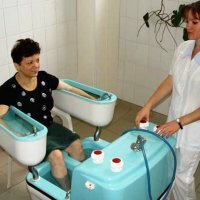
Hydrotherapy or hydrotherapy is the external use of fresh water( river, well, piped, lake) for the purposes of therapy and disease prevention. Hydrotherapy is one of the sections of physiotherapy. In some cases balneotherapy is also included in hydrotherapy. To procedures of hydrotherapy include souls, washing, medical baths, wrapping, baths, rubbing, dousing, compresses. How these procedures will affect the body is determined by the duration of the exposure, its intensity and the temperature of the water.
Hydrotherapy has a beneficial effect on the cardiovascular, central nervous and respiratory systems, stimulates blood and metabolism, helps to activate the work of thermoregulation mechanisms, increases the resistance of the body to negative environmental factors. If the water temperature exceeds 35.5 ° C, then the heat returns to the body, and if lower than this mark, then vice versa. Cold or cool procedures( which depends on which group of patients the patient is in), with the advice of a doctor and the correct dosage, help to raise the general tone of the body and are most often used as a means of tempering the body.
Mechanical action of water is due to its hydrostatic pressure( souls, bathrooms), as well as currents in the water, a kind of underwater massage that stimulates the general and local blood circulation, as well as metabolism. To enhance the healing effect in the water before the procedure( compresses, baths, wraps) add various components such as pine extract, sea salt, sage broth, etc. Children such procedures are recommended in the presence of diseases of the musculoskeletal system, kidneys, nervous system andetc.
From the history of hydrotherapy
The founder of scientific hydrotherapy is recognized by V. Winternitz, who carefully studied how this method works from a physiological point of view and was the first to apply it in the late 19th and early 20th centuries. After him, the development of this technique involved such scientists as S. Kneipp, G.A.Zakharin.
A great contribution to the practice of hydrotherapy was brought by the doctor A.S.Zalmanov. He developed and implemented a method of capillarotherapy, which includes a special diet, various hydrotherapeutic procedures and medical treatment. Although many doctors have advocated hydrotherapy, it is still not very widespread to this day.
Hydrotherapy: indications
Hydrotherapy treatments are recommended for the following diseases:
- thrombophlebitis
- arthropathy
- Crick
- pain
- feet Urolithiasis
- Gastric
- Liver disease
- Duodenal Ulcer
- Lack of appetite, frequent vomiting, flatulence
as a tonicThe general purpose cold procedures are used in the following cases:
- To stimulate the metabolism of
- To activate the function of the nervous anddechno
- circulatory systems for hardening the body
Warm procedures are assigned the following ailments:
- various chronic diseases of peripheral nerve lesions
- Some kidney disease
- Chronic intoxication
- insufficient vascular tone
- Hyperexcitability cardiovascular and nervous systems, and so forth.
Hydrotherapy: contraindications
- For women with menstruation
- In case of acute inflammation
- In case of complications of inflammation
- In case of exacerbation of chronic disease associated with inflammation of
- In malignant formations
- For cardiovascular diseases
- In benign formations that may have a tendencyto the growth of
Only with the appointment of a doctor, procedures can be performed if the patient is observed:
- Tuberculosis
- Infectious Diseases
- Glaucoma
- Renal Failure
- Blood Diseases
- Acute Weight Loss
- Individual Skin Diseases
The success of hydrotherapy depends on the precise adherence to a variety of regulations and rules. This should be remembered by anyone who is trying to conduct hydrotherapy at home. Therefore, it is best to consult a doctor.