Nephroptosis of the right kidney: main symptoms and treatment methods
Nephraptosis of the right kidney is the most common disease of prolapsed organs. It's all about the location of the right kidney. Anatomical prolapse of organs on the left is extremely rare, most often the cause is physical impact (injury). The main problem with nephraptosis is the difficulty of diagnosis. Very often, doctors mistakenly make the wrong diagnosis, explaining the pain with ordinary gastritis. For this reason, it is important to know the main symptoms of the pathology and insist on an additional examination.
It is very important not to trigger nephraptosis of the right kidney, since in the future, in the absence of proper treatment, the disease takes on very dangerous forms, causing more and more serious diseases. Below we have described all the possible treatments and methods for preventing this insidious disease.
What is kidney nephroptosis
The kidneys of a healthy person are in an almost immobile state and are located at the same level. Pathology caused by the mobility of one or two organs is nephroptosis. The kidneys move to the abdomen, groin or pelvis. The most common disease is nephroptosis or mobility of the right paired organ. Women are more at risk, due to the special physiological structure of the body.
The classification of nephroptosis is used by doctors all over the planet. Only a doctor can make a diagnosis, after the patient has been tested and an ultrasound examination has been performed. It is extremely difficult to palpate the kidney, especially in overweight people. After a proper examination, preliminary consultation, the doctor must prescribe an appropriate method of treatment, based on the severity of nephroptosis.
The degree of nephroptosis
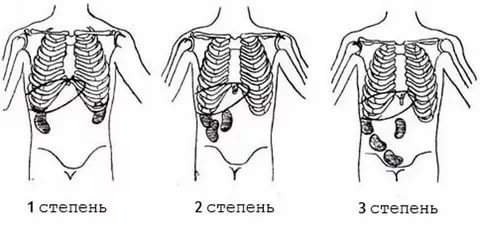
Nephroptosis of the painful right kidney occurs in both adults and children. There are three stages in the development of pathology. Each stage is characterized by its own peculiarities of identifying the problem, signs and difficulties in the treatment of nephroptosis. The following stages are distinguished:
- Grade 1 nephroptosis
The early stage of the disease, at which it is very difficult to identify the problem. Overweight adults are especially difficult to diagnose at this stage: it is extremely difficult to determine the pathology by touch. The kidney can be examined only during inhalation, otherwise it "hides" in the area under the right hypochondrium. It is much easier to cure nephroptosis on the right at this stage without surgery.

- Second degree
It is easier to diagnose grade 2 nephroptosis. In the upright position of the patient, the kidney comes out of the hypochondrium and descends. In a horizontal position, it hides back up or you need to correct it yourself with your hand. The last point is not painful for patients. The position of the kidney at this stage does not depend on the respiratory process.
- Third degree
It is characterized by the fact that the right kidney is omitted, in almost any position it comes out of the usual notch in the hypochondrium. Such development of nephroptosis is dangerous, fraught with more serious consequences, additional pathologies. Treatment during this period should be intensive in order to reduce all kinds of risks to human health.
Causes
The prolapse of the kidney occurs due to fluctuations in intra-abdominal pressure, a violation of the ligaments or their stretching, damage to the renal notches. Depending on the reasons, a one-sided or two-sided type of disease is distinguished. The reasons that the right kidney is prone to nephroptosis are:
- large weight loss in a short time due to diet or illness;
- damage to ligaments due to too high load;
- injuries in the lumbar region, violation of ligaments and hematomas;
- weakened tone of the abdominal wall (this applies to pregnancy and the postpartum period);
- congenital abnormality in the work of the ligaments and tissue structure;
- prolonged severe cough;
- rickets suffered in childhood, leading to bone deformation and muscle hypotonia.

Symptoms of a prolapsed kidney
The severity of the fact that the kidney has gone down depends on the stage of development of the pathology, the sensitivity of the organ itself, and the complications that have appeared. The organ that has moved affects all other nearby ones, including the ligaments that hold it. The output of urine becomes more difficult, inflammation appears, entailing adhesions, additional damage.
Possible symptoms of nephroptosis:
- Pain.
- The "migration" of the kidney is felt to the touch.
- Difficulty urinating.
- Symptoms of diseases of other organs.
- Irritation of the kidney artery, tissue damage, subsequently arterial hypertension.
- Nausea, vomiting.
- Poor sleep.
- Rapid pulse, edematous processes, severe headache.
- Sharp jumps in blood pressure.
The first stage of the disease is extremely rare. Sometimes it affects the pain in the lumbar region after physical exertion, jumping and carrying weights. The pain is not too strong, mostly aching in the area where the pathological condition develops. But the initial moments, as a rule, are completely invisible, only an appeal to a doctor will help to detect.
The second degree of nephroptosis is painful. Lifting a weight is unbearably difficult. The feeling of pain occurs often, hard, occurs not only in the lower back, but also in the abdomen and pelvis. A person's appetite, bowel function deteriorates, problems with urination appear. In this case, the kidney comes out of its usual position completely, the person is able to return it to its original position painlessly. Left nephroptosis is often mistaken for pancreatitis.
The third degree of pathology of the right kidney is almost constantly painful, often similar to the manifestation of appendicitis. Complications arise: pyelonephritis, hydronephrosis, renal failure, adhesions appear. In this case, it is necessary for a person to conduct a thorough diagnosis in order to identify possible complications, to prevent their occurrence.
Treatment methods
How are kidneys treated? Is there a remedy that will cure an adult and a child? Doctors, depending on the stage at which the problem is diagnosed, choose either conservative methods of treatment or resort to surgery. For starters, it's wearing a bandage. Contraindications for the waist exist in the case of fixed nephroptosis. Important! You need to put on an orthopedic bandage while exhaling, otherwise the wearing efficiency will decrease to zero.
Physiotherapy
- The complex of physiotherapy exercises (LFK) cannot be underestimated: if performed regularly, its effectiveness is very high.
- Gymnastics is aimed at limiting the nephroptosis of the diseased right kidney (mobility), restoring the internal pressure of the abdominal cavity, and strengthening the muscles.
- Exercise will not completely fix the problem, but it is worth doing healthy exercises regularly to reduce the risks.

Diet
Compliance with proper nutrition is required.
- Excess weight complicates not only the diagnosis of the disease, but also its bilateral treatment, creating an unnecessary burden.
- Often, nephroptosis of the right kidney is accompanied by nausea, vomiting, which is caused by a weakened intestine.
- The amount of unhealthy fats, carbohydrates should be reduced from the diet, to moderate appetite, having previously discussed this point with the doctor.

Nephropexy
Nephropexy is a long-term fixation of the kidney.
- The operation is performed when conservative treatment does not bring the desired effect.
- Laparoscopy (intervention through abdominal punctures using a special camera) is less traumatic, with virtually no blood loss.
- The risks of complications are low, and the subsequent rehabilitation is easier for the patient.

Phytotherapy
To prevent severe renal complications from nephroptosis, all kinds of herbal preparations are used. For example:
- 4 parts of an ordinary scent leaf, 3 parts of a string, 2 parts of medicinal verbena, 1 part of dill seeds; pour a glass of boiling water. For 12 hours, the remedy should be infused, drunk within one day.
- take on the table. spoon of celandine, knotweed and yarrow, brew 200 g of boiling water, drink in one day.
If a patient has nephroptosis of the right kidney or bilateral, there are many phyto-recipes to alleviate his ailment, but only a doctor can advise one that will help a particular patient.
Folk remedies
The recommendations of traditional medicine can be used in the initial stages of nephroptosis along with conservative treatment. They help prevent complications, reduce the intensity of pain, but it is impossible to return a lowered kidney to its normal position using folk methods.
Recipes for the preparation of folk remedies:
- It is recommended to use sunflower seeds, pumpkin seeds, flax seeds, any nuts. Flax seeds can be sprinkled with drinking water, sprinkled with powdered sugar and fried in a dry skillet. Take 3-4 p. 1 tsp per day. (chewing thoroughly).
- Take 2 tbsp. chopped stalks of broom kochia, pour 300 ml of boiling water, leave for 12 hours, drain. Take 5 ml between meals 3 r. in a day.
- Mix 100 g of natural honey with 100 g of fresh butter and add 1 tablespoon each. almond and acorn coffee, 4 chicken egg yolks. Take a mixture of 1-2 tsp. after eating several times a day.
- Take 3 tsp. chopped onion husks, pour 400 ml of boiling water, leave for 30 minutes, strain the infusion and take 1 tbsp. 4 p. in a day.
- Take in equal proportions sage and mint leaves, St. John's wort, wormwood, horsetail and chicory. Pour 2 tbsp. collecting 400 ml of boiling water, cook for 10 minutes. over low heat. Strain and take a decoction of 50 ml 3 r. in a day.
A medicinal bath is prepared as follows: chop 1 kg of oat straw and pour 20 liters of water, boil over low heat for 1 hour, leave for several hours and use 2 rubles for a sitz bath. in a day. The broth can be reused by warming up before the procedure. The duration of the bath is 30 minutes. The next day there is a break.
Consequences
Without going to a doctor, a person is at great risk. Negligence towards renal pain threatens urolithiasis, painful adhesions, arterial hypertension. Pregnant women run the risk of spontaneous miscarriages or intensive development of the disease after childbirth. Self-medication is also unsafe, since only a qualified specialist should prescribe the correct method of treatment and rehabilitation.
Treatment of nephroptosis of the right kidney in the early stages will help to avoid getting on the operating table and serious consequences. How to prevent it and how to treat it? Video consultations by experienced doctors will help you learn more about nephroptosis and take the first necessary steps in treatment. The weighty benefits of wearing an orthopedic brace and using herbal preparations, when done correctly, will increase your prospects for recovery.
tvoi-detki.ru/nefroptoz-pravoj-pochki/
CLASSIFICATION
The modern classification of this pathology, which is used by doctors all over the world, is based on the difference in the prolapse of the kidney in one case or another.
- With this in mind, there are three stages in the development of the disease.
- However, quite often it is almost impossible to establish the level of pathological mobility of the kidneys, which is associated with the patient's constitution.
- Indeed, normally it is possible to palpate the kidneys only in thin people with moderately developed muscle mass.

Nephroptosis 1 degree on the right
At this stage of the development of the disease, the kidney is palpable only during inhalation, since during exhalation it hides in the area of the right hypochondrium. At the initial stage of the disease, it is extremely difficult to establish a diagnosis, especially if this is an adult without underweight.
2nd degree
Most often, the prolapse of the right kidney is diagnosed at this stage. In this case, the kidney comes out of the hypochondrium only when the person is in an upright position. If the patient gets up, she hides back. Sometimes for this you need to correct it with your hand.
Grade 3
Severe stage of the disease, when the risk of developing concomitant pathologies and complications increases significantly. At the 3rd stage, the kidney leaves the hypochondrium in almost any position.
Read also:What tests should a man take if the family cannot get pregnant?
WHAT ARE THE REASONS FOR THE DEVELOPMENT OF RIGHT-SIDE NEPHROPTOSIS?
The main causes of kidney prolapse are:
- Low intra-abdominal pressure.
This usually occurs with a decrease in the muscle tone of the anterior abdominal wall. For example, after a multiple pregnancy;
- Pathology of the ligamentous apparatus of the kidney;
- A sharp reduction in the thickness of the fatty capsule of the kidney. It is observed after an infectious disease or after an incorrect and rapid decrease in body weight;
- Injuries in the lumbar region and abdomen, since as a result, the ligaments of the kidney can be damaged, as well as the formation of perirenal hemangiomas, which will displace it from its usual place.

The above reasons are conditional, since often the prolapse of the kidney cannot be explained scientifically from the point of view of medicine. In such cases, it is customary to talk about a person's genetic predisposition to this pathology.
SYMPTOMATIC
Right-sided nephroptosis manifests itself as discomfort in the right side. In addition, pulling and aching pains gradually appear, which disappear after a short period of time. However, after a couple of years, soreness begins to appear in the right hypochondrium and they become more and more intense and constant. Often, this pain intensifies and then subsides again, depending on the position of the person's body.
Quite often, painful attacks are accompanied by constipation or diarrhea. Sometimes the patient has cold sweat, and his skin becomes pale pink. At the same time, the temperature rises and the appetite disappears completely.
Among the additional signs indicating the presence of this pathology, it should be highlighted:
- Heart palpitations;
- Neurotic disorders;
- Insomnia;
- Apathy;
- Vertigo with attacks of nausea.
Remember! All these signs are not specific, therefore, in the first couples, it can be quite difficult to correctly establish the cause of the deterioration of the condition. That is why the first thing that needs to be done, having found at least a couple of similar symptoms in oneself, is to seek the advice of a doctor.
However, even a doctor may not always be able to make an accurate diagnosis right away. For this, the patient needs to undergo a series of diagnostic procedures. In such cases, the following studies are carried out:
- UAC and OAM;
- Blood chemistry;
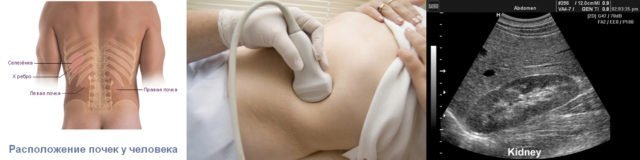
- Ultrasound of the kidneys;
- Radiography.
Sometimes computed tomography or MRI is performed additionally.
WHAT IS DANGEROUS FOR RIGHT KIDNEY NEPHROPTOSIS?
Nephroptosis on the right leads to a disruption of the normal outflow of urine from the kidney, which leads to a violation of its blood supply, due to an increase in intrarenal pressure. Nevertheless, for a sufficiently long time, this disease may be asymptomatic. This is due to the developed compensatory capabilities of the kidney. But not everything is as good as it might seem to a person at first glance.
During the period of imaginary well-being, irreversible processes occur in the renal parenchyma, which are associated with the occurrence of its hydronephrotic transformation.
Another rather serious complication of nephroptosis is pyelonephritis. It develops as a result of a violation of the normal outflow of urine from the structures of the kidney (urinary stasis). Thus, gradually, ideal conditions for the development of infection are created inside this organ. As a result, the patient has the following symptoms:
- Recurrent fever;
- Increased fatigue;
- Headaches.

Sometimes pyelonephritis against the background of nephroptosis of the right kidney is accompanied by renal colic. In such a situation, there is a pronounced pain syndrome, which cannot be dealt with on its own - urgent medical attention is needed.
It is not uncommon for the kidney to prolapse - aseptic inflammation of the perirenal tissue.
This pathology ultimately leads to an adhesion process between adipose tissue, the kidney capsule and nearby organs. Over time, this becomes the reason for limiting the mobility of the kidney and fixing it in an anatomically incorrect position - "fixed nephroptosis".
In addition to the above reasons, excessive kidney mobility can provoke the development of:
- Urolithiasis;
- Arterial hypertension;
- Spontaneous miscarriages.
Healing methods
In the treatment of nephroptosis, both conservative methods of therapy and surgical intervention are used. So, in the early stages, when the symptoms of nephroptosis of the right kidney practically do not make themselves felt, conservative methods are used. And at the later stages of the development of the disease, when a typical clinic is observed and the risk of developing all kinds of complications significantly increases, surgical methods of solving this problem are used.
Conservative therapy
This type of therapy, first of all, should include orthopedic treatment, or rather, the use of a special bandage. When the kidneys are lowered, they wear it in the morning, before getting out of bed.

Important! Wearing an orthopedic bandage should be on exhalation, as otherwise it will be completely useless.
It is recommended to remove the bandage only in the evening or even before going to bed. Today there is a huge selection of orthopedic belts, corsets and bandages. However, before purchasing one of the options, you should consult with a specialist in order to avoid tragic consequences.
After all, there are a number of contraindications for their use, for example, "fixed nephroptosis".
In addition, conservative methods of treatment include:
- Remedial gymnastics;
- Abdominal massage;
- Spa treatment.
Physiotherapy is an extremely effective method of combating the development of nephroptosis (both right-sided and left-sided). It aims to:
- Restriction of kidney mobility;
- Restoration of normal intra-abdominal pressure;
- Strengthening the abdominal and back muscles.
Surgery
In cases where conservative methods do not give the desired effect, doctors are forced to resort to surgical intervention. The goal of the surgery is long-term fixation of the kidney (or nephropexy). It is performed exclusively by a urological surgeon. During the operation, the kidney is anchored in the renal bed, located at the level of the lumbar region (the normal anatomical location of this organ).
Today, almost everywhere, this procedure is performed laparoscopically, i.e. through several punctures in the abdominal cavity using a special camera and instruments. Such an operation has a number of advantages over the traditional one:
- Rehabilitation of patients is easier;
- The risk of complications is minimized;
- There is practically no blood loss;
- The method is less traumatic.

Remember! Do not self-medicate for nephroptosis. After all, this is not only extremely ineffective, but can also lead to rather sad consequences. See your doctor and follow his instructions - this is the only way to cope with this unpleasant disease.
lechim-pochki.ru/nefroptoz-pravoy-pochki-chto-byi-eto-znachilo
Causes of nephroptosis
There is a whole complex of reasons leading to nephroptosis of the right kidney. Classical medicine identifies the main etiological factors:
- anthropometric discrepancy, expressed by a decrease in body weight (dystrophy of the fatty capsule of the kidney occurs);
- injuries of various origins, which can lead to damage to the ligaments that hold the kidney in a locally limited space;
- systematic lifting of weights, jerks, sharp jerks (professional chronic trauma);
- change in the abdominal wall after labor.
Depending on the described etiological aspects, the severity of this disease is determined. The most serious changes in the dislocation of the kidney occur due to the traumatic component, in which there is a violation of the fixing apparatus of the kidney. As a rule, a violation of the duodenal ligament or hepatocolic fixation leads to significant displacements of the right kidney.
Right-sided nephroptosis can also occur due to stretching of the ligaments, due to the strongest stress during childbirth.
Responsible for fixing the kidneys in humans are:
- peritoneal ligaments (differentiated in the right and left kidney);
- retrenal and prerenal membrane;
- fatty membrane;
- mesentery of the colon;
- renal receptacles.
Based on these reasons, you need to understand that nephroptosis can manifest itself, both for individual reasons, and for their combination. This moment is taken into account when diagnosing.
There are differences in the occurrence of nephroptosis in women and men. Due to the anthropometric structural features of the female fixation apparatus, nephroptosis is diagnosed in them more often than in men.
Stages of the disease
The course of nephroptosis is characterized by three stages:
- Stage 1 characterized by the lowering of the lower pole of the kidney by more than 1.5 lumbar vertebrae, while part of the kidney on inspiration comes out of the hypochondrium and can be determined by palpation;
- Stage 2 justified by lowering the pole of the kidney at a distance equal to 2-2.5 vertebrae, in the vertical position of the body, the kidney completely leaves the hypochondrium and is freely determined, in a horizontal position, its return is observed, the patient during this stage begins to experience pain of an average intensity;
- Stage 3 characterized by a displacement of the kidney by more than 3 lumbar vertebrae, it completely leaves the hypochondrium, regardless of the location of the body, it is possible to lower it into the small pelvis, nephroptosis of this stage is characterized by a strong pain syndrome.
The staging of the disease can proceed sequentially, but the definition of the onset of the disease from late stages, especially with a traumatic component, is not excluded.
What comes first
Right-sided nephroptosis has classic manifestations, in the overwhelming majority of cases there are the following symptoms:
- lumbar pain with a focus of growth in the abdomen;
- the occurrence of pain symptoms when changing the position of the body from vertical to horizontal direction;
- irridation of pain in the groin area;
- reduction of pain when the body is on the right side, on the left - the pain increases.

The listed signs are characteristic of the onset and course of the second stage of the disease. In the first stage, many symptoms are either blurred or completely absent. It is reliably known that at the initial stage there is often an uncomfortable feeling and the patient lying on the side opposite to the diseased kidney.
At the same time, with a sharp transfer of the body position from sitting to lying down, short-term and weak pain also appears.
If we consider the symptoms on the part of the patient himself, then it is recommended that in case of systemic manifestations, even minor pains, contact a specialist for timely action.
Definition of ailment
Diagnostic methods used to identify a true disease include the following areas:
- visual observation and palpation manipulations;
- laboratory examination of blood and urine;
- X-ray examination;
- decoding of ultrasound.
 The most significant method for 100% diagnosis of nephroptosis is X-ray examination. In all cases when there is no exact certainty about the diagnosis or differentiation of the disease, the method of excretory urography is used, which makes it possible to determine the displacement of the kidney relative to the vertebrae. Radiography is performed in a horizontal and vertical position of the body, then visible displacements are analyzed.
The informative value of ultrasound research is in second place. This manipulation is relatively simple, at the same time, it is guaranteed to exclude other diseases that give similar symptoms.
In some cases, renal angiography is prescribed, with its help, it is possible to establish venous stasis in the kidneys, which indicates the truth of the disease.
A visual examination of a patient, especially with an asthenic constitution of the body, is carried out in a vertical and horizontal position. The main purpose of the manipulations is to reveal the mobility of the kidney using palpation. A clear history of the patient allows for a better examination, one by one, excluding the causes of the appearance of similar symptoms.
It is customary to supplement the picture of any examination with suspected nephroptosis with a general analysis of blood and urine. If, as a result of observation, there are true suspicions of prolapse of the kidney, then in this case, a control ultrasound or radiography is prescribed.
lechimsya-legko.ru/nefroptoz-pravoj-pochki.html
Danger to the body
Each kidney contains large blood vessels - the renal artery and vein, and the ureters depart from the kidney.
- Vessels are almost wide and short in structure.
- When the kidney is displaced from its physiological space, the vessels of the organ have to narrow and stretch.
- As a result, the normal blood circulation in the kidney is sharply disrupted.
- In addition, the displacement of the kidney leads to bending of the ureter, which threatens with acute urinary retention in the organ.
- All these deviations from the norm create the prerequisites for the development of a serious inflammatory process of the kidney - pyelonephritis.
Nephroptosis during pregnancy
Very often, this pathology occurs in women during pregnancy. If a woman had nephroptosis even before the onset of pregnancy, but did not manifest itself clinically, then after childbirth the patient's condition only aggravated. Even if there was no nephroptosis before, then after childbirth this condition can develop against the background of stretching of the ligamentous apparatus of the kidneys and weakening of the abdominal muscles.
To avoid this disease during pregnancy and after childbirth, the expectant mother should daily perform simple physical exercises aimed at strengthening the muscles of the pelvic organs and the anterior abdominal wall. Of course, before starting classes, you must obtain permission from the district gynecologist conducting the pregnancy for this. If a woman has a threat of miscarriage, then all physical activity is excluded.

- In addition, it is important to understand that the prolapse of the kidney itself does not pose a threat to life. growing fetus, but the consequences of organ displacement can negatively affect the course of pregnancy in the whole.
- That is why all pregnant women regularly undergo a comprehensive examination, which necessarily includes an ultrasound of the pelvic organs and retroperitoneal space, urine and blood tests.
- This approach allows you to identify any deviations from the norm at the initial stage of their development, and timely started treatment eliminates the risk of complications that pose a threat to the fetus.
- The progression of pathology from the urinary system is an indication for urgent hospitalization pregnant, since with the development of renal failure, natural bearing is impossible and delivery.
Nephroptosis in children
Nephroptosis, or excessive mobility of the kidney, in children is associated with the weakness of the ligamentous apparatus of the kidney. Most often, nephroptosis in children is accompanied by curvature of the spine. The prolapse of the kidney is 4.7% in children. Girls suffer from this pathology in 8 p. more often boys.
- Nephroptosis in children, as well as in adults, leads to a violation of hemodynamics, urodynamics and contributes to the development of pyelonephritis, increased blood pressure, urolithiasis and hydronephrosis.
- Clinical manifestations of nephroptosis in children can proceed according to 3 options: asymptomatic, clinically manifest and complicated nephroptosis.
- The asymptomatic variant is observed in 13% of cases, nephroptosis is detected by chance, during examination for other diseases.
- The clinically manifest variant occurs in 43% of cases.
Its manifestations are: abdominal pain syndrome (abdominal pain), urinary disorders, urinary syndrome, increased blood pressure, neurological manifestations and physical lag of the child development.
- The pain in the abdomen increases with exertion, decreases in the supine position. In this case, nausea, loosening of the stool may be noted. Urinary syndrome is manifested by the appearance of erythrocytes, leukocytes, protein and bacteria in the urine. Dysuric syndrome is manifested by urinary incontinence (at night and during the day).
Prevention of nephroptosis in childhood consists in the correct physical education of the child, exclusion unbearable loads (including psychoemotional), ensuring rational nutrition and preventing children injury.
Complications of kidney displacement
In the absence of timely medical care, the progression of nephroptosis can lead to the development of serious complications:
- Pyelonephritis - develops against the background of stagnation in the kidneys, creating a favorable environment for reproduction of pathogenic microflora, which in turn cause an inflammatory process in renal pelvic system.
- Hydronephrosis - develops as a result of a violation of the outflow of urine due to the kink of the ureter or its torsion.
- Secondary arterial hypertension - develops as a result of impaired physiological circulation in the kidney. With the development of this complication, hypertension is difficult to correct with medications.
Yoga classes for lowering the kidney
In the course of the conducted studies, it was found that yoga classes have a beneficial effect on the muscles of the abdominal and lumbar region. Many exercises are able to strengthen the ligamentous apparatus of the kidney, thereby returning it to its place. Of course, this is relevant at the initial stages of the development of pathology.

- Yoga for nephroptosis can help strengthen the abdominal and back muscles, in addition, many asanas are beneficial influencing the state of the ligamentous apparatus in the initial stages, with regular execution, the kidney can return to a place.
- In patients with identified arterial hypertension, drug correction of blood pressure is indicated with special antihypertensive drugs, which are selected individually.
- With ineffective conservative treatment and the progression of the process, they resort to surgical methods of kidney fixation - nephropexy (fixation of a mobile kidney in the bed to adjacent anatomical formations). During the operation, the urological surgeon fixes the kidney in its bed in the lumbar region and strengthens its ligaments.
- Today, laparoscopic techniques are effectively used for nephropexy. Such operations are more easily tolerated by patients and shorten the duration of the postoperative recovery of patients. The operation is carried out through punctures in the abdominal cavity, while the surgeon uses special manipulators and a laparoscopic stand equipped with a monitor.
- The "old" abdominal surgery is quite traumatic, for access to the kidney, an incision of the lumbar tissue up to 20 cm in length is performed. The postoperative period is long, requires adherence to bed rest for 2 weeks, so that the kidney is fixed in its bed.
How to prevent illness
To prevent the development of nephroptosis, you need to be careful about your health. This is especially true for pregnant women who are at risk. Timely registration for pregnancy, regular examinations with a gynecologist will help identify the disease at the initial stage of development, which increases the chances of a successful treatment outcome and prevents the development complications.
If a person is injured in the abdomen or lumbar region, then it is imperative to see a doctor!
Do they take in the army with nephroptosis?
Examination of citizens when registering for military service and conscription (including under a contract) is carried out in accordance with the document "Schedule of diseases".
- Nephroptosis in the Schedule of Diseases is classified under Article 72. The suitability category is determined depending on the degree of nephroptosis.
- Conscripts with nephroptosis of the 1st degree are classified according to article 72, point "G" - fit for military service.
- Testified with nephroptosis II Art. and with secondary pyelonephritis are classified according to article 72, point "B" and are exempt from military service, they are enrolled in the reserve.
- Examination for kidney disease is carried out on the basis of inpatient examination and treatment.
Before use, you must consult a specialist.
tiensmed.ru/news/nefroptoz-ab1.html#nov8
Causes of nephroptosis
Nephroptosis is an acquired disease. Its development provokes a pathological change in the apparatus that holds the kidney. This refers to the peritoneal ligaments, own fascial and fatty structures, the renal bed. Organ mobility can also be caused by a decrease in its fat capsule, an abnormal position of the renal pedicle joints.

Other common causes of nephroptosis include:
- a sharp loss of body weight;
- doing hard physical work;
- low muscle tone of the abdominal wall;
- engaging in power sports;
- lumbar spine injury.
Right-sided, left-sided and bilateral nephroptosis can be combined with congenital skeletal anomalies:
- underdevelopment of the ribs;
- violation of the position of the lumbar spine,
- lack of ribs.
In adolescents, kidney prolapse occurs due to a rapid change in body proportions during a period of rapid growth.
Symptoms of nephroptosis
With nephroptosis, the kidney is palpated during inhalation through the anterior abdominal wall, during exhalation through the hypochondrium. In a standing position, the patient feels pulling one-sided lower back pain, heaviness and discomfort in the stomach, which pass in the supine position.
With moderate nephroptosis of the 2nd degree, the entire kidney in an upright position drops below the level of the hypochondrium, but it can be painlessly adjusted by hand. The pain in the lower back and abdomen is severe, increases with physical exertion and disappears as soon as the organ occupies its anatomical bed.
In a severe form of the disease, the kidney is always below the hypochondrium line, regardless of the position of the body in space. The lumbar pain is very severe and does not go away while lying down. You may experience:
- renal colic (caused by kinking of the ureter / renal vessels, impaired passage of urine, stretching of the nerves);
- disorders of the gastrointestinal tract (nausea, loss of appetite, constipation, diarrhea);
- renovascular arterial hypertension (appears as a result of bending and tension of the vessels supplying the kidney);
- neurasthenic symptoms (increased fatigue, headache, insomnia, tachycardia caused by persistent pelvic pain).
In the case of bilateral nephroptosis, signs of renal failure become very pronounced for a minimum period of time - fatigue, swelling of the extremities, headache, ascites.
If you find yourself with similar symptoms, see your doctor immediately. It is easier to prevent a disease than to deal with the consequences.
Diagnosis of nephroptosis
Diagnosis of nephroptosis of the left or right kidney is based on:
- inspection data;
- patient complaints;
- the results of instrumental and laboratory diagnostics.
If there is a suspicion of a prolapse of the kidney, all studies are carried out in the patient's standing and lying position.
- Polypositional palpation of the abdomen makes it possible to assess the displacement and mobility of the kidney.
- Monitoring and measuring blood pressure shows an increase in the indicator by 15-30 mm Hg. Art. when changing the position of the body from horizontal to vertical.
- Urine analysis for kidney nephroptosis shows leukocyturia, erythrocyturia, bacteriuria, proteinuria.
- Ultrasound of the kidneys, carried out in a standing and lying position, allows you to study the location of the kidneys, to exclude the presence of inflamed tissues, calculi.
- Ultrasound diagnostics of renal vessels is necessary to assess blood flow parameters, visualize the vascular bed of an organ, and determine the degree of hemodynamic disturbance.
- Renal venography and angiography are required to examine venous blood flow and renal artery.
- Dynamic radioisotope nephroscintigraphy is performed to determine the violation of the passage of urine and the work of the organ as a whole.
- Excretory urography is aimed at nephroptosis to determine the degree of pathological prolapse of the kidney in relation to the vertebrae.

If you need to check if there is any displacement of the organs of the gastrointestinal tract, an X-ray of the stomach, colonoscopy, irrigoscopy, EGDS are additionally performed.
Nephroptosis treatment
- Grade 1 nephroptosis requires conservative therapy. The patient is recommended to wear special orthopedic devices - corsets, belts, bandages. Also, therapeutic exercises are mandatory, aimed at strengthening the muscles of the abdominal and back. If the patient is underweight, he must eat heavily. Physical activity should be limited.
- Nephroptosis of the 2nd and 3rd degree, accompanied by severe pain in the lumbar region, nephrolithiasis, pyelonephritis, hydronephrosis, urodynamics, involves nephropexy - a surgical operation performed to fix the kidney to the adjacent area of the posterior abdominal wall and twelfth rib. After treatment, the patient should be kept in bed for a long time.
Contraindications to surgical treatment of right-sided and left-sided nephroptosis are:
- splanchnoptosis;
- elderly age;
- heavy intercurrent background.
Therapeutic gymnastics for nephroptosis
Exercise therapy helps to improve the patient's well-being with kidney nephroptosis. The safest and most effective exercises include:
- alternately raising straight legs up (starting position - lying on the floor).
- "Bicycle";
- alternately pulling up the legs bent at the knees to the stomach while lying down;
- breathing with the diaphragm lying on the floor. When inhaling, protrude the stomach, and when exhaling, draw in;
- raising straight legs up, followed by raising the knees to the sides while inhaling and criss-crossing on exhalation;
- raising your legs up, lying on your side.
The danger of nephroptosis
With the prolapse of the kidney, the normal outflow of urine from the renal structures is disturbed. This leads to an increase in intrarenal pressure, impaired blood circulation in the organ. As a result, hydronephrotic transformation of the kidney may develop.
Another dangerous complication of nephroptosis is pyelonephritis, which can be acute with severe pain. Torsion of the renal arteries often leads to arterial hypertension, which manifests itself in poorly treatable hypertension.
A wandering kidney is able to provoke the onset of an inflammatory process in the surrounding perirenal tissue, which promotes the development of adhesions between adipose tissue, kidney capsule and other bodies. Cicatricial joints make the kidney poorly mobile and fix it at an even lower level.
In pregnant women, nephroptosis can cause spontaneous miscarriages.
Risk group for nephroptosis
Most often, nephroptosis is diagnosed in persons with systemic weakness of the ligamentous apparatus and connective tissue:
- myopia;
- visceroptosis;
- hypermobility of the joints.
People of certain professions are susceptible to diseases:
- movers (due to carrying weights);
- drivers (due to vibration during driving);
- hairdressers, surgeons (as they spend a lot of time on their feet), etc.
Prevention of nephroptosis
Prevention of nephroptosis includes:
- proper nutrition, reducing the amount of salt consumed;
- Exercise therapy;
- correct posture;
- avoidance of injuries of the lumbar spine;
- strengthening the abdominal muscles;
- refusal from hard physical work.
https://illness.docdoc.ru/nefroptoz
Causes of nephroptosis
The disease can occur due to a sharp weight loss that has occurred in a short period. In some cases, a sharp decrease in weight is associated with an infectious disease.

In addition, an injury to the abdomen or lower back can be the cause of the prolapse of the kidney. The risk of nephroptosis increases if the ligaments holding this important organ are damaged.
Most often there is a prolapse of the right kidney.
Symptoms of nephroptosis
The severity of signs depends on the degree of development of the disease, there are only three of them.
The lower pole of the kidney can only be felt during inhalation. Almost the entire kidney can be felt in an upright position. The kidney completely leaves the hypochondrium, cannot be felt in any of the body positions. It can sink into a small pelvis.
This disease is characterized by the fact that at the initial stages of the disease it does not manifest itself in any way. It can only be detected on examination by a doctor.
Gradually, even at the first stage, the main symptom appears in the form of dull or sharp pain with:
- cough;
- change of position;
- disappearance of pain in the "lying" position.
During the second stage, the person already feels severe pain. On the third, a clear bend of the ureter is formed, on which the "sagging" kidney begins to press. At this stage, renal colic is noted, and the pain becomes unbearable - so much so that it causes nausea and vomiting.
Nephroptosis is characterized by the occurrence of:
- pain;
- increase or decrease in blood pressure;
- weakness;
- loss of appetite;
- weight loss;
- blood in the urine.
Lower back pain increases, as we said, in a standing position and even with little physical exertion. Because of the kidney, other internal organs can also go down, and disruptions in the functioning of the gastrointestinal tract can manifest. If you do not take action in time and do not have an anesthetic on hand, pain attacks can even lead to mental disorders - a person becomes nervous and irritable. An important sign of nephroptosis is the appearance of blood in the urine in the afternoon, usually after severe physical exertion.
Diagnosis of prolapse of the kidney
To diagnose prolapse of the kidney, first of all, the palpation method is used, with the help of which it is possible to accurately determine its stage. In addition, modern medicine uses:
- x-ray;
- ultrasonic;
- MTP (magnetic resonance imaging).

For an accurate result, ultrasound is performed in two positions - standing and sitting. It is also desirable to exclude the congenital low position of the kidney (dystopia), which is quite easy to mistake for nephroptosis.
What threatens the prolapse of the kidney?
Nephroptosis is not a fatal disease in our time. But you do not need to relax, and it should be treated without fail. If this is not done, then there is a risk of serious complications. Which ones?
When the kidney is lowered in a person, the normal outflow of urine is disrupted, and this, in turn, causes an increase in intrarenal pressure. In this case, even without the manifestation of symptoms of nephroptosis, adverse changes in the tissues of the kidney (renal parenchyma) may occur.
A prolapse of the kidney can also cause inflammation of the kidney (pyelonephritis), which prevents urine from flowing out of the kidney. This is a very dangerous disease that affects the functioning of the whole body and requires urgent treatment.
Also, nephroptosis can cause an increase in blood pressure, as a result, the likelihood of strokes increases. Pathological mobility of the kidney also becomes the cause of the formation of stones in it and can cause miscarriages in pregnant women.
https://www.obozrevatel.com/health/urology/opuschenie-pochki-smertelnyij-nedug-ili-legkoe-nedomoganie.htm
Description
Normally, the right kidney is located slightly below the left.
The kidneys hold in place the ligamentous apparatus of the kidneys, the fatty capsule of the kidney (fascial-fatty formation surrounding the kidney, performs a supporting and protective function) and intra-abdominal pressure.

In women, nephroptosis is recorded more often than in men, and the right kidney is more likely to descend. This is due to the fact that women have more flexible ligaments, less developed muscles of the abdominal wall, after childbirth, the abdominal wall stretches and intra-abdominal pressure decreases.
In general, nephroptosis develops when:
- a sharp decrease in weight when the fat capsule decreases;
- damage to the ligamentous apparatus of the kidney with injuries of the lower back, abdomen, falling from a height;
- pregnancy;
- frequent weight lifting, jumping;
- rapid growth in children;
- hereditary predisposition, for example, with increased extensibility of connective tissue.
There are three stages of nephroptosis.
- Stage I. A lowered kidney can be felt through the anterior abdominal wall while inhaling. On exhalation, the kidney goes into the hypochondrium. At this stage, aching pain in the lower back is characteristic when standing.
- Stage II. At this stage, in an upright position, the kidney is palpated both on inhalation and exhalation. In the supine position, it returns to the hypochondrium or it is possible to set it there by hand. At this stage, the pain in the lower back becomes stronger, worse with physical exertion, and subside when the kidney is repositioned.
- III degree. At this stage, the kidney is outside the hypochondrium in any position of the body and can even shift into the small pelvis. This stage is characterized by constant abdominal pain radiating to the lower back. After exercise, blood may appear in the urine.
Nephroptosis was first described at the beginning of the 20th century by the American scientist Hampton Young. Then he defined the disease as a displacement of the kidney downward by more than 5 cm when moving the patient from a prone position to a sitting position. At that time, a prolapse of the kidney was thought to cause malfunctioning of various organs, including the intestines, stomach and pancreas. In reality, nephroptosis is dangerous because when the kidney is displaced, it rotates around its axis, as a result of which the blood vessels are bent and stretched. Because of this, their diameter decreases and blood flow is disturbed.
With nephroptosis, complications are possible.
Stones in the kidneys. Due to the kink of the ureter, the outflow of urine is impaired. This promotes the formation of stones.
Pyelonephritis. Kinking of the ureter, impaired urine outflow, and impaired circulation in the parenchyma (functional tissue) of the kidney, due to kinking of blood vessels, contribute to the development of infectious processes in the kidney.
Hydronephrosis. Prolonged violation of the outflow of urine contributes to the expansion of the renal pelvis. As a result, hydronephrosis develops (a kidney disease in which its cavity increases due to a violation of the outflow of urine).

Arterial hypertension. Deformation of the blood vessels of the kidney disrupts not only the filtration process of urine, but also the functioning of the kidney as a whole. In response, the kidney produces biologically active substances that lead to arterial hypertension.
Diagnostics
To diagnose nephroptosis, a clinical urinalysis is taken, an ultrasound scan is done in the supine and standing positions. But the most accurate research method is excretory urography - a contrast X-ray examination, which allows you to accurately determine the position of the lowered kidney and clarify the state of its vessels.
When diagnosing, it is necessary to distinguish between nephroptosis and dystopia (congenital low location) of the kidney. To determine this, a color Doppler ultrasound examination is performed, which allows you to determine the level of the renal artery branching from the aorta.
Treatment
Treatment of nephroptosis can be conservative and operative. Conservative treatment is carried out if there are no complications. This is:
- a bandage, which is put on in the morning, before the patient gets out of bed, in the supine position, while exhaling;
- enhanced nutrition to increase adipose tissue if the patient is of low weight;
- a set of special exercises to strengthen the muscles of the anterior abdominal wall.

Surgical treatment is chosen if conservative therapy does not help or if the patient has:
- prolonged and intense pain;
- chronic pyelonephritis;
- decreased function of the lowered kidney;
- blood in the urine;
- arterial hypertension;
- stones in the kidneys;
- hydronephrosis.
In case of pyelonephritis, antibiotic therapy is given before the operation to prevent the spread of the infection. Surgery to fix the kidney at a normal level is called neuropexy. After the operation, the patient is shown bed rest for some time, and his legs should be 20 cm above the head.
Lifestyle
With nephroptosis, exercise therapy is often prescribed. This is a set of simple exercises performed in the supine position.
- On inhalation, the legs slowly rise, on exhalation, they slowly lower. Repeat 8-10 times.
- A small roller should be placed under the lower back. On inhalation, the leg slowly bends at the knee, on exhalation, it straightens. Then change your leg. Repeat the exercise with each leg 10-15 times.
- Do not remove roller. While inhaling, raise one leg, while exhaling, lower it to its original position.
Repeat the exercise with the other leg. Do the exercise 10-15 times with each leg. Remove the roller.
- Inflate your stomach while inhaling. Hold your breath for 2-3 seconds. Draw in your stomach as you exhale. Hold your breath for 2-3 seconds. Repeat the exercise 8-10 times.
- Raise both legs. On inhalation, dilute them, on exhalation - bring them together and lower them. Repeat 8-10 times.
Prophylaxis
Prevention of nephroptosis - swimming, yoga, athletics, that is, those sports that strengthen the muscles of the back and abdominal muscles. But the sport associated with lifting weights, sharp jumps, falling on the back is undesirable.
Do not get carried away with diets. It is better for women to wear a prenatal brace during pregnancy.
http://doctorpiter.ru/diseases/475/